Check out what is new in Poultry Industry
Technical and commercial information on Poultry Industry. Health, nutrition, management, genetics and reproduction in poultry industry.


Introduction The influence of seminal plasma on sperm storage may vary among species. Its removal is recommended in the majority of semen cryopreservation protocols of species such as caprine in order to ensure maximal sperm viability [1], but it isn’t entirely recommended in other mammals (e.g. ovine; [2]). Mammalian seminal plasma may contain factors that influence resistance of sperm to cold-shock damage and may prevent cryoinjury [3–5]. Conversely, detrimental...
Comments : 0
Recommendations: 0


INTRODUCTION Poultry and poultry products represent a popular choice of protein in the United States, with increasingly high consumption rates over the past years (Zhang et al., 2018). Poultry meat has surpassed both pork and beef in per capita consumption in the United States (USDA Economic Research Service, 2020). With this increased consumption of poultry and poultry products, there is a significant concern for contamination, thus impacting public health. Salmonella and...
Comments : 0
Recommendations: 0
.jpg&w=3840&q=75)

Best performance for your business - MetAMINO® | Evonik Animal Nutrition
Suggested link


INTRODUCTION Amino acids (AA) and crude protein (CP) intake during the rearing phase in broiler breeders have demonstrated to affect body composition and reproductive performance in the laying period (Joseph et al., 2000; Ciacciariello and Tyler, 2013; van Emous et al., 2013, 2015a, 2015b). Modifications of these nutrients added up to the adjustment of feed allocation may alter BW (van Emous et al., 2013; Soumeh et al., 2018), organ development (Lesuisse et al., 2017), egg...
Comments : 1
Recommendations: 0

The majority of pig and poultry diets are composed of about 70% maize or wheat, 20% soybean meal or other similar protein sources, and 10% micro-ingredients. Although this is a simplification, it illustrates the point that the majority of pork, poultry, and eggs are produced using a limited range of ingredients. In addition, it is important to note that feed cost is about 60-70% of overall production cost. And, as feedstuff prices continue to be prohibitively high, with detrimental...
Comments : 1
Recommendations: 3

Featured comment:

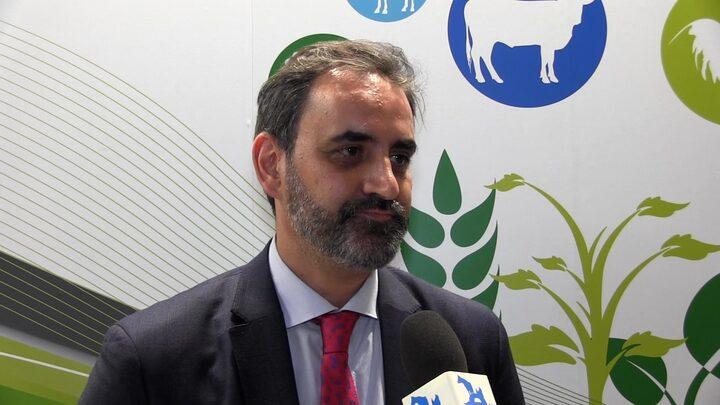
Dear Luis, in the last few years, we had a close look at the quality of different protein-rich feed ingredients and we developed NIR calibrations which can now be used locally to estimate the quality. The reactive Lys to Lys ratio is a good indicator for over-processing and it works in Soybean products, but also in Canola Meal and DDGS. In Canola it might be worth to check in addition the levels of Glucosinolates and Erucic acid. It should be low, but it's better to check it. All...
Comments : 18
Recommendations: 4
Introduction Conventional systems (battery cages) lead commercial egg production worldwide due to their reportedly efficient disease prevention processes (WHILEY; ROSS, 2015). However, shifts in egg consumption have drawn attention to potential animal welfare issues and generated demand for alternative laying systems with improved hen wellbeing. In this way, free-range systems could be an ideal choice for egg production and hen welfare (JONES at al., 2012); however, despite...
Comments : 0
Recommendations: 0


FIGAP 2026: The Scientific And Technological Exhibition Of The Livestock Industry
Suggested link
I. INTRODUCTION Phosphorus (P) is a critical nutrient for growth and structural integrity of growing animals. Nutritionists generally tend to use a significant margin of safety while formulating commercial diets to avoid any deficiency symptoms. A large variation appears to exist in P requirement estimates/recommendations for broiler chickens across different sources; e.g. summarizing some selected references, Table 1 shows the highest vs. lowest estimates to differ by...
Comments : 0
Recommendations: 0
Evonik has launched a digital access to EGGcellence . AMINOHen® is an egg industry nutrition software developed by Evonik to achieve Sustainable egg production and easily individualized a feeding program for layers.
...
Comments : 0
Recommendations: 3
.jpg&w=3840&q=75)



INTRODUCTION Methionine (Met) is often considered to be the first limiting amino acid in modern broiler diets. Synthetic Met has been commercially available for animal feed since the 1950s and is routinely included in modern poultry diets. Whilst studies on Met requirements, based on growth performance parameters are not novel, understanding the impact of dietary Met supplementations on apparent digestibility and plasma concentrations of amino acid is important in conventional...
Comments : 0
Recommendations: 2
I. INTRODUCTION Optimum BW is an important consideration in achieving early maturity, high productivity and uniformity in laying hens (Lacin et al., 2009). Parkinson et al. (2015) noted that it was common for Australian flocks to have an average body weight (BW) 100-300 grams above the breed standard weight (BSW). This higher BW is indicative of bird obesity and is associated with the production of excessively large eggs with consequently lower eggshell quality and...
Comments : 0
Recommendations: 0



I. INTRODUCTION True sustainability was defined by the World Commission on Environment and Development (Brundtland Commission, 1987) as “the ability to meet the needs of the present without compromising the ability of future generations to meet their own needs”. Sustainability is a concept with multiple facets including, environmental (which includes both the demand for resources and environmental pollution), ethical (welfare and social conscience), economic and...
Comments : 0
Recommendations: 1


I. INTRODUCTION Xylans, together with β-glucans and cellulose constitute non-starch polysaccharides (NSP) that cannot be fully degraded by monogastric animals (Cowieson at al., 2008). NSPs have an antinutritive effect by increasing the viscosity of the intestinal digesta (Choct and Annison, 1992; Craig et al., 2020). This increase in digesta viscosity causes an impairment of nutrient bioavailability and a decrease in metabolizable energy, lowering the overall performance of...
Comments : 0
Recommendations: 1



I. INTRODUCTION With the recognition that pelleting can enhance the feeding value of barley in poultry diets, mostly through the break-down of cell wall matrix resulting a greater accessibility of encapsulated nutrients to digestive enzymes (Abdollahi and Ravindran, 2019), barley has been successfully used in pelleted broiler diets (Perera et al., 2019b; Perera et al., 2020). While the optimum inclusion level (Perera et al., 2019b) and particle size (Perera et al., 2020)...
Comments : 0
Recommendations: 1

I. INTRODUCTION The chicken meat industry has made tremendous production gains through advanced utilisation of genetic selection and nutritional understanding to ensure that chicken meat remains a low cost, desirable product that consumers continuously demand (Zuidhof et al., 2015). The industry now requires new approaches to further advance efficiency and production, with developmental programming at the forefront of industry development (Hynd et al., 2016). Developmental...
Comments : 0
Recommendations: 1
.jpg&w=3840&q=75)

I. INTRODUCTION There is widespread interest in the successful development of reduced-crude protein (CP) diets, focusing on alternative dietary strategies to reduce CP levels whilst maintaining acceptable growth performance (Greenhalgh et al., 2020). Reduced CP diets have the potential to provide advantages environmentally by decreasing outputs of nitrogen and ammonia, improving bird welfare by enhancing litter quality and lowering incidences of foot-pad dermatitis and improving...
Comments : 0
Recommendations: 0

I. INTRODUCTION The current system of feeding laying hens with a fully mixed diet, that attempts to meet all the nutrient requirements of the birds, only really developed with the introduction of cage housing facilities after the Second World War. Research on confining laying hens to cages ramped up in the first half of the 20th Century in California but it was not until the late 1940s that the first commercial cage farms started to appear (American Egg Board, 2020). Nutrition...
Comments : 0
Recommendations: 1


From Feed Formulation to Farm Reality: Closing the Nutrient Gap
Suggested link

Digitize is one of the current “buzzwords” in the animal production industry. But, as with other such terms, it can mean different things to different people. “Digitize” is defined as: “to change something such as a document to a digital form (a form that can be stored and read by computers)” – Cambridge Dictionary Merely making records available in a form that can be accessed via a computer is not enough. What we really need is to...
Comments : 0
Recommendations: 4

About 50-70% of all antibacterial agents used in broiler production are applied to reduce bacterial intestinal infections (bacterial enteritis). Properly conducted prophylaxis and appropriate follow-up can be effective methods of reducing the amount of antibiotics that are used in poultry production. Impaired feed digestion and nutrient absorption lead to the development of indigestion and diarrhoea in poultry. These diseases, apart from subclinical coccidiosis, have the...
Comments : 0
Recommendations: 3



Following the success of the Research Topic “ Alternatives to Antimicrobial Growth Promoters and Their Impact in Gut Microbiota, Health, and Disease: Volume II ,” we received an invitation from Frontiers to work on Volume II. This second volume includes 31 scientific articles, in the text of individual chapters in this Frontiers Research Topic. The editors are grateful to all 197 authors that contributed and participated in the achievement of Volume II. Homo...
Comments : 0
Recommendations: 2
In the past few years, the concept of “gut health” has established itself as a norm in the scientific literature and animal production. Although the term “gut health” is not specially well-defined, scientists are in agreement that it refers to the capacity of the gastrointestinal tract (GIT) to carry out normal physiological processes and to maintain homeostasis, thereby enabling it to withstand both infectious and non-infectious stressors. It is believed that...
Comments : 0
Recommendations: 1