Explore all the information on
Additives and feedstuffs in dairy cattle nutrition
Welcome to the page about Additives and feedstuffs in dairy cattle nutrition of Engormix; a source of knowledge on Additives and feedstuffs in dairy cattle nutrition.


I. FOUNDATIONS OF ANIMAL NUTRITION Animal nutrition is the part of animal husbandry that studies the use of different foods – or, more specifically, the immediate principles that constitute them – to satisfy the needs of animals useful to man [2]. This is defined as the series of processes through which an organism acquires and assimilates food to promote its growth and replace worn or damaged tissues. The nutrients are fundamental for the animals to carry out their...
Comments : 0
Recommendations: 1


This interview with Stefano Vandoni (Balchem) explores how TMR stability directly influences the effectiveness of rumen-protected nutrients such as amino acids. ...
Comments : 0
Recommendations: 0


Stefano Vandoni (Balchem) highlights how a new precision release lysine technology helps nutritionists and producers manage performance, feed costs, and ration variability. ...
Comments : 0
Recommendations: 0
Stefano Vandoni (Balchem) points out the importance of encapsulation for delivering key nutrients to dairy cows ...
Comments : 0
Recommendations: 0


Stefano Vandoni (Balchem) explains how Balchem leverages decades of expertise in encapsulated technologies to deliver reliable rumen-protected amino acids. He highlights the Aminoshure range and previews the upcoming next-generation lysine source designed for precision and consistent on-farm performance. ...
Comments : 0
Recommendations: 0
Stefano Vandoni, Ruminant Technical Services Manager, Italy and MEA at Balchem, shares insights on how the amino acid market is shifting across Europe, the Middle East, and North Africa ...
Comments : 0
Recommendations: 0


Steam and Conditioning Control: Improving Feed Pelleting Performance
Suggested link


Dr. Claudia Parys, responsible for the ruminant portfolio at Evonik Animal Nutrition, shares the inspiration behind developing a natural, capsaicinoid-rich solution designed to improve nutrient supply and milk production in lactating dairy cows. She also explains how this approach differs from traditional nutritional products and its unique benefits for dairy farming.
...
Comments : 0
Recommendations: 0
Spotlight: “The interaction between lysine and methionine in increasing milk fat and feed efficiency is a perfect example of why balancing for all essential amino acids is so important. In an ideal world, we could provide exactly the required amount of essential amino acids, but this is difficult with only rumen protected forms of lysine and methionine currently available in the market. In this case, if we only balance for lysine or methionine instead of both, we could be missing out...
Comments : 0
Recommendations: 0
.jpg&w=3840&q=75)

The Circular Bioeconomy and its impact on Feed Ingredients
Suggested link
Balchem Animal Nutrition & Health successfully concluded its European seminar series in the UK and Italy, welcoming more than 300 participants from 19 countries across Europe and the Middle East. The events featured top international speakers and...
Comments : 0
Recommendations: 0
New natural product for dairy cows based on red chili pepper
• Jointly developed with French company Heidi Botanicals
• BoruCare® Capsin increases milk yield in stressful phases
With a new, natural product rich in capsaicinoids, polyphenols, and flavonoids,...
Comments : 0
Recommendations: 0
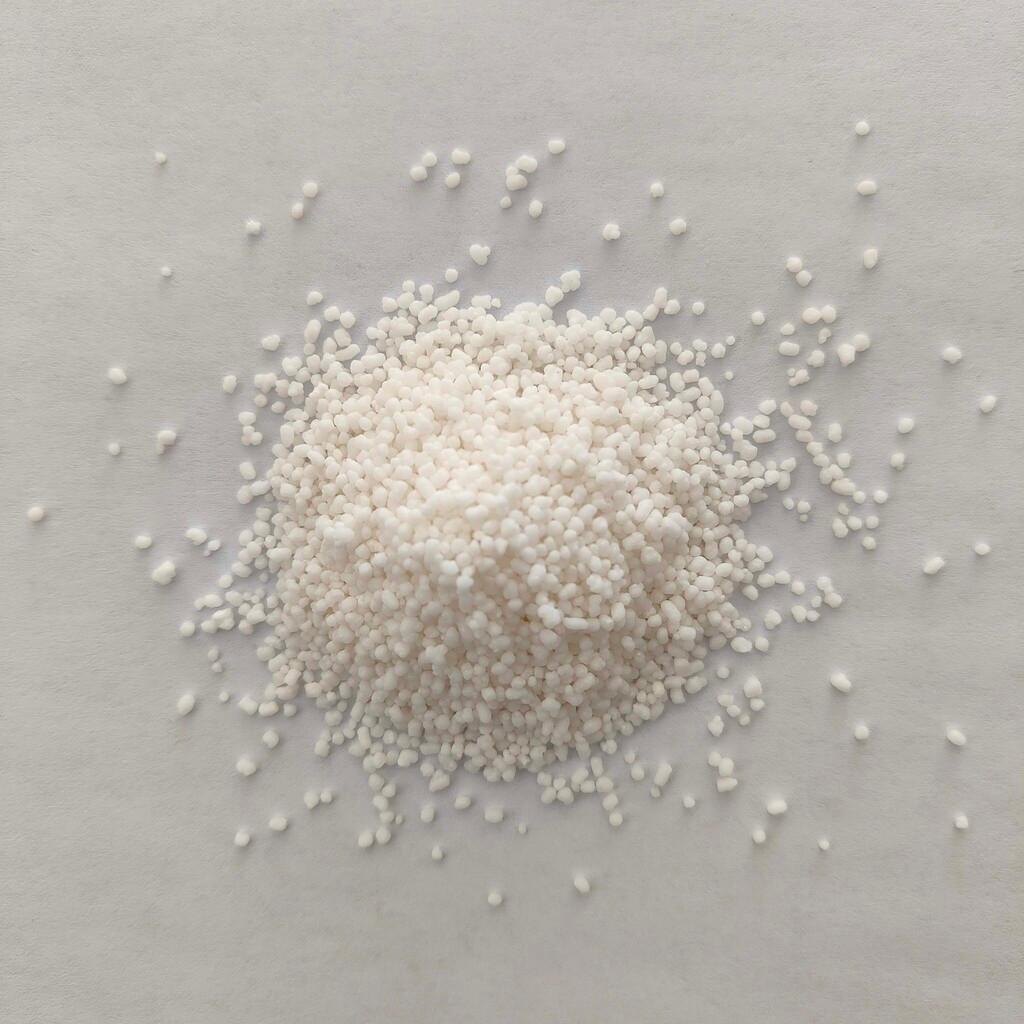
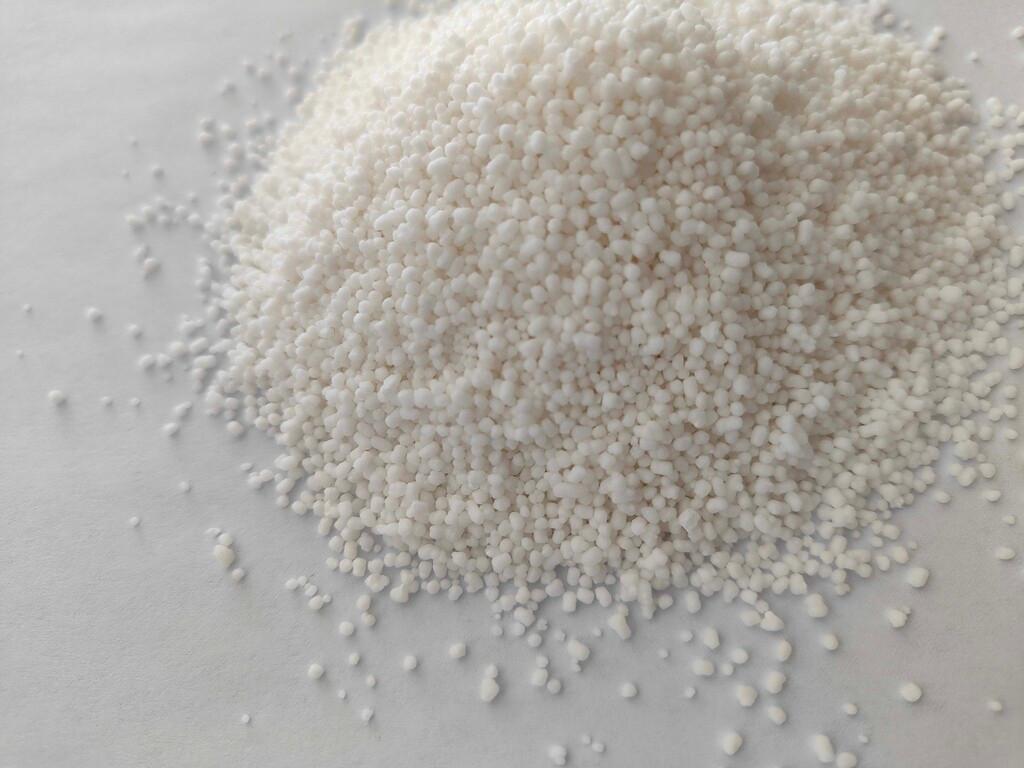
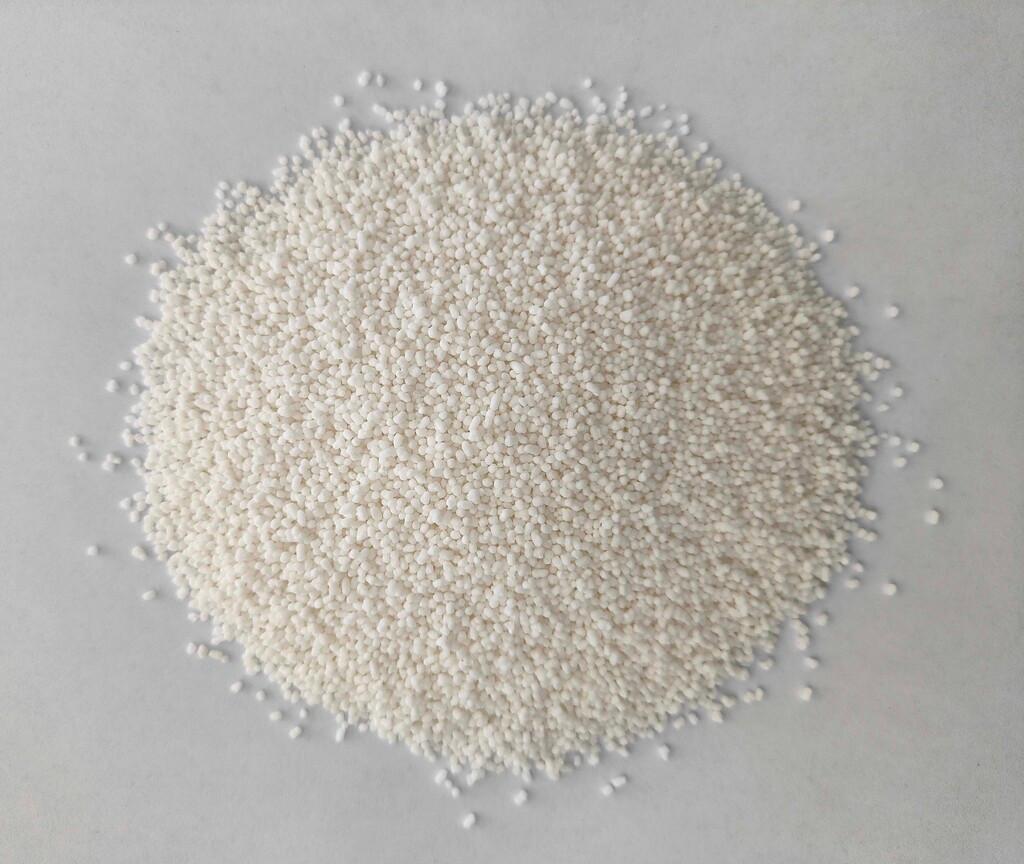
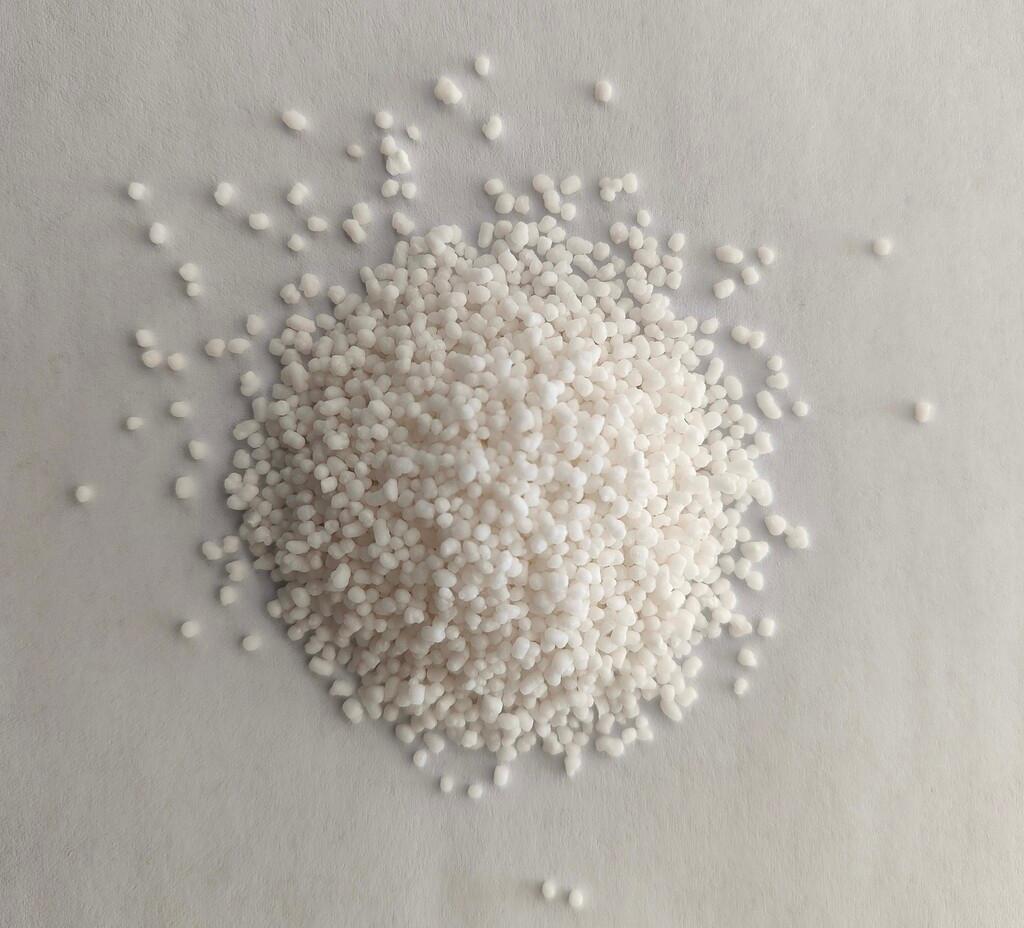
During the perinatal period (within three weeks postpartum), dairy cows are in a state of negative energy balance, with fat tissue breaking down and a large amount of non-esterified fatty acids (NEFA) flowing into the liver. Moderate lipolysis and a moderate release of NEFA are beneficial for cows to successfully cope with negative energy balance, but excessive lipolysis leads to high concentrations of NEFA flowing into the liver beyond the ability of liver cells to oxidize fatty acids for...
Comments : 0
Recommendations: 0

A cow’s biology and genetics set the stage for her milk production potential. Thanks to genomics, the pace of genetic progress has accelerated in recent years, pushing that potential ever higher. But are we feeding cows to match it? Today’s dairy cows can achieve more with better nutrition, yet their ability to physically consume enough nutrients lags behind their rising requirements. ...
Comments : 0
Recommendations: 1


...
Comments : 0
Recommendations: 0


1. Introduction Lactoperoxidase is one of the main protein enzymes in milk, and is found in average concentrations of 30 mg/L, much higher than the biological requirements for an optimal enzymatic reaction [1]. This enzyme belongs to the group of oxidoreductases, and is responsible for the bactericidal and bacteriostatic phase during the first hours after milking [2-4]. Lactoperoxidase enzyme is a milk protein with special biological activities, and particularly those that are...
Comments : 0
Recommendations: 0
Steam and Conditioning Control: Improving Feed Pelleting Performance
Suggested link


Fatty acids (FA) are organic molecules classified by their number of carbon atoms and number and position of double bonds between these carbon atoms (Maulucci et al., 2016). Fatty acids fulfill various functions, and they are important sources of energy. Also, FA are precursors for the biosynthesis of phospholipids, for the generation of numerous ligands for different types of receptors (Buczynski et al., 2009), and are the source of lipid mediators, particularly of molecules associated with...
Comments : 0
Recommendations: 0
Multiple EAA drive milk protein production in dairy cows, including His, Ile, Leu, Lys, Met, and Thr. Therefore, determining bioavailability of rumen-protected AA (RPAA) is essential for optimal EAA supply. We aimed to evaluate bioavailability of lipid-encapsulated prototypes of His, Ile, Lys, Met, and Thr and an isopropyl ester of 2-hydroxy-4- (methylthio) butanoic acid (HMBi). Six Holstein heifers (518 ± 28 kg BW) were allocated in a 6 × 8 Youden square design, with 8 periods...
Comments : 1
Recommendations: 0
The Circular Bioeconomy and its impact on Feed Ingredients
Suggested link
Global food demand is set to double by 2050 in line with UN estimates that the world population will increase from today’s 7.6 billion to reach 9.8 billion over the next 26 years. To keep pace with such growth, agricultural systems throughout the world will need to provide extra food to feed the rising number of people. While this is a daunting prospect, such enormous growth will also provide opportunities and challenge for the dairy sector as we seek to keep providing the global...
Comments : 3
Recommendations: 1

The role of Actisaf® Sc 47 in modern dairy nutrition Improving feed efficiency is one of the most effective strategies to reduce GHG emissions, whilst still increasing milk production. As global demands shift from pursuing maximum output, irrespective of the resources used, to the pursuit of balanced sustainability in which efficient production is measured against environmental concerns and the use of finite resources, so similar changes in approach are...
Comments : 0
Recommendations: 0


Overview The transition period is defined as approximately 21 days before and after calving, during which dry matter intake is restricted while the demand for nutrients increases rapidly and there are intense metabolic and hormonal changes which impact the whole lactation. These changes result in negative nutrient balance with attendant metabolic disorders and greater risk of disease incidences which affect foetal growth together with cow health, fertility, and milk production...
Comments : 0
Recommendations: 0
1. Introduction Both L-glutamate (Glu) and L-glutamine (Gln) are abundant amino acids (AAs) in plant, microbial, and animal proteins [1]. In the whole bodies of sheep and cattle, Glu and Gln are the third and eighth most abundant AAs, respectively. For comparison, the total content of these two AAs, along with other AAs, in feeds [e.g., Bermuda grass, distillers dried grains, and solubles (DDGS)], ruminal microbes, and skeletal muscle proteins is also relatively high, as summarized...
Comments : 1
Recommendations: 0