Under normal circumstances, there is a delicate balance of beneficial and pathogenic bacteria in the gastrointestinal tract (GIT). This is influenced by symbiotic and competitive interactions and relationships. The microbial communities will not only protect the GIT but also enhance productivity in the host. The use of probiotics and prebiotics are two approaches that have been examined and can potentially reduce enteric diseases in poultry and also enhance their productivity. These substances have been proposed to assist in the prevention of carcass contamination and improve the immune response in the chicken. Probiotics have been defined as 'a live microbial feed supplement which beneficially affects the host animal by improving its intestinal balance' (Fuller, 1989). The probiotic mode of action is by 'competitive exclusion', meaning there is competition for attachment sites in the GIT.
Introduction Mycotoxins are toxic secondary metabolites produced by various fungal species that contaminate agricultural commodities, particularly feed ingredients. Consumption of mycotoxin-contaminated feed has been associated with significant health issues in humans and productivity losses in livestock (Abdallah et al., 2015). Favorable environ mental conditions such as humidity, temperatures, and improper storage often promote the growth of multiple fungi species...
1. Introduction Campylobacter jejuni has been considered one of the leading causes of human gastrointestinal diseases worldwide, with outbreaks registered both in industrialized and developing countries [1]. Campylobacter spp. colonizes the avian gut in high concentrations with few or no clinical symptoms. Hence, it has been traditionally considered commensal, although a revision of this bacteria–host interaction has been recently proposed [2]. Upon interaction with avian...
1. Introduction The poultry diet is balanced for metabolizable energy and protein through the incorpo ration of several ingredients and additives. The cost of many cereal grains and legumes used in making poultry feed is increasing due to the growing markets utilizing them as food and fuel [1]. To counter this, alternative feedstuffs such as agricultural co-products, including wheat middlings, soy hulls, oil cakes, distillers dried grains and solubles (DDGS), and sugar beet...
1. Introduction Coccidiosis is a parasitic disease caused by an apicomplexan parasite of the genus Eimeria, which infects different parts of the intestinal tract depending on the species of Eimeria [1]. Eimeria spp. invade intestinal cells and cause physical damage to the intestinal epithelium, producing hemorrhagic diarrhea and disrupting the normal functioning of the intestinal tract [2]. This leads to impaired nutrient absorption and compromised gut health [3]. On the other hand,...
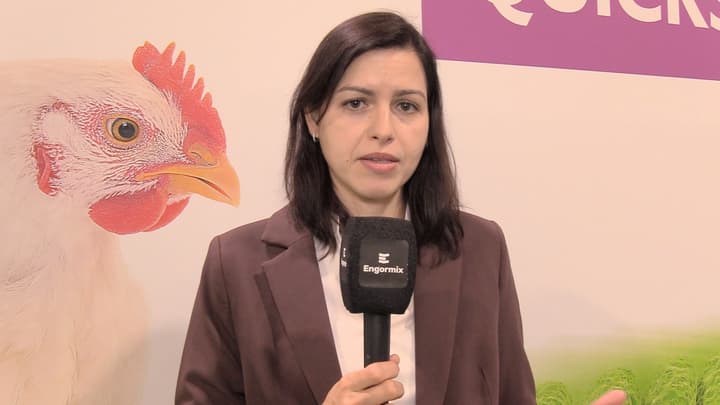
Anita Menconi, Regional Business Director, Specialty Nutrition, Americas, explains the importance of genetic capability and spore germination inside the bird's gastrointestinal tract. ...
Anita Menconi, Regional Business Director, Specialty Nutrition, Americas, highlights the role of processing stability and selecting the right mode of action for effective field application. ...
Xylo-oligosaccharides (XOS) are fermented in the gut by the microbiota leading to the production of short-chain fatty acids (SCFA). A previous study showed that XOS (0.5%) and arabinoxylan-rich fraction (AXRF; 1%) supplementation can improve feed efficiency and gut health in broiler chickens (Castro et al., 2023). This study aimed to evaluate microbiome composition and fermentation patterns following XOS/AXRF supplementation. The hypothesis is that XOS/AXRF supplementation would increase...
1. Introduction The gastrointestinal tract is a dynamic and complex environment that requires a correlation between the gut microbiota and the host for good functionality [1–3]. The composition of the gut microbiota changes throughout the life of the animal or due to various factors like the environment, behavior, and diets [4]. Studies indicate a strong correlation between intestinal diseases and the constitution of the microbiota [1,2]. A healthy gut is an essential...
Food safety doesn't begin at the processing plant—it begins long before chicks enter the house. Controlling Salmonella requires a whole-production-cycle strategy, where every stage contributes to reducing pathogen load and protecting both animal health and consumer confidence. A successful integrated program includes: ✅ Pre-placement Strong biosecurity protocols Thorough cleaning and disinfection Adequate house...
I. INTRODUCTION Necrotic enteritis (NE) is a major intestinal disease in commercial poultry. It affects ~40% of broiler flocks and costs the industry through increased mortalities and reduced growth performances. The causative agent is Clostridium perfringens (CP) a Gram-positive member of the normal intestinal microbiota of poultry. A disturbance in the intestinal microbiome or a change in the behaviour of CP can result in the development of NE. CP can produce > 18 different...
Introduction The poultry industry plays a vital role in global food security, providing an affordable and efficient source of animal protein (Castro et al., 2023). However, maintaining flock health and productivity remains a major challenge, with intestinal health playing a central role in poultry performance (Korver, 2023). With the rise of antibiotic resistance across the globe, the potential restriction of in-feed antibiotic growth promoters (AGPs) in animal food production could...
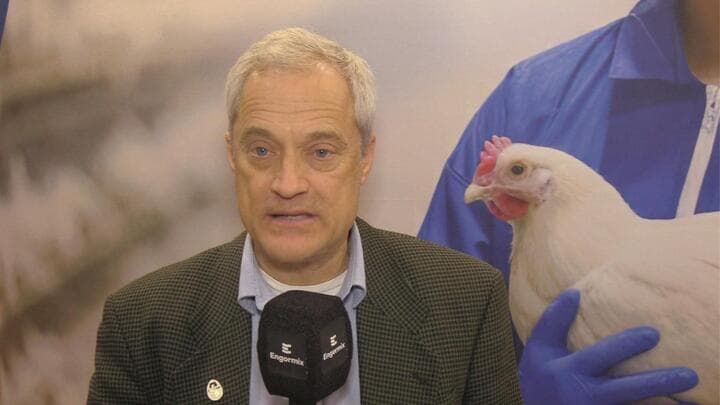
Stella Molck, Scientist Microbiology RD&I at Evonik, discusses the importance of outgrowth speed in spore-forming probiotics and how it influences gut colonization, microbial balance, and overall effectiveness in animal nutrition. ...
Dr. Stella Molck, Scientist Microbiology RD&I at Evonik, explains how dynamic in vitro intestinal simulation tools provide deeper insights than traditional poultry gut health studies, helping researchers better understand gut function, feed additive performance, and microbiome interactions. ...
INTRODUCTION
For many years, broiler intestinal health was supported by the widespread use of antimicrobial growth promoters (AGPs). These AGPs are antibiotic substances that were added to the feed at subtherapeutic levels, leading to improved animal performance. In the European Union, the use of AGPs was banned in 2006 while the Center for Veterinary Medicine of the US Food and Drug.
...
Disruptions within the microbiome–gut–bone axis are increasingly recognized as key contributors to impaired bone metabolism and leg disorders in broiler chickens. This study investigated the effects of a combined dietary additive containing Bacillus subtilis DSM 29784 and a phytogenic blend of garlic and essential oil components (BsP) on the modulation of microbial communities, intestinal integrity, mineral utilization, and bone-associated immune–osteogenic...
Anita Menconi, Regional Business Director, Specialty Nutrition, Americas at Evonik, explains how this probiotic simplifies life for feed manufacturers and producers. From operational ease to compatibility with AGPs and anticoccidials in complex feed programs, she breaks down why flexibility and stability matter in real-world production systems. ...
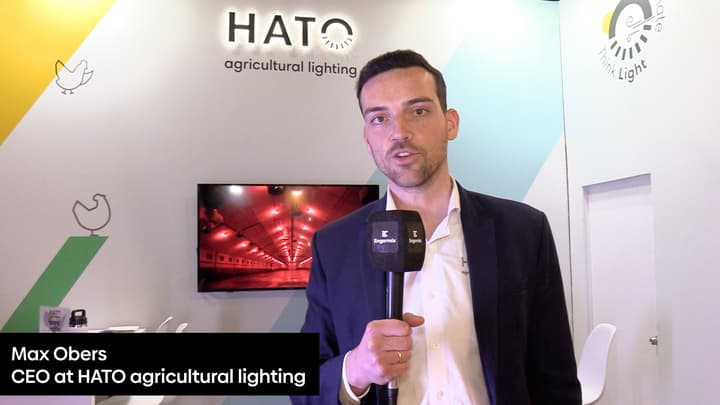
Héctor Leyva-Jiménez (United Animal Health) shares his research on the impact of probiotics on fly populations in poultry farms, in this Engormix interview at IPPE 2026 in Atlanta. ...
Antibiotics have been added to livestock in Industrial farms since 1946 to caused animal grow faster and put on weight more efficiently. Between 1985 and 2001, the use of antibiotics in feed for industrial livestock production rose a starling 50%. As global demand for animal protein grows, antibiotics use to raise food-producing animals in intensive production–mostly to promote growth rather than treat disease. According to a new report by the FDA 2010,...
Butyrate is a short-chain fatty acid that can be given as a dietary additive to support intestinal health and poultry performance. Providing butyrate in a protected form that reaches the hindgut could have different effects than an earlier-absorbed butyric acid salt. To compare these additives, 468 broiler chicks were housed 12 birds per pen, with 13 pens per dietary treatment. Birds were fed a three-phase feeding regimen for 42 d divided into three dietary treatments: a negative...














.jpg&w=3840&q=75)

.mp4&w=3840&q=75)