Explore all the information on
Dairy cattle ruminal performance
Welcome to the page about Dairy cattle ruminal performance of Engormix; a source of knowledge on Dairy cattle ruminal performance.

Dr. Valentin NENOV, Global Ruminant Manager at Phileo by Lesaffre, mentions Show a yeast probiotic can be an effective tool to optimize the rumen microbiome for better efficiency and reduce the carbon footprint of dairy production.
...
Comments : 0
Recommendations: 2

Calves require supplemental water early in life to support hydration, health, early grain intake, rumen development, and body growth. Supplying body water by feeding milk or milk substitute is not enough to optimize these performance factors. The rumen needs a separate source of pure water to feed the fermentation process that makes the rumen grow. ...
Comments : 0
Recommendations: 0

Blockchain and Artificial Intelligence in Livestock Product Traceability
Suggested link


Wenli Li (US Dairy Forage Research Center) gives a talk on ruminal acidosis and its effect on the microbial community in the liver, during the Symposium on Gut Health in St. Louis, USA....
Comments : 0
Recommendations: 1

Carl Yeoman (Montana State University) talks about gastrointestinal microbiota of wild ruminant species, during the Symposium on Gut Health in St. Louis, USA....
Comments : 0
Recommendations: 0



NitroShure™ Precision Release Nitrogen uses Balchem’s proprietary encapsulation technology to provide a more consistent nitrogen supply to rumen microbes, allowing for greater flexibility in feeding programs. It’s a valuable tool for helping producers and nutritionists to reduce ration costs while increasing the amount of high quality protein available to the cow....
Comments : 0
Recommendations: 2

Balchem has been perfecting the art of microencapsulation for more than 50 years and has spent nearly 30 years applying this technology to dairy animals to protect compounds from ruminal degradation. Balchem launched its first animal nutrition product - ReaShure® Precision Release Choline - in late 1999. Through encapsulation, ReaShure passes safely through the rumen to the abomasum and small intestine to effectively deliver choline, an essential nutrient required by dairy cows....
Comments : 1
Recommendations: 0
.jpg&w=3840&q=75)



1. Introduction Mycotoxins are secondary fungal metabolites that are harmful to animals and humans [1]. Monogastric animals are considered to be more susceptible to the toxic effects of mycotoxins than ruminants as the rumen microbiota are capable to degrade some of those toxic molecules to less toxic metabolites [2–4]. In addition, intrinsic rumen fluid factors, such as bacterial and yeast cell walls and feed particles, can deactivate mycotoxins (e.g., aflatoxins and...
Comments : 1
Recommendations: 1
...
Comments : 0
Recommendations: 0
.jpg&w=3840&q=75)
Background Balchem now manufactures a high-quality, ruminally protected choline product called ReaShure®-XC Rumen Protected Choline, the next generation of ReaShure which provides bioavailable choline in a more concentrated product. At calving, dairy cows go from a period of positive energy balance to negative energy balance. There is a surge in blood non-esterified fatty acids (NEFA) at calving, due to the stress and the hormonal changes associated with...
Comments : 0
Recommendations: 2

1. Rumen protects dairy cows against mycotoxins… only partially Mycotoxins are toxic metabolites, produced by fungi, that can develop in grains and forages. The most well-known and probably the most feared type of mycotoxins in dairy production are...
Comments : 0
Recommendations: 6
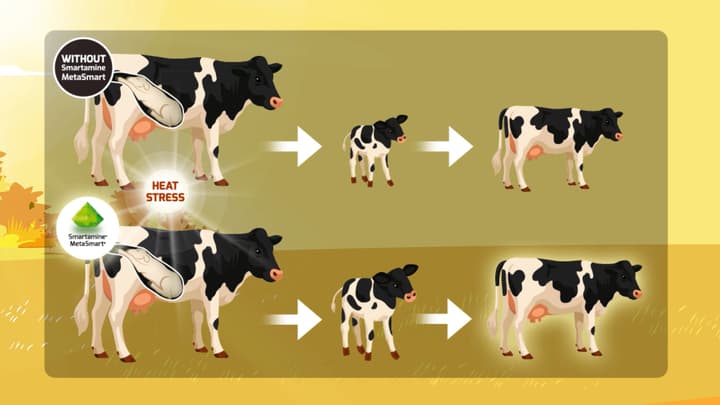

Wasting nutrients is a waste of money. But feed losses also have a direct effect on animal health and performance and makes the diet less sustainable. This can be prevented by giving the rumen more care and attention. In a healthy working rumen, digestion is...
Comments : 1
Recommendations: 3

INTRODUCTION The importance of nutritional management for improving production and minimizing environmental impacts from beef and dairy cattle industry is well-established (McAllister et al., 1996; Havlík et al., 2014; Bach et al., 2020). Corn grain is the most commonly used cereal grain for dairy and beef production in the United States and its high starch content yields energy to support greater levels of milk and meat production (Giuberti et al., 2014)....
Comments : 0
Recommendations: 2



In this podcast sponsored by Balchem Animal Nutrition and Health experts discuss the reporting of fatty acid content in the feed and expand upon fatty acid digestion, and how those fatty acids affect milk fat.
...
Comments : 0
Recommendations: 3

Introduction Fatty liver occurs in approximately 50-60% of dairy cows at orshortly after calving2,3. It occurs because the cow mobilizes energy from adipose tissue in response to hormonal changes at calving and negative energy balance immediately after calving when the cow cannot consume enough energy to support maintenance and milk production. However, it can also occur anytime the cow experiences negative energy balance from other factors such as sickness, suboptimal...
Comments : 0
Recommendations: 0

Background Reducing the rate at which ammonia is released from urea into the rumen may allow rumen bacteria to more effectively capture the nitrogen released. Slowing the rate of release of ammonia from urea can be accomplished by encapsulating it with lipids. NitroShure Precision Release Nitrogen uses Balchem’s proprietary encapsulation technology to provide a more consistent nitrogen supply to rumen microbes, maximizing microbial protein yield, improving...
Comments : 0
Recommendations: 1

1. Introduction The use of tannin in ruminant nutrition is increasing, mainly due to its diverse positive effects in several aspects concerning physiology, metabolism, and animal performance. However, research results are quite controversial regarding the concentrations and sources used, which reinforces the need for further studies to elucidate these still evident gaps. According to Haslam and Lilley [1], tannins represent secondary compounds of plants and are present in...
Comments : 0
Recommendations: 0
Blockchain and Artificial Intelligence in Livestock Product Traceability
Suggested link

Why should we do this? With a good controlled fermentation (con-trolling pH or acidity) in the rumen, we will do two things: first, we will maximize the energy derived from the fiber, starch and other carbohydrates fed and secondly we will optimize microbial protein flow from the rumen. This results in high quality protein production in the rumen and can reduce the need to feed more expensive ingredients to meet the energy and amino acid requirements of the...
Comments : 0
Recommendations: 0
INTRODUCTION Sorghum ( Sorghum bicolor (L.) Moench) is a tropical forage species widely used in ruminant nutrition. Sorghum is considered the best option in arid and semi-arid regions worldwide. Sorghum is a typical plant of hot climates due to its xerophilic characteristics, low soil fertility requirements, high tolerance/resistance to water stress and salinity (HASSAN et al., 2018). Sorghum grain has been used as an energy source in ruminant diet formulation and...
Comments : 0
Recommendations: 0

Ruminants naturally discriminate between feeds to preserve their health. They reject bitterness and sourness, but they accept salty and sweet. Do you want to know more about how cows discriminate between feeds and how palatability can improve voluntary feed intake? Listen to Sébastien Chaboche, Business Manager for Palatability in Europe and CIS, with more than 20 years of experience in ruminant nutrition....
Comments : 2
Recommendations: 3