Precision Mineral Nutrition for Dairy Cows
Published: March 13, 2023
Summary
Introduction Precision nutrition means diets are formulated as close as possible to requirements while avoiding any deficiency issues. Benefits of precision mineral nutrition can include reduced diet costs, reduced environmental impact, and reduced risk of toxicity. The major problem with precision mineral nutrition is increased risk of deficiency. Deficiency can be manifested as a clinical defi...
Content from the event:

Related topics:
Authors:


Recommend
Comment
Share

6 de junio de 2023
Dearest Bill,
Thank you for your great paper. Just 2 questions:
1- Can we feed the cows only with organic trace minerals? Like what happened for horse and what Altech company did for horses (one-fifth of horse requirements are met by only organic trace minerals.
2- If Co requirement is this much low, why Availa4 is providing cows with the 5-6 times of requirements? Is there any logical reason behind it?
Look forward to hearing from you.
Ehsan
Recommend
Reply

18 de noviembre de 2025
Dear Bill,
Thanks very for article,and i have just few questions.
1. Considering many tropical or subtropical forages differ markedly from typical U.S./European forages:
· Does the NASEM (2021) equation set (as referenced in your article) reliably apply in tropical dairy systems (e.g., high-moisture, tropical grasses or maize stover-based diets)?
· Would you recommend local calibration of mineral absorption coefficients or requirement models in those settings, and if so, how best to approach that (e.g., titration studies, tissue sampling)?
2. In herds where the major feed ingredients are by-products (e.g., banana stem, cane molasses, ammoniated silage) rather than standard corn silage or alfalfa:
· Do you think additional caution/safety factors should be applied in these atypical feeds due to unknown or variable mineral bioavailability?
· Have you come across any data or experience relating to mineral nutrition in dairy systems using tropical by-products that might help inform formulation safety factors?
3. In the context of sustainability and cost constraints (which are real in many developing country dairy systems):
· What would you prioritise: minimising mineral over-feeding to reduce cost and environmental risk, or adopting a more conservative (higher safety-factor) approach to avoid deficiency risk?
· Could you share any case studies or data where a “precision mineral nutrition” approach (rather than blanket high supplementation) was successfully implemented in a low-resource dairy farm scenario?
Thanks very much.
JD Musinga
Thanks very for article,and i have just few questions.
1. Considering many tropical or subtropical forages differ markedly from typical U.S./European forages:
· Does the NASEM (2021) equation set (as referenced in your article) reliably apply in tropical dairy systems (e.g., high-moisture, tropical grasses or maize stover-based diets)?
· Would you recommend local calibration of mineral absorption coefficients or requirement models in those settings, and if so, how best to approach that (e.g., titration studies, tissue sampling)?
2. In herds where the major feed ingredients are by-products (e.g., banana stem, cane molasses, ammoniated silage) rather than standard corn silage or alfalfa:
· Do you think additional caution/safety factors should be applied in these atypical feeds due to unknown or variable mineral bioavailability?
· Have you come across any data or experience relating to mineral nutrition in dairy systems using tropical by-products that might help inform formulation safety factors?
3. In the context of sustainability and cost constraints (which are real in many developing country dairy systems):
· What would you prioritise: minimising mineral over-feeding to reduce cost and environmental risk, or adopting a more conservative (higher safety-factor) approach to avoid deficiency risk?
· Could you share any case studies or data where a “precision mineral nutrition” approach (rather than blanket high supplementation) was successfully implemented in a low-resource dairy farm scenario?
Thanks very much.
JD Musinga
Recommend
Reply
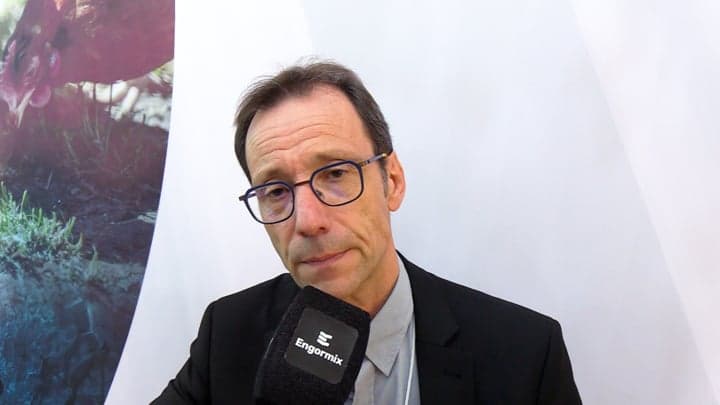

Driving Animal Nutrition Innovation: Adisseo’s Global R&D Strategy
Suggested link
1

Would you like to discuss another topic? Create a new post to engage with experts in the community.





Featured users in Dairy Cattle




José Manuel Oropeza Meza
MSD - Merck Animal Health
Gerente Nacional Cuentas Clave en MSD Salud Animal
United States
United States