Description of the problem
Broiler chicks are typically exposed to continuous or near-continuous light for their first week of life (Scanes and Christensen, 2019), a practice supported by many broiler management guidelines (Aviagen, 2018; Cobb, 2021). The rationale behind this approach is to provide chicks with ample time for feeding during their rapid growth phase. However, the effectiveness of continuous lighting for modern fast-growing broilers during brooding remains insufficiently investigated (Olanrewaju et al., 2006).
The debate within the poultry industry regarding the necessity of a dark period for broiler chicks dates back to the 1960s. Early studies suggested that continuous light yielded better results than introducing a dark period (Skoglund et al., 1966; Shutze et al., 1961), while others advocated for at least four hours of darkness during brooding (Wilson et al., 1964). Recent research comparing different lighting regimes found no significant differences in various growth parameters on Days 7 and 14 between chicks exposed to 20 hours of light and 4 hours of dark (20L:4D) versus 23 hours of light and one hour of dark (23L:1D) (Magee et al., 2022). Higher plasma melatonin was observed during the beginning and end of the dark period in chicks reared under 20L:4D compared to 23L:1D; however, the 24L:4D birds did not exhibit the expected nighttime peak in melatonin. No differences in corticosterone were observed on Day 14 between birds reared under either lighting program (Magee et al., 2023).
Studies have shown that lighting programs can influence both bird performance and physiological factors such as corticosterone, melatonin, and superoxide dismutase (Olanrewaju et al., 2006). Dark periods have shown positive effects on broiler leg health, including gait scores and tibial breaking strength in older birds (Schwean-Lardner et al., 2013). Lighting studies primarily focus on lighting programs initiated post-brooding, with consistent findings emphasizing the benefits of dark periods on broiler performance and welfare (Lewis and Morris, 2006). Because of the research’s focus on older birds, there is a gap in understanding regarding the potential advantages of providing chicks with a dark period.
Many welfare guidelines mandate a minimum of four hours of darkness post-brooding (NCC, 2017) based off the understanding that four hours of continuous darkness is necessary for chickens to exhibit a full sleep cycle (Blokhuis, 1983, 1984). Given the evolving understanding of circadian rhythms in poultry, the current reliance on continuous lighting during brooding may raise future welfare concerns. It is conceivable that future guidelines may require the inclusion of a dark period during brooding to better align with the physiological needs of chicks.
Despite the common practice of continuous lighting during brooding, there is limited research supporting its efficacy. More research needs to be conducted on how dark periods during brooding affects broiler performance in order for integrators to adopt this practice. This research aims to investigate the influence of photoperiod during the first week of age on broiler performance and physiological responses, both in controlled pen trials and commercial broiler houses, up to 42 days of age.
Materials and methods
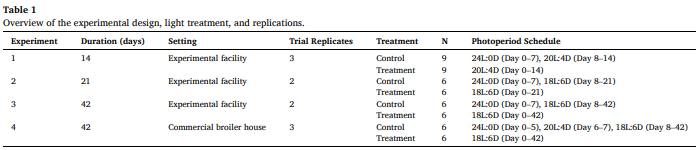
Three experiments were conducted at the University of Georgia Poultry Research Center. The University of Georgia Institutional Animal Care and Use Committee (IACUC # A2022 05-001-Y1-A0) approved all procedures in this study. A total of six rooms were utilized in each experiment. Three rooms served as controls with no dark period (24L:0D) from Day 0 to Day 7 while the birds in the other three rooms were given a dark period from Day 0 to Day 7. A fourth experiment was conducted on a commercial broiler farm. A total of four houses were utilized in this experiment. Two houses served as controls with 24L:0D from placement to Day 5, then 20L:4D until Day 7, and then set to 18L:6D from Day 8 until the end of each trial on Day 42. The other two houses served as treatments with 18L:6D from placement until the end of each trial on Day 42. Birds in the control rooms were provided the same dark period as the treatment birds starting on Day 8. All rooms (Experiments 1, 2, and 3) had a 30-minute dawn/dusk cycle before and after each dark period. See Table 1 for a detailed overview of the experimental design.
Facilities
Each trial utilized six 6.1 m X 7.3 m rooms with four 1.5 m X 1.2 m pens resulting in a total of 24 pens. Rooms were light-tight and moderately sound-tight, preventing the entry of outside light and minimizing external noise. Each room was equipped with two exhaust fans 22.86 cm AT09Z2CP (1,070 cfm @ 0.254 cm) and 45.72 cm AT18ZCP (4,120 cfm @ 0.245), (Munters Corporation, Lansing, MI, United States), a 100,000 Btu/hr forced air furnace (LB White - Guardian) and two continuously operating 45.72 cm circulation fans (AT18 4,360 cfm @ 0.254 cm) (Munters Corporation, Lansing, MI, United States). Light was provided by six dimmable LED bulbs (General Electric relax LED Comfortable Soft White Light A19 Medium Base, 2700 K, 800 lumens) controlled by an automatic digital light dimmer (PLS-2400 MR4, Precision Lighting Systems, Hot Springs, AR, United States of America). Light intensity was set to 40 Lux at floor level in each pen throughout each trial. Water was provided by a one-meter long Ziggity drinker line equipped with three nipples (Ziggity Systems INC. Middlebury, IN, United States of America) and fed utilizing Chore-Time Konavi feeders (Chore-Time Milford, IN, United States of America). Each pen had approximately 8 cm of fresh pine shavings covering the concrete floor. The litter was cleaned out and fresh bedding was applied in between each trial.
Bird management
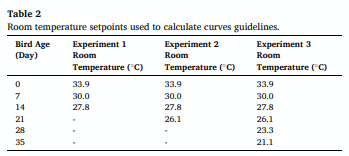
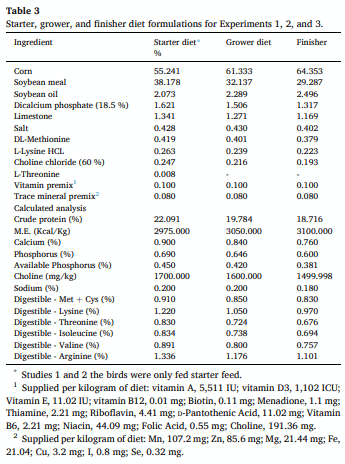
On day of hatch, Cobb byproduct male broiler chicks were weighed and separated into nine weight categories: < 32, 32-34, 35-37, 38-40, 41- 43, 44-46, 47-49, 49-51, and > 51 grams. Chicks were then evenly selected from each weight category and placed into pens to minimize differences in initial pen weights. The environmental controllers in all rooms were programmed with setpoints that followed a standard curve, beginning at 33.9 ◦C on day 0 and decreasing to 30.0 ◦C by day 7 and 27.8 ◦C by day 14. For Experiments 2 and 3, temperature continued to decrease to 26.1 ◦C by day 21, with Experiment 3 reaching 23.3 ◦C and 21.1 ◦C by days 28 and 35, respectively (Table 2). Throughout the experiments, a starter (0-21D), grower (22-35D), and finisher (36-42D) feed (Table 3) was offered ad libitum. Broilers in Experiment 1 were reared to 14 days, and those in Experiment 2 were reared to 21 days; therefore, broilers in both experiments were fed only a starter feed. Broilers in Experiment 1 were reared to 14 days and those in Experiment 2 were reared to 21 days, thus the broilers in both of these experiments were fed a starter feed only. Body weights were determined by weighing birds on Days 0, 3, 7, 10, and weekly thereafter (depending on the specific experiment). Feeders were weighed every time bird weights were measured and were used to calculate feed consumption and feed to gain ratio. Mortality and culled birds were necropsied and recorded daily by the researchers.
Blood sampling procedure
Weekly blood samples were taken from one random bird in each pen during the middle of the dark period (~3am) and the middle of the light period (~3pm). During dark period sampling, blood was collected in the dark with a red headlamp keep the birds calm. Blood was drawn via aortic cardiac puncture and stored in sodium heparin tubes; birds were euthanized by cervical dislocation after the sample was taken. Each blood sample was taken within a minute of handling the bird as to not confound any sample due to stress. Blood was then centrifuged at 1,000 rcf for 15 minutes at 4◦C. The blood plasma was then collected off and stored in labeled microcentrifuge tubes at − 20◦C for later analysis. Plasma samples were thawed and analyzed for corticosterone, superoxide dismutase, and melatonin using a microplate spectrophotometer (Victor Nivo Multimode Microplate Reader, PerkinElmer. Waltham, MA, United States of America).
Experiment 1
In Experiment 1, a 14-day trial was conducted to analyze the effects of 24 L vs 20 L provided from day 0-7. In the first experiment, 22 chicks were placed in each pen (four per replicate room), resulting in an initial stocking density of 0.09 m2 /bird, with a final stocking density of 0.12 m2 /bird after euthanizing birds for blood sampling each week. Three rooms served as control with 24L:0D from placement to Day 7 and then set to 20L:4D from Day 8 until the end of each trial on Day 14. The other three rooms served as treatment with 20L:4D from placement until the end of each trial on Day 14. Pen weights were taken on Days 0, 3, 7, 10, and 14. Birds were individually weighed on Days 0, 7, and 14 to calculate uniformity. Corticosterone and melatonin were assayed using ELISA kits (Cayman Chemicals Corticosterone ELISA Cat#501320) utilized by (Leishman et al., 2020; Rensel et al., 2020; Rensel and Schlinger, 2021) and (Genway Biotech Melatonin ELISA Kit GWB-7A8704) utilized by (Archer and Mench, 2014) according to the manufacturer’s instructions. Day 7 plasma samples analyzed for melatonin were diluted by a factor 1:2 to be within the range of the ELISA kit. This experiment consisted of three replicate trials and the light treatments were alternated by room to account for possible room effects.
Experiment 2
Experiment two followed the same procedures as Experiment 1 with the following exceptions. A 21-day trial was conducted to evaluate the effects of 24 L versus 18 L from day 0-7. Each pen contained 23 chicks, resulting in an initial stocking density of 0.08 m²/bird and a final density of 0.11 m²/bird. The control group maintained a 24L:0D schedule from placement to Day 7, transitioning to 18L:6D from Day 8 to Day 21, while the treatment group received 18L:6D throughout. Birds were individually weighed on Days 0, 7, 14, and 21, with pen weights recorded on Days 3 and 10.
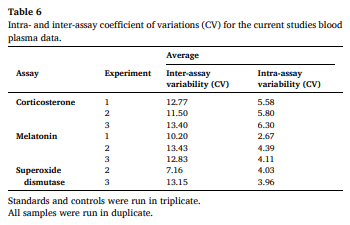
A different melatonin ELISA kit was used in this experiment because it was found to be more economical; this ELISA was validated for use in avian plasma samples prior to running the samples from this study (MP Biomedicals Direct Melatonin EIA Kit CAT# 07P534A). The accuracy of the assay was assessed by comparing the results to a validated reference provided with the ELISA, yielding a mean recovery of 97.9 %, with a range from 94.9 % to 101.6 %. Recovery was determined by spiking blank samples with known amounts of melatonin. The average recovery was 97 %, with a coefficient of variation (CV) of 5 %. Precision was evaluated through intra-assay variation of ten replicates of four separate pooled samples CV 2.7 %. The average intra-assay CV was 3.7 % and the inter-assay CV was 12.2 % across the second and third experiment. The limit of detection (LOD) for the ELISA assay was determined to be 4.15 pg/mL. This was assessed by serially diluting four pooled samples in eight steps, using a 1:3 dilution factor for each step. The assay demonstrated linearity, with a correlation coefficient (r) of 0.998 over the tested concentration range of 0–300 pg/mL. The measurement of an enzymatic antioxidant associated with dark periods, superoxide dismutase, was added to this experiment (Cayman Chemicals SOD Assay Kit CAT #706002) utilized by (Chen et al., 2017; DeMoranville et al., 2022; Lin et al., 2022). Days 7 and 14 plasma samples analyzed for melatonin were diluted by a factor of 1:2.5 to be within the range of the ELISA kit. All plasma assay kits were used according to the manufacturer’s instructions. This experiment consisted of two replicate trials and the light treatments were alternated by room to account for possible room effects.
Experiment 3
Experiment three mirrored the procedures of Experiment 2 with the following exceptions. A 42-day trial was conducted, with each pen housing 28 chicks, resulting in an initial stocking density of 0.07 m²/ bird and a final density of 0.12 m²/bird. Birds were individually weighed on Days 0, 7, 14, 21, and 42, with pen weights recorded on Days 3, 10, 28, and 35. On Day 21, two birds without any visible signs of lameness were selected from each pen and banded. Because broilers typically begin to develop leg issues around 28 days of age, this approach allowed us to monitor the onset of lameness beyond three weeks and reduce potential confounding from pre-existing conditions. On Day 42, before the completion of each trial, the two banded birds from each pen (total = 24) were observed for gait scores according to a Three-Point GaitScoring System (Webster et al., 2008). After gait scoring, each bird was cervically dislocated, tibias were collected, and all tissue was removed from the bones. One tibia from each bird was assayed for bone-breaking strength via a servo hydraulic testing machine (Stable Micro Systems’ TA.HDplusC Contact Texture Analyzer, Godalming Surrey GU7 1YL United Kingdom), as described in Regmi et al. (2015). This experiment was replicated two times, and the light treatments were alternated by room to account for room effects.
Experiment 4
In Experiment 4, a 42 day field trial was conducted to analyze the effects of 24 L vs 18 L provided from Day 0-5. This experiment was conducted across three consecutive flocks in four commercial broiler houses, each measuring 15.24 meters in width and 152.4 meters in length. Before the first trial the grower cleaned out and applied approximately three inches of pine shavings on the packed dirt floor of the broiler houses. Before the second and third trial the grower decaked the houses and broilers were reared on used litter. Chicks were placed with an initial stocking density of 0.08 m2/bird, 0.09 m2/bird, and 0.08 m2/bird for the first, second, and third flocks, respectively. Two houses served as control with 24L:0D from placement to Day 5, then 20L:4D until Day 7, and then set to 18L:6D from Day 8 until the end of each trial on Day 42. The other two houses served as treatment with 18L:6D from placement until the end of each trial on Day 42. Light treatments were alternated by house to account for house effects across the three trials (Table 4).
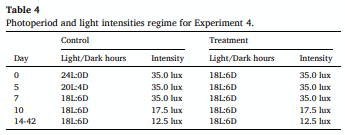
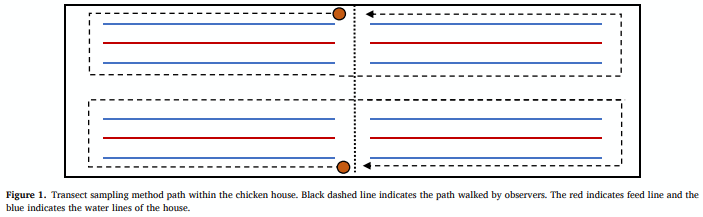
Birds were individually weighed (100 birds in the front half + 100 birds in the back half = 200 Birds Total) on Days 1, 3, 7, 14, 21, 28, 35, and 42 to calculate uniformity and average bird weight. In addition, the farmer’s mortality and cull sheets were recorded weekly. A transect sampling method was used on Day 42 for the second and third flocks. This method was adapted from previous studies (BenSassi et al., 2019; Marchewka et al., 2019). Trained observers followed designated paths within each house, as indicated by the black dashed lines in Fig. 1. During these observations, the observers visually tallied the number of lame birds along each transect. Finally, upon the completion of each flock, the integrator provided data on final body weight, livability, and feed conversion ratio (FCR).
During the first and second trial, broilers were caught and processed at 47 days of age where on the third trial broilers were caught and processed at 45 days of age. The integrator provided total house weight of the broilers, total feed consumption, and feed conversion ratio separated by house on the day the birds were sent to processing.
Data analysis
Data from these four experiments were analyzed with room (pen trials experiments 1, 2, and 3) and house (field trial experiment 4) as the experimental units. Because there were no significant differences between trials within an experiment, data were combined using trial as a blocking factor. Data from Trials 1, 2, and 3 (14 day – 24 L vs. 20L:4D) were combined for Experiment 1 (P = 0.10244), data from Trials 4 and 5 (21 day – 24 L vs. 18L:6D) were combined for Experiment 2 (P = 0.11156), and data from Trials 6 and 7 (42 day – 24 L vs. 18L:6D) were combined for Experiment 3 (P = 0.17707). The field data from Trials 8, 9, and 10 conducted in commercial broiler houses had no trial interactions, therefore the data were combined for analysis. The arcsine transformation was used to normalized proportional data (uniformity, mortality, gait scores, lames observations in Experiment 4) before analysis and back transformed means are presented. Performance and plasma assay data were analyzed using the ANOVA procedure (JMP Pro, ver. 15). The means of the variables found to be significantly different were separated by Tukey’s method. Variables were considered statistically significant at P ≤ 0.05.
Results and discussion
Pen
Trials Experiment 1 (14 DAYS – 24 L VS. 20L:4D)
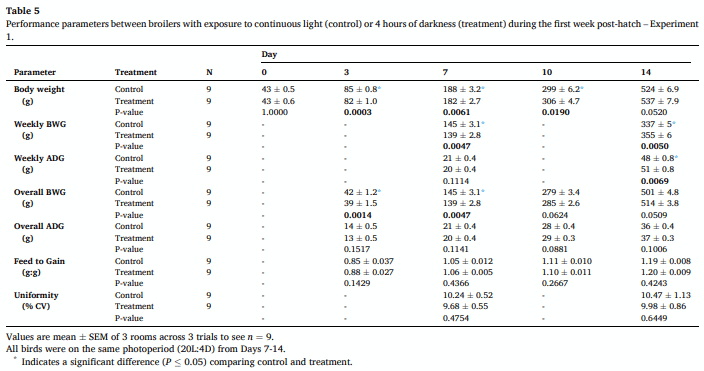
Performance. No differences in mortality were observed between control and treatment. The treatment group exhibited significantly (P ≤ 0.05) lower BW (82 vs. 85 g) and BWG (39 vs. 42 g) on Day 3. This trend continued into Day 7, where BW (182 vs. 188 g), and BWG (139 vs. 145 g) were significantly lower compared to the control group (Table 5). No differences in 0-14 ADG were seen between control and treatment. The pattern of higher body weight in the control birds changed after the birds were exposed to their first 4-hour dark period of Day 7. By Day 10, the treatment birds displayed significantly higher BW (306 vs. 299 g) than the control birds. On Day 14, the treatment group continued to outperform the control birds with significantly higher BWG (355 vs. 337 g) and ADG (51 vs. 48 g), compared to the control group. No significant differences were observed in feed to gain throughout the experiment.
The current results support previous findings that suggest birds adjust their feed intake and compensate growth in response to photoperiod. Classen et al. (1991) found that broilers reared under a step-down lighting program consumed similar amounts of feed by the end of the flock as broilers raised under 23L:1D for the entire flock. The current results differ from the findings of Magee et al. (2022), who found no performance differences between birds subjected to different light schedules (23L:1D vs. 20L:4D) on either Day 7 or 14. This difference in conclusions may be due to the one-hour dark period that Magee et al. (2022) provided their control pens.
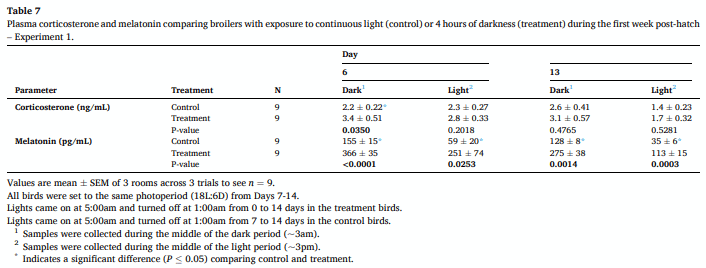
Blood plasma characteristics. Mean intra- and inter-assay coefficient of variations (CV) for the current studies blood plasma data were 11.81 and 4.61, respectively. Table 6 shows Intra- and inter-assay (CV) by experiment. Of the four blood plasma sample collection periods, significant differences (P ≤ 0.05) in corticosterone were only observed in the treatment group during the dark period of Day 6 (3.4 vs. 2.2ng/mL) (Table 7). The corticosterone levels were within normal physiological ranges for broilers (Korte et al., 1997). The results of the current study concur with Magee et al. (2023), who also reported no corticosterone differences at Day 14 in birds subjected to different light schedules (23L:1D vs. 20L:4D).
Treatment birds exhibited elevated plasma melatonin levels on Day 6 during both the dark (366 vs. 155 pg/mL) and light periods (251 vs. 59 pg/mL), as well as during the dark and light periods on Day 13 (275 vs. 128 pg/mL) and (113 vs. 35 pg/mL) respectively (Table 7). The current data are similar to Schwean-Lardner et al. (2014), who found a 20L:4D cycle increased light and dark period melatonin compared to birds reared under 23L:1D at 21 days of age. The current data differs from the melatonin levels observed in Magee et al. (2023), where birds exposed to different light schedules (23L:1D vs. 20L:4D) showed no melatonin peak during the middle of the dark period.
Experiment 2 (21 DAYS – 24 L VS. 18L:6D)
Performance
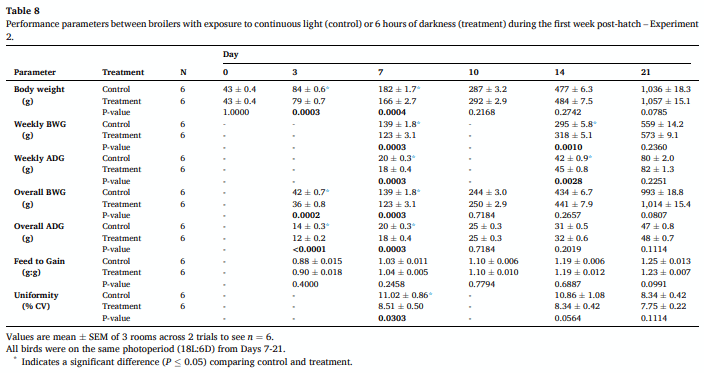
No differences in mortality were observed between control and treatment. As observed in Experiment 1, treatment birds in Experiment 2 displayed significantly (P ≤ 0.05) lower BW (79 vs. 84 g), BWG (36 vs. 42 g), and ADG (12 vs. 14 g) on Day 3. The trend continued into Day 7, with the control birds outperforming the treatment birds BW (182 vs.166 g), BWG (139 vs.123 g), and ADG (20 vs.18 g) (Table 8). While adjusting to the six-hour dark period beginning on Day 7 the control birds began to underperform relative to the treatment birds. Unlike in Experiment 1, there were no significant differences in Day 10 performance (BW, 0-10 BWG) between the two groups in this experiment. During Week 2, the treatment pens exhibited higher weekly BWG (318 vs. 295 g) and weekly ADG (45 vs. 42 g). By Day 21, no differences in performance were observed comparing control and treatment.
The difference between the Day 10 data of Experiments 1 and 2 is most likely due to the difference in photoperiod between the two experiments. Because the treatment birds in Experiment 2 received a sixhour dark period, their growth curve changed and did not show higher growth until Day 14. No differences in feed to gain were observed throughout the experiment. The treatment group was significantly more uniform on Day 7 (9 vs. 11 %), with no differences in uniformity observed on Days 14 and 21.
Blood plasma characteristics
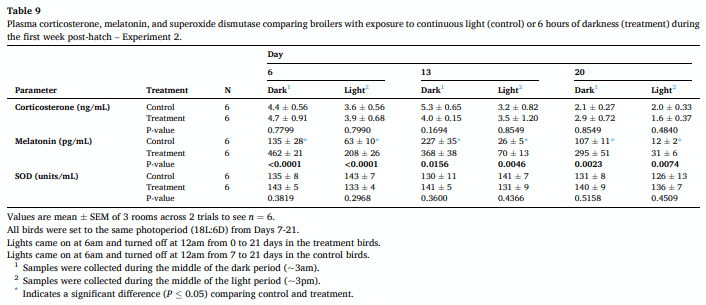
No differences in plasma corticosterone or superoxide dismutase levels were found when comparing control and treatment groups throughout the experiment (Table 9). Treatment birds exhibited significantly (P ≤ 0.05) higher plasma melatonin levels during the dark periods of Day 6 (462 vs. 135pg/mL), 13 (368 vs. 227pg/mL), and 20 (297 vs. 107pg/mL) (Table 9). The plasma melatonin was also significantly higher during light periods of Day 6 (208 vs. 63pg/mL), 13 (70 vs. 26pg/ mL), and 20 (31 vs. 12pg/mL).
These findings are similar to those of Schwean-Lardner et al. (2014), who reported that a 17L:7D light cycle increased baseline melatonin as well as dark period elevations compared to birds reared under 23L:1D at 21 days of age. Ozkan ¨ et al. (2006) found comparable melatonin concentrations on Day 21 (165 and 295pg/mL) when comparing birds reared with and without dark periods (24 L vs. 16L:8D) from Day 2 to 49. Although the initiation of the dark period and the photoperiod length of Schwean-Lardner et al. (2014) and Ozkan ¨ et al. (2006) differs from this research, the pattern in melatonin peak during the night and elevated daytime concentrations is comparable with this research.
Experiment 3 (42 DAYS – 24 L VS. 18L:6D)
Performance
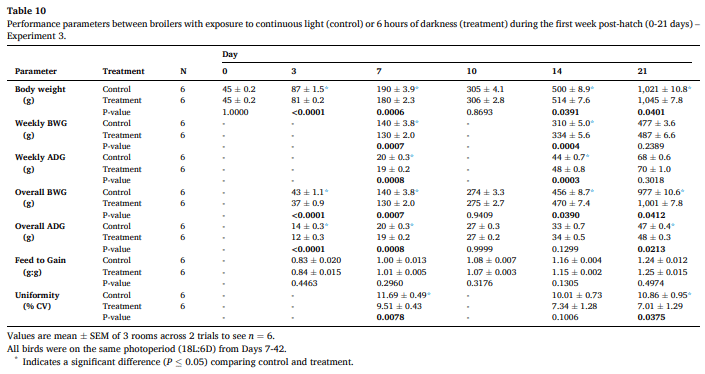
No differences in mortality were observed between control and treatment. Similar to the previous experiments, treatment birds on Day 3 displayed significantly (P ≤ 0.05) lower BW (87 vs. 81 g), BWG (37 vs. 43 g), and ADG (12 vs. 14 g). The trend continued to Day 7 with the control birds outperforming the treatment birds BW (190 vs.180 g), BWG (140 vs.130 g), and ADG (20 vs.19 g) (Table 10). By Day 10, however, performance differences between control and treatment groups were no longer observed. By Day 14, the same trend seen in Experiments 1 and 2 was observed, with the treatment group growth surpassing the control birds BW (514 vs. 500), BWG (470 vs. 456 g), Weekly BWG (334 vs. 310 g), and Weekly ADG (48 vs. 44 g).
Unlike the findings in Experiment 2, in this experiment, the treatment group continued to outperform the control group BW (1,045 vs. 1,021 g) to Day 21, possibly due to more uniform birds. There were higher cases of omphalitis in the second experiment, which may be why the birds varied in weight, leading to a higher standard error, which may be a factor leading to no significant difference in Day 21 BW in Experiment 2.
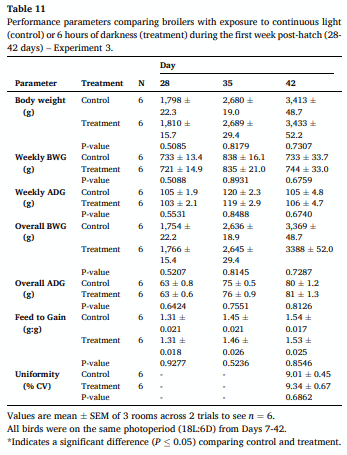
From Days 28 to 42, no differences in performance were observed between the control and treatment groups (Table 11). Consistent with the previous experiments, no feed-to-gain differences were observed throughout the trial.
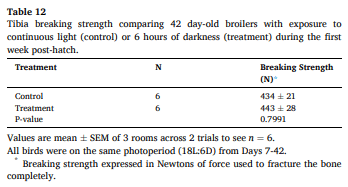
The treatment group showed better uniformity on Days 7 (10 vs. 12 %) and Day 21 (7 vs. 11 %). On Days 14 and 42, no significant differences in uniformity were observed between the control and treatment birds. Gait scores were collected and no significant differences between treatment and control were found since no birds with scores above 0 in either trial were observed. There were no differences in tibial breaking strength between treatment and control groups (Table 12).
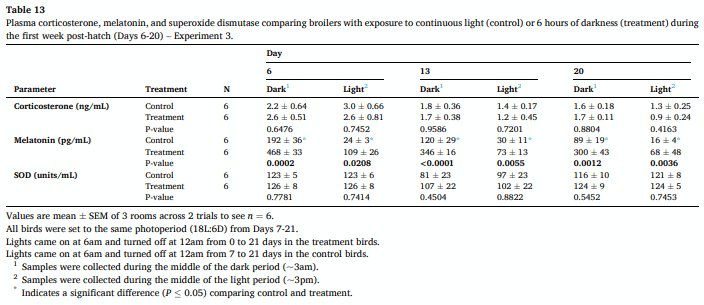
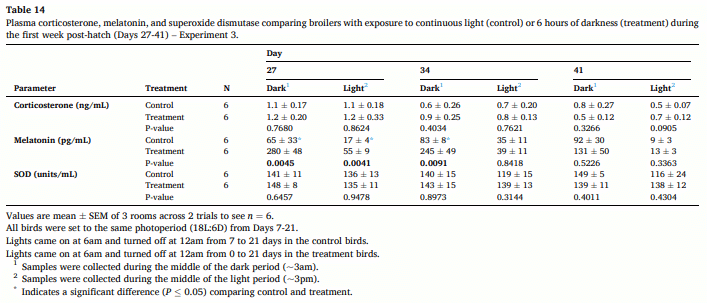
Blood plasma characteristics No differences were observed in corticosterone levels and consistently fell within normal physiological ranges (Table 13–14). Similar trends in melatonin were observed in Experiment 3 as in Experiments 1 and 2. During the dark periods treatment birds exhibited significantly (P ≤ 0.05) higher plasma melatonin levels on Days 6 (468 vs. 192pg/mL), 13 (346 vs. 120pg/mL), 20 (300 vs. 89pg/mL), 27 (280 vs. 65pg/mL), and 35 (245 vs. 83pg/mL) (Table 13). During the light periods, treatment birds exhibited significantly higher plasma melatonin levels on Days 6 (73 vs. 24pg/mL), 13 (109 vs. 30pg/mL), 20 (68 vs. 16pg/mL) and 27 (55 vs. 17pg/mL). These treatment differences were no longer in the light period of Day 35 and the light/dark periods of Day 42. The findings from this research are similar to Ozkan ¨ et al. (2006), who reported similar melatonin concentrations on Day 49 to this research in broilers reared under different lighting schedules (24 L vs. 16L:8D) from Day 2 to 49.
No significant differences were seen in SOD levels between the two groups. This observation aligns with the findings by Ayo et al. (2018) and Mosleh et al. (2016), which found no differences in plasma SOD between birds reared under different photoperiods.
Pen trial discussion
Experiments 1, 2, and 3
Performance
The performance patterns observed in these experiments align with previous research indicating that any growth depression induced by early dark periods tends to not affect bird weight at market age, resulting in no overall performance differences (Ozkan ¨ et al., 2006; Olanrewaju et al., 2018; Classen et al., 2004; Lien et al., 2007). This suggests that birds can adjust their feed intake in response to photoperiod changes by the end of the flock, ultimately leading to comparable final performance under favorable conditions (Classen et al., 2004). Classen et al. (1991) suggested that androgenic hormone production may be responsible for this compensatory growth observed in birds subjected to early dark periods. Later, these same researchers found birds reared with early dark periods that increased over time had higher androstenedione, testosterone, and body weight than birds raised under 23L:1D for seven weeks. Charles et al. (1992) suggest that the higher body weight may be associated with the birds preparing for sexual maturity stimulated by adequate nutrition and light which may have increased the androstenedione and testosterone. This does not explain the compensatory growth of the birds in the current study as they were far too young to be photostimulated into sexual maturity. Compensatory growth in broilers is not well understood, however, it has been repeatedly observed in research. It is theorized that birds subjected to feed restrictions, whether due to nutritional or lighting programs, will metabolically compensate once the restriction ends. (Zhan et al., 2007).
It is a common theory among poultry producers that Day 7 weights are correlated with the final flock performance (Aviagen, 2018; Cobb, 2021). The current research suggests Day 7 body weights are relative to the lighting program, and it may not be applicable to compare broiler performance under different lighting programs at Day 7. Day 14 performance may better indicate broiler performance when comparing lighting programs. The current research also suggests that early dark periods do not affect performance; rather, they modify the bird’s growth curve, ending with similar final body weights as birds reared under constant light.
The treatment birds caught up to the control birds in body weight after the control birds were given their first dark period. This phenomenon may be related to the biological concept of Eskin’s knee, which refers to the curve changes in behavior and/or growth an animal must undergo to adjust to an environmental change (Menaker et al., 1978).
Corticosterone
All plasma corticosterone levels between the treatment and control groups in the three experiments remained within normal physiological ranges (Korte et al., 1997). The notable difference in corticosterone in the first experiment during the dark period of Day 6 is likely attributed to human error during blood sampling. It was the first time some researchers sampled blood via cardiac puncture. Because of this, some bleeding time took longer than 60 seconds and may have affected the results. These findings align with previous research suggesting photoperiod has minimal effects on bird stress when reared under favorable conditions (Smoak and Birrenkott, 1986; Renden et al., 1994). The dimming function used to simulate a dawn/dusk may have imprinted birds to anticipate the dark period. This time may have allowed the birds to bed down or get ready for the dark period instead of being surprised by a sudden dark period.
Superoxide dismutase
While no differences in SOD were observed, in hindsight, conducting a comprehensive oxidative panel may have been beneficial to capture a broader range of oxidative defense mechanisms. Research by Baykalir et al. (2020) reported that a photoperiod of 16L:8D, in combination with a stressor, led to higher SOD levels compared to broilers reared under continuous or intermittent lighting programs. During the current experiments, birds were meticulously reared under favorable conditions. Birds reared under favorable conditions are expected to have similar SOD levels. SOD will be decreased as it is depleted, scavenging free radicals in the body, thus indicating chronic oxidative stress (Fridovich, 1975). Introducing a stressor capable of oxidative damage may be necessary to observe differences in SOD when comparing birds reared under different photoperiods.
Gait scores and tibial breaking strength
Leg abnormalities have been linked to photoperiod as it correlates with rest at night and increased activity during the day contributing to stronger bones (Lewis and Morris, 2006), and melatonin has been shown to regulate bone growth by increasing osteoblast differentiation and mineralization of the bone matrix (Roth et al., 1999). The combination of metabolic and hormonal changes during sleep and the activity during the light period has a greater influence on leg health than resting at night (Classen et al., 1991). The current study did not find significant differences in ultimate force required to fracture the bone, possibly due to the control and treatment groups experiencing different lighting programs only during the first week before leg issues typically develop (Schwean-Lardner et al., 2013; Sherlock et al., 2010). Dark periods have a greater effect on gait scores later in the bird’s life when the bird is carrying more weight and not as active (Classen et al., 1991).
The birds in this study were reared under favorable conditions in a controlled pen trial setting. The favorable environmental conditions, litter moisture, bird activity, and nutrition may have contributed to the absence of significant differences in gait scores and tibial breaking strength. Broilers challenged at early ages with suboptimal nutrition, high litter moisture, high bird densities, or even bacterial chondronecrosis that could initiate lameness might benefit from the early dark periods.
Melatonin
The current results are comparable to research by Archer and Mench (2014) and Zeman et al. (1999), which found that melatonin production can be stimulated as early as Day 16 of incubation by introducing a light/dark cycle in the incubator. This research also supports the findings of Magee et al. (2023), who found higher melatonin in birds brooded under 20L:4D, although their pattern in melatonin differed from these results.
By Day 21 in Experiments 2 and 3, control birds still did not catch up with the melatonin production of the treatment birds despite being on the same lighting schedule for 14 days. The higher melatonin observed in the treatment birds on Day 7 is a physiological response from the photoperiod. The absence of light stimulation during the dark period results in a series of biochemical/enzymatic reactions that stimulates the pineal gland to synthesize melatonin (Binkley, 1990).
The feedback loop between the suprachiasmatic nuclei (SCN) and the pineal gland directly influences circadian clocking mechanisms. Melatonin stimulated by the light/dark cycle and rhythmically produced acts upon the SCN, directly affecting clocking mechanisms. The SCN, in turn, regulates core circadian clocking genes that provide positive and negative feedback loops across the body. As clocking genes are expressed and develop circadian rhythmicity, the SCN dictates melatonin secretion by way of neural signals which parallel the light/dark cycle. In turn, the pineal gland is stimulated by both the SCN and the dark cycle to maintain circadian function (Binkley, 1990). This is why melatonin will still increase during the expected dark period for a few days when providing birds 24 hours of light after developing a rhythm. Even though the pineal gland is not stimulated by a dark period, the circadian pacemaker in the SCN is anticipating a dark period. The pineal gland stops producing extra melatonin when it is no longer stimulated by a light/dark cycle, leading to alterations in the circadian rhythm. Consequently, the SCN gradually reduces the signaling for melatonin synthesis (Scanes and Dridi, 2022). The current research observed no differences in the two-to-nine-fold increase in melatonin from dark to light periods in control and treatment groups. This indicates that there are most likely no differences in the broiler’s circadian rhythms of melatonin. Simply the treatment birds’ dark period stimulated a higher melatonin setpoint compared to the control birds via the early feedback loop development between the SCN and pineal gland of the treatment birds.
In Experiment 3, it was only during the light period of Day 35 that the melatonin concentrations normalized between control and treatment birds. Doi et al. (1995) found that as chickens age, their pineal gland becomes less photosensitive. It is theorized that once the circadian rhythm is established, birds become less responsive to minor environmental changes. This may be why the treatment birds developed a higher melatonin setpoint, why it took longer for control birds to reach the same levels as the treatment, and why the overall melatonin concentration decreased over the course of each flock. Stimulating higher melatonin on the day of placement might set the SCN circadian pacemaker, while the pineal gland is most photoreceptive, leading to higher levels of melatonin (Binkley, 1990).
By setting the photoperiod (18L:6D), the plasma melatonin levels were persistently higher compared to birds brooded under 24 hours of light. The sleep and rest induced by the early dark period are easily observable natural behaviors that do not affect bird performance. Melatonin has been shown to improve immune function, mediate stress responses, and promote growth and development (Calislar et al., 2018). This suggests that birds reared under an extended early dark period during brooding may be better equipped to handle stressors and disease challenges. Melatonin has a strong relationship to the oxidative defense of the body (Tomas-Zapico and Coto-Montes, 2005). The current study did not find any differences in mortality or observable bird health. Some of the beneficial aspects of higher melatonin may have yet to be observed due to these birds being reared under favorable conditions. Future studies should delve deeper into the effects of an early dark period on birds exposed to various challenges, such as the oxidative stress related to heat stress and mycotoxins, as well as varying disease states. Conducting challenge studies to evaluate whether the heightened melatonin levels can mitigate oxidative stress in birds raised under suboptimal conditions could lead to novel lighting programs that could potentially benefit bird health.
Additional research needs to investigate the combined effects of incubating broiler eggs under the same photoperiod as they will experience post-placement; this may further stimulate and synchronize the bird’s internal clock. Synchronizing chicks to the photoperiod during incubation might establish long-lasting behavioral and circadian rhythms.
Another area of research is to investigate broiler chicks’ hormonal and circadian development by subjecting them to varying lighting schedules during the brooding phase. This includes examining melatonin production patterns during brooding and assessing any indications of circadian disruption in chicks exposed to continuous light. Gaining insights into how the photoperiod during brooding can enhance performance, and physiological function has the potential to optimize and refine poultry farming practices in the future.
Sleep is a natural behavior exhibited by all vertebrates. Many welfare guidelines require a dark period in older birds. For example, the National Chicken Council Welfare Guidelines requires at least four hours of darkness every 24 hours except for the first week of age (NCC, 2017). The results of this study contribute to the understanding of the impact of photoperiod on broiler performance and melatonin levels, suggesting that implementing an early dark period may align with the UK Farm Animal Welfare Council’s “Five Freedoms” of animal welfare, specifically the freedom to express natural behavior, i.e., sleep, without compromising overall bird performance (FAWC, 2010). This research has indicated that early dark periods have no detriment to flock performance; with all the known benefits of dark periods in older birds, it is reasonable to speculate that chicks might benefit from being provided a dark period every day of the flock.
Experiment 4 - field trials
Chicks were placed in all four study houses within four hours of one another in all three trials. Breeder flock age varied within each trial and between all three trials. In Trial 1, all four houses were placed with chicks from 30-week-old breeder flocks. In Trial 2, one control and one treatment house were placed from 25-week-old breeder flocks, and the other control and treatment houses were placed from 28-week-old breeder flocks. In Trial 3, one control and one treatment house were placed from 28-week-old breeder flocks, and the other control and treatment houses were placed from 32-week-old breeder flocks.
Inclusion body hepatitis (IBH), which is caused by an adenovirus, causes liver lesions and can lead to elevated mortality upwards of 20 % (Noormohammadi, 2022), was observed in all four houses across the three trials. Broilers tested positive for IBH during the third week of each trial. This factor may have influenced the outcomes compared to the results from the pen trials.
Performance
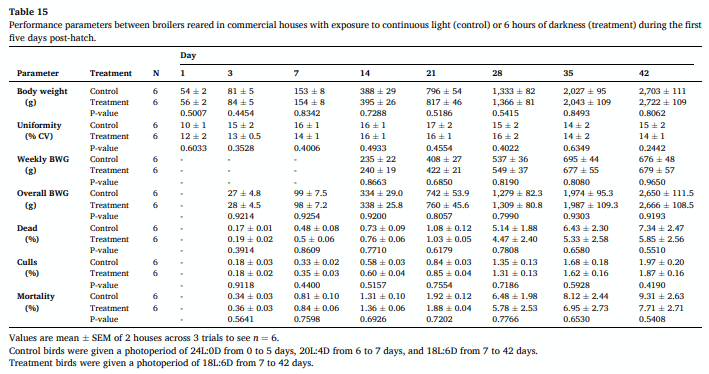
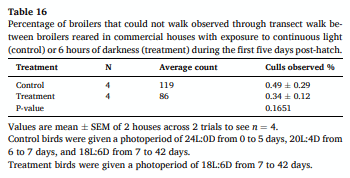
No statistically significant differences between treatment and control houses in BW, BWG, and uniformity were observed. Although the control houses showed a numerical increase in percent mortality, this difference did not differ statistically (Table 15). Similarly, the percentage of lame birds on Day 42 were numerically higher in the control houses but did not differ statistically (Table 16).
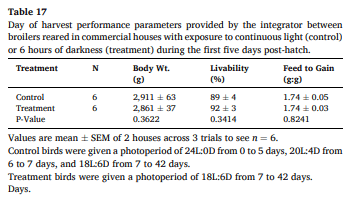
Performance data on the day the birds were caught and processed Day 47 (Trials 1 and 2) and Day 45 (Trial 3) provided by the broiler company did not reveal any significant differences in BW, livability, and FCR. It is worth noting that the company data indicated a 50-gram weight difference between the treatment and control houses, contrasting with the weights collected by the researchers. This discrepancy could be attributed to logistical inaccuracies, such as keeping coops of birds from different houses on separate trucks (Table 17). Even in the presence of IBH, the lighting program did not appear to have a detrimental effect on the health of the birds.
Discussion Experiment 4
The differences in performance results compared to the pen trials may be attributed to sample size, field conditions, and the presence of IBH, given that no performance differences were observed between the control and treatment houses over the course of the commercial flocks. The numerically higher mortality rate in the control houses may be associated with the early dark period. More controlled challenge studies may be needed to better understand how the physiological responses caused by dark periods during brooding affect disease-challenged birds.
A higher sample size (houses/treatment) would improve the evaluation of early dark periods in commercial settings. A systematic approach should be used where an entire complex is used to compare continuous light versus dark periods during brooding. The combination of a larger sample size and the grower’s varying management styles may show significant effects in performance when utilizing dark periods during brooding.
Conclusions and applications
1. These findings challenge the prevailing theory that providing broiler chicks with continuous light yields performance benefits, indicating that such lighting practices do not contribute to improved end-offlock performance.
2. Providing a dark period from the beginning of the flock does not have significant negative impacts on broiler performance as previously thought by many poultry producers.
3. Including a dark period during brooding significantly increases melatonin setpoint in broilers.
4. This approach may address the key challenges of performance and animal welfare compatibility while ensuring practicality and affordability for broiler producers.
Declaration of competing interest
The authors declare no conflicts of interest.
Acknowledgements
This work was funded by the US Poultry and Egg Association. The authors would like to thank the UGA Poultry Research Center Staff as well as the undergraduate and graduate students (Grey Miller, Sarah Levan, Shek Berry, Chris Ayers, Blake Ivy, Jayla Andrews, Emily Edelman, Cooper Mattocks, Grant Bennet, Ramesh Bist, Rachal Osborn, Kristin Miles, William Strickland, and Catherine Fudge) for their assistance during the research.
This article was originally published in Journal of Applied Poultry Research 34 (2025) 100558. https://doi.org/10.1016/j.japr.2025.100558. This is an Open Access article under the CC BY-NC-ND license (http://creativecommons.org/licenses/by-nc-nd/4.0/).