Explore

Advertise on Engormix

Interaction between feeding regimen, NSPase enzyme and extent of grinding of barley-based pelleted diets on the performance, nutrient digestibility and ileal microbiota of broiler chickens

Published: December 22, 2025
Source : K. Itani 1, M. Ahmad 1, S. Ghimire 1, R. B. Schüller 2, J. Apajalahti 3, A. Smith 4 and B. Svihus 1 / 1 Department of Animal and Aquacultural Sciences, Norwegian University of Life Sciences, Ås, Norway; 2 Faculty of Chemistry, Biotechnology and Food Science, Norwegian University of Life Sciences, Ås, Norway; 3 Department of Microbiology, Alimetrics Ltd, Espoo, Finland; 4 Department of Feed Optimization, DSM-Firmenich Ltd, Heanor, Derbyshire, UK.
Summary

1. The effects of feeding regimen, NSPase, extent of grinding and their interaction on the performance, digestive tract characteristics and ileal microbiota were studied. Eleven-day-old Ross 308 male broilers were given ad libitum (ADL) or intermittent (INT) access to finely (FG) or coarsely (CG) ground barley-based pelleted diets, with or without NSPase in a replicated pen trial. All birds had 4 h darkness separated with 1 h light periods with feed access. In addition, INT birds had access to feed through three 1 h feeding periods and one 2 h feeding period, with 3 h feed restriction periods in between.

2. The INT feeding decreased weight gain (p < 0.001) but did not affect FCR. Supplementation with NSPase increased (p = 0.018) weight gain, but there was a tendency (p = 0.063) for it to be improved in INT-fed birds only. Including NSPase improved FCR, but only with FG diets (p = 0.037) and in INT group (p = 0.033).

3. The CG diet significantly reduced (p = 0.044) pH of the gizzard contents and increased (p = 0.035) gizzard relative weight compared to FG. Addition of NSPase (p < 0.001) or FG (p = 0.049) reduced jejunal digesta viscosity. The FG diet improved (p = 0.019) starch digestibility compared to CG. In NSPase-supplemented diets, CG increased ileal protein digestibility compared to FG in birds fed ADL only, resulting in a three-way interaction(p = 0.012).

4. The FG diet increased ileal concentration of total eubacteria and Lactobacillus spp. (p = 0.049), whilst INT feeding increased ileal concentration of Streptococcus spp. (p = 0.001). In NSPase-containing diets, FG increased ileal density of Enterococcus spp. in INT-fed birds (p = 0.027).

5. In conclusion, finely-ground barley in pelleted diets responded better to NSPase enzymes than coarsely ground, particularly under INT feeding.

Introduction

Barley is one of the main cereals produced in Norway and is used in broiler feed in low amounts due to high content of non-starch polysaccharides (NSP) (Bedford 1995; Knudsen 2014; Svihus and Gullord 2002) and lower energy value compared to maize, wheat or sorghum (Choct and Annison 1990; Khalil et al. 2020). The NSP fractions comprising soluble βglucans and arabinoxylans have gel-forming characteristics and are known to increase intestinal viscosity (Choct 2006), which negatively impacts nutrient digestibility, intestinal microbial balance and growth performance (Almirall et al. 1995; Rodríguez et al. 2012). Addition of exogenous NSPhydrolysing enzymes (NSPase) to diets containing a considerable amount of barley has therefore become a common practice to mitigate the well-documented deleterious effects of soluble β-glucans on broiler chickens (Aftab and Bedford 2018; Fernandes et al. 2016; Palander et al. 2005).
Nonetheless, the effect and stability of NSPase have not always been consistent and large variability in bird response has been reported (Karunaratne et al. 2021; Ponte et al. 2008; Yu et al. 1998). For instance, unfavourable conditions during feed processing reduced ß-glucanase activity by 50% (Lamp et al. 2015) and, besides the crop, insignificant exogenous ß-glucanase activity was detected in the gizzard (Ribeiro et al. 2008) or small intestine of broilers (Fernandes et al. 2016). This could have been due to the deactivation of the enzyme in the sub-optimal acidic conditions of the gizzard (Ravindran 2013). Another factor that may limit the efficacy of NSPase is the relatively short retention time of digesta in the digestive tract of ad libitum-fed (ADL) birds, especially those given pelleted diets (Svihus 2014). The development of heat-stable NSPase or postpelleting application has addressed the problem of enzyme stability during feed processing to a large extent (Amerah et al. 2011; Barasch and Grimes 2021). However, achieving optimum pH for exogenous enzymes in the crop either through the use of a feed acidifier (Ao et al. 2009; Hernandez et al. 2006) or by having a sufficient feed retention time in the crop may be important. It is known that meal form or intermittent (INT) feeding promotes crop function, particularly in the storage of large quantities of feed for a prolonged period of time (Classen et al. 2016; Sacranie et al. 2012; Svihus 2014). This enhances feed hydration and stimulates bacterial fermentation (Abbas-Hilmi et al. 2007), leading to a reduction in crop pH and an optimal environment for exogenous enzyme activity, for example, as shown for phytase (Kristoffersen et al. 2021; Svihus et al. 2010).
With the assumption that feed acidification and INT feeding could enhance NSPase efficacy, the response of barley particle size to these manipulations combined has not yet been explored. Nonetheless, the effect of barley particle size in pelleted diets containing NSPase on broiler performance has been tested, but results were inconclusive. For instance, no differences in weight gain and feed intake (Perera et al. 2020) or in FCR (Tari et al. 2022) were detected between groups of broilers fed NSPase-supplemented pelleted diets based on coarsely- or finely-ground barley. However, Amerah et al. (2008) concluded that xylanase effectiveness in wheat-based diets was influenced by wheat particle size, with coarse grinding being more favourable. Corroborating this, heat processing is known to increase the solubilisation of NSPs in viscous grains, and fine grinding (FG), in particular, exacerbates this effect by raising intestinal viscosity (Bedford 2006; García et al. 2008). This lowers the effectiveness of exogenous NSPase as well as endogenous enzymes (Amerah et al. 2008; Jiménez-Moreno et al. 2010), thereby hindering the digestion process and encouraging the colonisation of harmful bacteria (Zaefarian et al. 2016).
Despite the beneficial effect of FG of main ingredients on pellet quality, it can be assumed that it has no gizzard-stimulating effect due to a decreased coarseness of microstructure (Svihus 2011). This may be disadvantageous for nutrient digestibility, for instance nitrogen (Tari et al. 2022), FCR (Abdollahi et al. 2019) and gut microbiota (Abadi et al. 2019). However, in case of barley-based diets, the negative effect of FG would potentially be offset due to the ability of insoluble fibre in barley hulls to retain some microstructure despite being finely ground.
The purpose of the following study was to test the hypothesis that the potential negative effect of FG of barley on broiler performance, nutrient digestibility and ileal microbiota would be rectified by an increased NSPase efficacy under INT feeding.

Materials and methods

Ethical statement

The trial was conducted under the ethical guidelines of the Norwegian Food Safety Authority, Mattilsynet, 0170 Oslo, Norway.

Experimental diets and processing

Experimental barley-based diets were processed at the Centre for Feed Technology, Norwegian University of Life Sciences, Ås, Norway. The barley, wheat, maize and SBM were either finely or coarsely ground to pass through a 2 or 6 mm sieve, respectively, in a hammer mill (Münch-Edelstahl, Wuppertal, Germany licenced by Bliss, U.S.A., 18.5 kW, 3000 RPM) before being mixed with other ingredients.
The mash was steam-conditioned at 64°C, in a double pass pellet-press conditioner (Münch-Edelstahl, Wuppertal, Germany) and then pelleted at a rate of 0.7 t/h using a pellet press (Münch- Edelstahl, Wuppertal, Germany, 1.2 t/h, 2 × 17 kW, RMP 350) equipped with a 3 mm diameter die and 36 mm effective length with 6 mm knife distance and approximately 1 mm roller-die gap. All diets contained 0.7% formic acid (FA, concentration 85%) which was sprayed and mixed with the pellets in a twin-shaft paddle mixer (Dinnissen, Netherlands) and TiO2 was used as an indigestible marker.

Bird management

A total of 1408, one-day-old male broilers (Ross 308) were allocated to 64 floor pens (2.4 × 0.95 m) bedded with wood shavings and kept on a commercial starter diet until day 10. The pens were located in a large room in the poultry house at the Centre for Livestock Production (SHF) at the Norwegian University of Life Sciences. The room was environmentally controlled, and a temperature of 33°C was maintained during the first week, then reduced by 3–4°C weekly to a minimum temperature of 21°C. The birds had 23 h of light during the first three days, and 18 h of light from 04:00 to 22:00 until d 10. From d 11, the birds were randomly distributed among eight dietary treatments with eight replicate pens each containing 22 birds per pen. The birds had either ad libitum (ADL) or intermittent (INT) access to barley-based pelleted diets supplemented or not with NSPase, and with main ingredients either finely (2 mm) or coarsely (6 mm) ground, thus constituting a 2x2x2 factorial arrangement of treatments. All birds were given 8 h darkness (22:00 to 02:00 and 03:00 to 07:00) interrupted with 1 h of light (02:00 to 03:00) and access to feed. From 07:00 to 22:00, ADL birds had 15 h of continuous access to feed. Birds in the INT group were given four feeding bouts from 07:00 to 08:00, 11:00 to 12:00, 15:30 to 16:30 and 20:00 to 22:00. Between the feeding bouts, feeders were raised high enough to ensure complete feed withdrawal. In total, ADL birds had 16 h and INT had 6 h of feed access.

Growth performance

Body weight per cage was recorded on d 1, 11 and 33. Feed intake (FI) was registered daily using automatic weighing scales mounted on each feeding bin. Mortality was registered daily, and the weight of the dead birds was recorded. FI was corrected for mortality to adjust feed conversion ratio (FCR).

Sample collection

Eight replicate birds per treatment were killed for tissue and digesta collection. Four replicate INT birds were killed on d 28 and 29. Four replicate ADL birds were killed on d 28 but those killed on d 29 were unintentionally taken from the same pens as those killed on d 28, (i.e., not true replicates) and were excluded. The other four replicate birds were killed on d 32 instead. The INT-fed birds had 1 h access to feed, then, killing took place 2 h after commencement of feeding, and every 15 min thereafter. The ADL-fed birds were given 5 h of access to feed and then were killed over a continuous period, while feed was still provided. The birds were killed by cervical dislocation and a plastic zip tie was placed on the bird’s neck immediately to prevent loss of crop contents. The crop was then dissected out, and its contents were emptied in a 100 ml container and homogenised for pH measurement using a pH metre directly into the sampling container. The gizzard was removed, freed from surrounding fat and pH of the contents was measured by inserting the electrode directly into the gizzard before recording the full and empty weights. Digesta from the jejunum was placed in a pre-weighed container and frozen at − 20°C until viscosity analysis. The ileum was divided into two parts of equal length, and content from the lower ileum emptied in a preweighed container, homogenised and two samples of 1 ml each transferred to two 2 ml cryotubes and frozen on dry ice for microbiota analysis. Then, the content from the upper ileal part was added to the rest of the contents and frozen. The pancreas and liver were removed and weighed.

Chemical and physical analyses

Feed samples were ground on a cutting mill (Pulverisette 19, Fritsch Industriestr. 8, 55743 Idar-Oberstein, Germany) through a 0.5 mm sieve. Dry matter (DM) and ash content of the feed were determined after drying overnight at 105°C and after 6 h ashing at 550°C, respectively. Nitrogen content was determined by the Dumas method using a Vario El Cube (Elementar Analysensysteme GmbH, Hanau, Germany). Amino acid concentration in the protein ingredients and diets was determined using a Biochrom 30 amino acid analyser (Biochrom Ltd., Cambridge, UK). Ether extract was determined after extraction with 80% petroleum ether and 20% acetone in an accelerated solvent extractor from Dionex (ASE200; Sunnyvale, CA, U.S.A.). Starch content was analysed enzymatically based on the use of thermostable α-amylase and amylo-glucosidase (Mccleary et al. 1994). Crude fibre and NDF content were determined using a fibre analyser system (Ankom200; ANKOM Technologies, Fairport, NY, U.S.A.) using filter bags (Ankom F58; ANKOM Technologies). Total NSP (Soluble and insoluble) were determined according to Englyst et al. (1994). Phosphorus, calcium, potassium and sodium were analysed spectrophotometrically after microwave digestion (Start D Microwave digestion system (Milestone, Sorisole- Italy) and using MP-AES (Microwave Plasma Atomic Emission Spectrometer, Agilent Technologies, Santa Clara, United States), according to the method of Commission Regulation (EC No 152/2009 27 January 2009). The TiO2 marker was measured according to the method described by Short et al. (1996). Pellet durability (PDI) was measured using a Holmen pellet tester (Holmen Chemical Ltd., Borregaard Group, Norsolk, UK), as described by Zimonja and Svihus (2009). Ground barley samples were dry-sieved through a series of sieves for 1 min at a vortexing amplitude of 1.2 mm in an analytical sieve shaker (AS 200 control, Retsch, Haan, Germany). Wet sieving of pelleted diets was performed according to the method described by Rodgers et al. (2012). Frozen jejunal samples were thawed by placing the containers in luke warm water and around 5 ml per replicate was centrifuged (5810 R Eppendorf, Hamburg, Germany) at 10 000 rpm for 10 min at 15°C. Approximately 1.0–1.5 ml supernatant per sample was collected in Eppendorf tubes using a micropipette and frozen immediately until further processing. For viscosity analysis, 0.5 ml supernatant was analysed on a Rheometer (Anton Paar MCR301, Graz, Austria) with the temperature set to 40°C. The viscosity was obtained in millipascal-second (mPa⋅s). Readings were recorded every 6 s and an average of five readings per sample was taken. Xylanase activity (representing the NSPase used) in feed samples was measured at Biopract GmbH (Berlin, Germany) to confirm the minimal dose targeted. The percentage xylanase recovery was calculated by subtracting the averaged analysed value of xylanase activity in the supplemented diets from the non-supplemented diets, then dividing the difference by the theoretical xylanase activity value listed on the product.
DNA extraction
Microbial DNA was extracted from ileal digesta samples using the following protocol. Initially, 0.2 g of homogenised ileal digesta sample was suspended in 2 ml of 50 mm phosphate buffered saline with EDTA and vortexed vigorously for 5 min. Solid particles of the suspension were sedimented on ice for 20 min. The supernatant was transferred to a clean microcentrifuge tube and subjected to centrifugation at 18 000 × g for 10 min to pellet the bacterial cells. Subsequently, the pellet was re-suspended in 600 μl of 50 mm phosphate lysis buffer containing 100 mm Tris and 50 mm EDTA (pH 8.0) with 20 μl of proteinase K (20 mg/ml; Roche Diagnostics GmbH, Germany). The suspension was transferred to a screw-cap microcentrifuge tube containing 0.4 g of sterile glass beads and the suspensions were incubated at 65°C for 60 min and vortexed for 30 s (1,400 rpm) at 10 min intervals. The bacterial cells were disrupted by three 1 min rounds of bead beating (MP Biomedicals, U.S.A.) at 6.5 m/s. Cetyltrimethylammonium bromide (CTAB; 95 μl) and 5 M sodium chloride (105 μl) were added into screw-cap microcentrifuge tubes, which were incubated in a water bath at 65°C for 20 min with shaking for 30 s at 5-min intervals. Genomic DNA was purified from the homogenates by phenol-chloroform-isoamyl alcohol (25:24:1) extraction at 10 000 × g for 10 min, followed by chloroform-isoamyl alcohol (24:1) purification at 10 000 × g for 10 min. The DNA was precipitated by addition of 0.6 volumes of 100% isopropanol and pelleted by centrifugation at 18 000 ×g for 15 min. Finally, the DNA pellet was washed twice with 1 ml of ice cold 70% ethanol, dried and re-suspended in 100 μl of Tris-EDTA buffer with 10 mm Tris and 1 mm EDTA (pH 8.0; AppliChem, Germany).

Real-time PCR

Real-time PCR was performed with an ABI Prism Sequence Detection System 7500 instrument (Life Technologies, U.S.A.). The amplifications were performed in a volume of 15 μl with SYBR Select Master Mix (Life Technologies, U.S.A.), 0.25 μM of both primers, and 5 μl of template DNA (1:100 or 1:1000 dilution of stock DNA preparations) or deionised sterile water as a no-template control (NTC). The thermal cycling conditions used involved one cycle of preheating at 50°C for 2 min and initial denaturation at 95°C for 10 min followed by 40 cycles of denaturation at 95°C for 15 s and primer annealing and extension at primer-specific annealing temperature for 60 s. To determine the specificity of the PCR reactions, a melting curve analysis was carried out in conjunction with each amplification run by slow cooling from 95°C to 60°C, with fluorescence collection at 0.3°C intervals. Ten-fold serial dilutions ranging from 1 × 10⁸ to 1 × 10² of synthetic gene copies of each target microorganism (gBlocks® Gene Fragments, IDT, U.S.A.) were included on each 96-well plate. The fractional cycle number at which the fluorescence passed the threshold (set at 0.7 fluorescent units) was determined for the ileal DNA samples and compared against the standard curves. Considering the original amount of starting material, elution volume and qPCR template dilution, the numbers of microbial gene targets per gram of ileal digesta were determined.

Statistical analysis

Statistical analyses were performed using general linear models in R (Fox 2005). A three-way analysis of variance (ANOVA) was performed to determine the main effects and interactions of feeding regimen, extent of grinding and NSPase addition on growth variables, digestive characteristics, nutrient digestibility and microbial density. All data sets were tested for normality using the Shapiro–Wilk test. Homogeneity of variances was tested using Levene’s test. Means were separated by Tukey post-hoc test. Differences between means were considered significant when p < 0.05 and tendencies if p-values were between 0.05 and 0.10. The pen served as the experimental unit for all measured parameters.

Results

Dietary characteristics

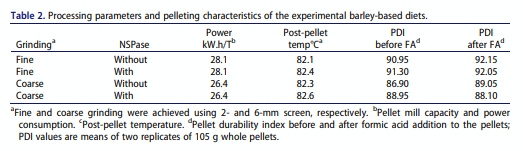
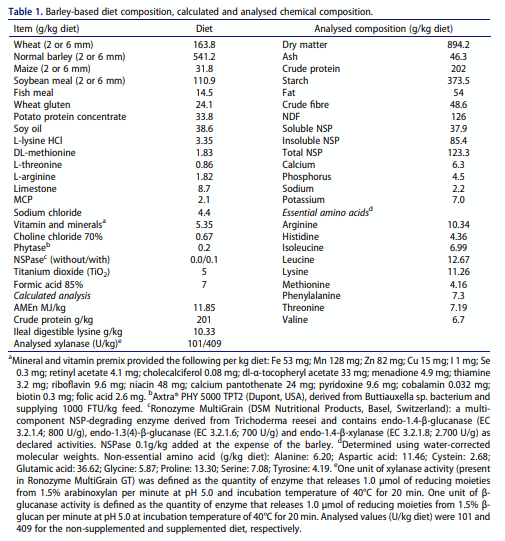
The analysed chemical composition of the diets is shown in Table 1 and feed processing variables and physical quality characteristics of the diets are shown in Table 2.
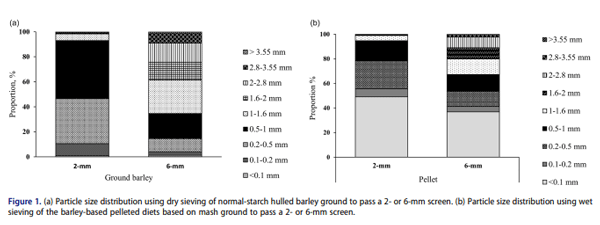
Post-pelleting temperatures were similar for all diets. The pellet density (PDI) values were numerically higher with FG and were in general improved post FA application. Particle size distribution (PSD) of ground barley using dry sieving and pelleted diets using wet sieving is shown in Figures 1a and 1b, respectively.
The CG diet resulted in a wider variation of PSD with larger proportion of coarser particles, notably those between 1.00 and 3.55 mm. In pelleted diets, differences between diets persisted, particularly in the proportion of coarse particles (1 to 2.8 mm). The diet without NSPase had a xylanase activity of 101 U/kg, whereas the diet with NSPase had a xylanase activity of 409 U/kg indicating the enzyme recovery to be 118%. Xylanase recovery was used as a representative of the three main activities in Ronozyme MultiGrain due to the fact that all activities were thermo-protected in the same way.

Growth performance and nutrient digestibility
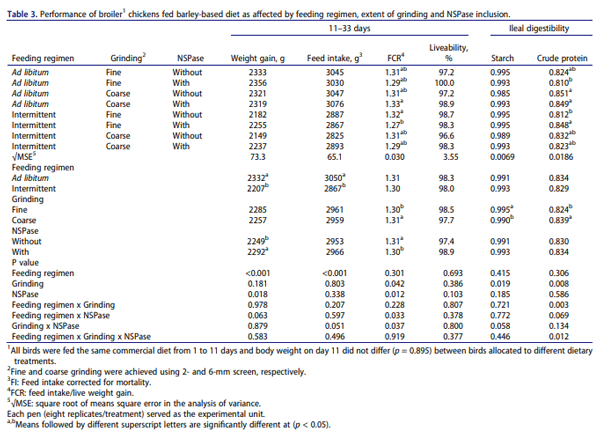
Although ADL group gained more weight due to a higher feed intake (p < 0.001), they had similar FCR (p = 0.301) compared to the INT group (Table 3). Supplementation of NSPase increased (p = 0.018) BWG and tended (p = 0.063) to interact with feeding regimen because the effect of NSPase addition on BWG was larger under INT feeding. Addition of NSPase tended (p = 0.051) to increase FI in CG while the opposite effect was observed for FG. There were interactions between (p = 0.037) extent of grinding and enzyme addition, and between (p = 0.033) feeding regimen and enzyme addition as under INT feeding, NSPase improved FCR in finely ground diets only. Compared to CG, FG improved (p = 0.019) starch digestibility. There was a tendency for NSPase (p = 0.058) to improve starch digestibility in the coarsely ground diet only. In NSPase-supplemented diets fed ADL, CG resulted in higher ileal digestibility of protein than FG, whereas under INT feeding, no difference between grinding levels was evident. This resulted (p = 0.012) in a three-way interaction between feeding regimen, grinding and NSPase.
Table 1. Barley-based diet composition, calculated and analysed chemical composition.
Table 2. Processing parameters and pelleting characteristics of the experimental barley-based diets.
Figure 1. (a) Particle size distribution using dry sieving of normal-starch hulled barley ground to pass a 2- or 6-mm screen. (b) Particle size distribution using wet sieving of the barley-based pelleted diets based on mash ground to pass a 2- or 6-mm screen.
Table 3. Performance of broiler1 chickens fed barley-based diet as affected by feeding regimen, extent of grinding and NSPase inclusion.

Digestive tract characteristics and jejunal viscosity

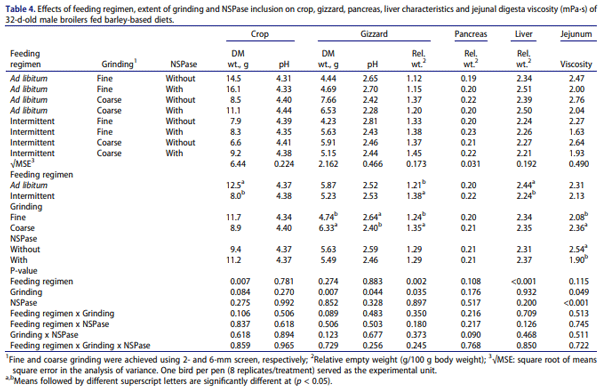
As shown in the Table 4, ADL-fed birds had more crop DM content (p = 0.007) compared to INT-fed birds and there was a tendency for a higher DM content with FG diets (p = 0.084). The pH in the crop was not affected by any dietary treatment (p > 0.1). Gizzard relative weight (p = 0.035) and DM weight of the contents (p = 0.007) were higher with the CG diets. Gizzard relative weight was greater with INT feeding (p = 0.002). The pH of the gizzard contents was significantly lower (p = 0.044) with CG compared to FG diets and was not affected by any other dietary treatments. There was a tendency (p = 0.090) for NSPase to increase pancreas relative weight for the FG diet only. The ADL birds had significantly increased relative weight of liver. No interactions were observed between any of the factors on jejunal viscosity (p > 0.1) but NSPase addition (p < 0.001) and FG diets (p = 0.049) significantly reduced jejunal viscosity.
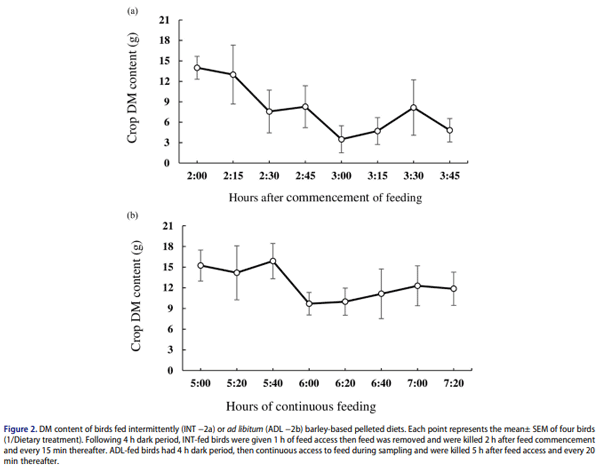
As shown in Figure 2, crop DM contents decreased gradually over time, and, despite the lack of feed availability in the INT group, the crop of birds given 1 h access to feed, still contained approximately 5 g DM, after around 3 h of feed removal.

Ileal microbiota

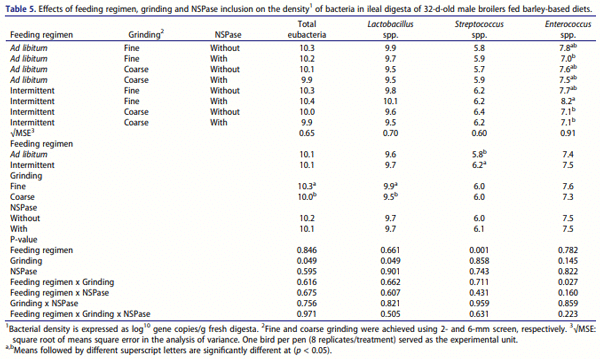
Compared to the CG diet, FG increased (p < 0.05) total eubacteria and Lactobacillus spp. density (Table 5). There was a higher density (p = 0.001) of Streptococcus spp. in the ileal digesta of INT-fed birds compared to those fed ADL. In NSPase-supplemented diets, the FG diet increased Enterococcus spp. only in INT-fed birds, resulting in an interaction (p = 0.027) between feeding regimen and extent of grinding.

Discussion

As expected, crop DM content decreased over time. However, the results showed rapid initial crop emptying followed by a more gradual and fluctuating reduction in crop contents and, despite the lack of feed availability with INT feeding, the crop of birds given 1 h access to feed (following 4 h feed withdrawal) still contained, after around 3 h of feed removal, approximately 5 g DM. A similar crop DM content was reported after 3 h of feed removal in birds given 40 to 60 min feed access (Kristoffersen et al. 2021; Sacranie et al. 2017). The presence of DM in the crop after around 3 h of feed removal indicated that the birds consumed and stored large quantities of feed in response to discontinuous feeding, as previously reported (Classen et al. 2016; Sacranie et al. 2012; Svihus 2014).
Contrary to previous observations (Sacranie et al. 2017), there was more DM content in the crop of ADL- compared to INT-fed birds (12.5 vs. 8 g). In a field assessment of crop DM content of ADL-fed broilers raised in four commercial farms, 66% of the birds at 30 d of age had between 0 and 10 g DM in their crop, with the majority of these birds having between 0–7 g (Kristoffersen et al. 2022). Svihus et al. (2010) reported that 78% of ADL fed broilers (aged 31 or 39 d) had less than 5 g of DM in the crop. Sacranie et al. (2012) found that INT-fed birds had more than double the amount of DM in the crop compared to those fed ADL. Although these results demonstrated that ADL feeding did not stimulate crop use in broilers, it may be plausible that under the condition of the current experiment, ADL birds were copying their INT counterparts in their feeding behaviour. For example, by consuming large amounts of feed as an anticipation for lack of feed availability (Fondevila et al. 2020) during night time. This, and the fact that ADL group had continuous access to feed during sample collection, may have contributed to the higher-than-expected DM content in the crop of ADL-fed birds.
Table 4. Effects of feeding regimen, extent of grinding and NSPase inclusion on crop, gizzard, pancreas, liver characteristics and jejunal digesta viscosity (mPa⋅s) of 32-d-old male broilers fed barley-based diets.
Figure 2. DM content of birds fed intermittently (INT −2a) or ad libitum (ADL −2b) barley-based pelleted diets. Each point represents the mean± SEM of four birds (1/Dietary treatment). Following 4 h dark period, INT-fed birds were given 1 h of feed access then feed was removed and were killed 2 h after feed commencement and every 15 min thereafter. ADL-fed birds had 4 h dark period, then continuous access to feed during sampling and were killed 5 h after feed access and every 20 min thereafter.
High xylanase recovery in the diets indicated the stability of the NSPase under the current pelleting conditions. In agreement with recent studies, NSPase addition increased BWG and improved FCR (Hashemi et al. 2017; Munyaka et al. 2016; Perera et al. 2019). The mechanism by which NSPase exerts its effect is through its ability to disrupt the cell-wall matrix of cereal grains and partially depolymerise the soluble NSP, thereby releasing encapsulated nutrients, decreasing digesta viscosity and enhancing nutrient utilisation (Classen et al. 1985; Kaczmarek et al. 2014; Meng and Slominski 2005; Meng et al. 2005). However, despite the main effect of NSPase, a more interesting observation was the improvement in BWG that tended to be larger in INT-fed birds. Similarly, the magnitude of improvement in FCR in response to NSPase was more pronounced under INT feeding, particularly with FG. In line with previous reports, INT feeding stimulated gizzard development. In addition to the possibility of litter intake (Sacranie et al. 2012), this may have been due to the consumption of the daily allowance over a short period of time, which caused an increase in the weight of the foregut (Barash et al. 1993; Buyse et al. 1993; Rodrigues and Choct 2018). This suggests that, by stimulating gizzard development, INT feeding improved enzymeacid-substrate interaction to a greater extent for FG diets, i.e., better digestion, unlike what happened for FG diets under suboptimal gizzard conditions (Wu et al. 2004; Xu et al. 2017).
Contrary to CG, FG diets increased the surface area per volume ratio of cereal grains and facilitated the in-situ gel formation of solubilised NSP, which impeded exogenous enzyme activity (Amerah et al. 2007, 2008). In the current experiment, NSPase addition, as well as FG diets, reduced jejunal viscosity, which was not in agreement with Amerah et al. (2007). The reduction in viscosity due to NSPase may be explained by the action of the enzyme on the soluble NSP as described above, but how the FG diet reduced viscosity was unclear. As mentioned earlier, it is possible that the 2 × 4 h darkness periods stimulated crop storage of feed in ADL and INT-fed birds, although to a different extent. Due to the presumed crop stimulation combined with diet acidification, improved digesta fermentation is plausible (Classen et al. 2016) particularly with the greater release of cell wall components in FG diets due to NSPase in supplemented diets, and/or to the residing bacteria only, in non-supplemented diets. Lactobacillus spp. are one of the most prevalent bacteria in the crop of commercial broilers (Feye et al. 2020) and the most abundant was L. reuteri (ABBAS-HILMI et al. 2007) which has been shown to have high activity of β-glucanase (Otieno et al. 2005).
Table 5. Effects of feeding regimen, grinding and NSPase inclusion on the density1 of bacteria in ileal digesta of 32-d-old male broilers fed barley-based diets.
The crop pH values were lower than observed by Svihus et al. (2013) but were in accord with those from Kristoffersen et al. (2021). Similar to the current results, neither of the aforementioned researchers found any effect of feeding regimen on crop pH. In addition, Kristoffersen et al. (2021) did not find a difference in crop pH when diets containing formic acid were fed by ADL or INT systems. The formic acid may have masked the pH-reducing effect of long digesta retention in the crop caused by INT feeding. Accordingly, the crop of birds without a presumed extensive use (due to ADL feeding) had a similar low pH compared to INT-fed birds. However, Kristoffersen et al. (2021) observed a further reduction in crop pH over time (240 vs. 160 min after start of feeding), with similar pH values for diets with or without formic acid. This indicated that although diet acidification may cause a more rapid decline in crop pH, long retention of non-acidified diets will have a similar effect, albeit at a slower rate.
The INT-fed birds had lower feed intake and weight gain compared to those fed by ADL. Other studies have reported no reduction in these performance parameters with INT feeding, possibly due to the use of an early adaptation period to meal feeding prior to the experiment (Sacranie et al. 2012; Svihus et al. 2010). An improvement in FCR with INT feeding was observed in some studies (Su et al. 1999; Svihus et al. 2010, 2013) while no difference between feeding regimens was recorded by others (Sacranie et al. 2012, 2017). Although speculative, it may be that the length of the dark period induced beneficial effects in the ADL-fed birds, which enabled better use of their crop, and hence their similar FCR to fed INT. However, care must be taken in interpreting FCR results due to the existence of interaction effects as discussed previously.
In line with other studies (Kristoffersen et al. 2021; Sacranie et al. 2012; Svihus et al. 2010), no effect of feeding regimen on starch digestibility was observed, and the only improvement was due to feeding the FG diet, which coincided with reduced viscosity. Although high digesta viscosity depressed starch utilisation (Almirall et al. 1995; Choct et al. 1999), the difference in starch digestibility between the FG and CG diets was small. Regardless, starch digestibility values in general were unexpectedly high, and even higher than commonly reported for barley-based diets (Perera et al. 2020, 2021; Svihus 2001). One likely reason is that the barley used contained low concentration and low molecular-weight soluble NSP (Cowieson et al. 2005) and a high ratio of amylopectin to amylose (Martens et al. 2018). Corroborating this, and despite the variation due to method of analysis and sample processing, jejunal viscosity values were lower than previously measured in barley-based pelleted diets (Perera et al. 2020, 2021; Perera et al. 2023). Freezing the digesta is known to modify the soluble NSP structure and thereby might be another factor contributing to overall low jejunal digesta viscosity values. In the NSPase-containing diets fed ADL, those with CG resulted in higher ileal protein digestibility compared to FG, however under INT feeding, this difference was not evident. However, NSPase addition to the FG diet improved protein digestibility under INT feeding only. This result suggests the heightened efficacy of NSPase when combined with FG diets and INT feeding on protein digestibility. According to Kaczmarek et al. (2014) and Meng and Slominski (2005), NSPase may disrupt cell wall structure, thereby releasing additional structural proteins, as well as eliminating the encapsulating effect of the cell wall on other protein fractions.
Because of the natural competition between the microbiota and the host for nutrients (Rinttilä and Apajalahti 2013), an extremely high concentration of even beneficial bacteria in the small intestine may not be advantageous to the bird (Engberg et al. 2002; Smits et al. 1998). In the current experiment, feed regimen did not affect total eubacteria or Lactobacillus spp. levels in the ileum. However, these were more affected by the degree of grinding. It has been wellestablished that CG stimulates gizzard function (Svihus 2011), and lengthens the exposure of digesta to enzymes and HCl, which in turn hinders bacterial overgrowth and/ or pathogenic bacteria from entering the small intestine (Engberg et al. 2004; Singh et al. 2019). The lower density of total eubacteria in birds fed the CG diet was therefore logical. However, the growth performance results indicated that, even though FG diets increased total eubacteria, the density level was not high enough to affect liveability or performance. The association between total eubacteria density and bird performance remains to be clarified.
In general, INT-fed birds had higher concentrations of Streptococcus spp. in the ileum and more Enterococcus spp. when given fine diets with NSPase compared to their counterparts fed the same diet under the ADL system. Torki et al. (2018) reported improved performance, gut morphology and higher abundance of the Enterococcus spp. in the ileum of broilers fed diets supplemented with 50 g/kg oat hulls compared to a control diet. Engberg et al. (2002) observed higher Enterococcus count in the ileum of pellets-fed birds which grew faster, utilised feed more efficiently and had a similar mortality compared to their mash-fed counterparts. Li et al. (2021) noted higher relative abundance of Streptococci spp. in the ileum of birds subjected to normal compared to a high stocking density. Further, an increase in the ileal Streptococcus spp. population was accompanied with improved growth and better ileal morphometry (Ur Rahman et al. 2017). The generally high ileal digestibility of starch and protein indicated that the current barley-based diets did not generate excessively high amount of undigested nutrients, which otherwise would be used as substrate for harmful bacteria (Apajalahti and Vienola 2016). It may be that the birds adapted with age to the barley diets (Philip et al. 1995; Yu et al. 1998) and that wider differences in digestibility, microbiota and digesta viscosity would have existed at younger age. Thus, sample collection at earlier growth period is more likely to show potential differences in the above-mentioned parameters.

Conclusions

Finely-ground barley in pelleted diets responded better to NSPase enzymes than coarsely-ground, particularly under INT feeding, which is known to increase feed retention in the crop and has been hypothesised to improve the catalytic activity of exogenous enzymes. This improvement was more apparent in weight gain and FCR. It can be suggested that the negative effect of FG diets on protein digestibility seemed to be rectified by the heightened efficacy of NSPase under INT feeding. Although FG increased the density of total eubacteria in the ileum, the combination of FG with NSPase and INT feeding positively impacted bird performance.
     
This article was originally published in British Poultry Science, 2025, VOL. 66, NO. 4, 558–569. https://doi.org/10.1080/00071668.2025.2451245. This is an Open Access article distributed under the terms of the Creative Commons Attribution License (http://creativecommons.org/licenses/by/4.0/).

ABADI, M. H. M. G., H. MORAVEJ, M. SHIVAZAD, M. A. K. TORSHIZI, and W. K. KIM. 2019. “Effects of Feed Form and Particle Size, and Pellet Binder on Performance, Digestive Tract Parameters, Intestinal Morphology, and Cecal Microflora Populations in Broilers.” Poultry Science 98 (3): 1432–1440. https://doi.org/10.3382/ps/ pey488 .

ABBAS-HILMI, H. T., A. SURAKKA, J. APAJALAHTI, and P. E. SARIS. 2007. “Identification of the Most Abundant Lactobacillus Species in the Crop of 1-and 5-Week-Old Broiler Chickens.” Applied & Environmental Microbiology 73 (24): 7867–7873. https://doi.org/10. 1128/AEM.01128-07 .

ABDOLLAHI, M. R., F. ZAEFARIAN, and V. RAVINDRAN. 2019. “Maximising the Benefits of Pelleting Diets for Modern Broilers.” Animal Production Science 59 (11): 2023–2028. https://doi.org/10.1071/ AN19254 .

AFTAB, U., and M. BEDFORD. 2018. “The Use of NSP Enzymes in Poultry Nutrition: Myths and Realities.” World’s Poultry Science Journal 74:277–286. https://doi.org/10.1017/S0043933918000272 .

ALMIRALL, M., M. FRANCESCH, A. M. PEREZ-VENDRELL, J. BRUFAU, and E. ESTEVE-GARCIA. 1995. “The Differences in Intestinal Viscosity Produced by Barley and Beta-Glucanase Alter Digesta Enzyme Activities and Ileal Nutrient Digestibilities More in Broiler Chicks Than in Cocks.” The Journal of Nutrition 125 (4): 947–955. https:// doi.org/10.1093/jn/125.4.947 .

AMERAH, A., C. GILBERT, P. SIMMINS, and V. RAVINDRAN. 2011. “Influence of Feed Processing on the Efficacy of Exogenous Enzymes in Broiler Diets.” World’s Poultry Science Journal 67:29–46. https://doi.org/10. 1017/S0043933911000031 .

AMERAH, A. M., V. RAVINDRAN, R. G. LENTLE, and D. G. THOMAS. 2008. “Influence of Particle Size and Xylanase Supplementation on the Performance, Energy Utilisation, Digestive Tract Parameters and Digesta Viscosity of Broiler Starters.” British Poultry Science 49 (4): 455–462. https://doi.org/10.1080/00071660802251749 .

AMERAH, A., V. RAVINDRAN, R. LENTLE, and D. THOMAS. 2007. “Feed Particle Size: Implications on the Digestion and Performance of Poultry.” World’s Poultry Science Journal 63:439–455. https://doi. org/10.1017/S0043933907001560 .

AMERAH, A., V. RAVINDRAN, R. LENTLE, and D. THOMAS. 2008. “Influence of Feed Particle Size on the Performance, Energy Utilization, Digestive Tract Development, and Digesta Parameters of Broiler Starters Fed Wheat-And Corn-Based Diets.” Poultry Science 87 (11): 2320–2328. https://doi.org/10.3382/ps.2008-00149 .

AO, T., A. CANTOR, A. PESCATORE, M. FORD, J. PIERCE, and K. DAWSON. 2009. “Effect of Enzyme Supplementation and Acidification of Diets on Nutrient Digestibility and Growth Performance of Broiler Chicks.” Poultry Science 88 (1): 111–117. https://doi.org/10.3382/ ps.2008-00191 .

APAJALAHTI, J., and K. VIENOLA. 2016. “Interaction Between Chicken Intestinal Microbiota and Protein Digestion.” Animal Feed Science and Technology 221:323–330. https://doi.org/10.1016/j.anifeedsci. 2016.05.004 .

BARASCH, I., and J. GRIMES. 2021. “The Effect of a Heat-Stable Xylanase on Digesta Viscosity, Apparent Metabolizable Energy and Growth Performance of Broiler Chicks Fed a Wheat-Based Diet.” Poultry Science 100 (9): 101275. https://doi.org/10.1016/j.psj.2021.101275 .

BARASH, I., Z. NITSAN, and I. NIR. 1993. “Adaptation of Light‐Bodied Chicks to Meal Feeding: Gastrointestinal Tract and Pancreatic Enzymes.” British Poultry Science 34 (1): 35–42. https://doi.org/10. 1080/00071669308417560 .

BEDFORD, M. 1995. “Mechanism of Action and Potential Environmental Benefits from the Use of Feed Enzymes.” Animal Feed Science and Technology 53 (2): 145–155. https://doi.org/10.1016/0377-8401(95) 02018-U .

BEDFORD, M. R. 2006. “Effect of Non-Starch Polysaccharidases on Avian Gastrointestinal Function.” In Avian Gut Function in Health and Disease, 159–170. Vol. 7. Oxon: Wallingford.

BUYSE, J., D. ADELSOHN, E. DECUYPERE, and C. SCANES. 1993. “Diurnal‐ Nocturnal Changes in Food Intake, Gut Storage of Ingesta, Food Transit Time and Metabolism in Growing Broiler Chickens: A Model for Temporal Control of Energy Balance.” British Poultry Science 34 (4): 699–709. https://doi.org/10.1080/00071669308417628 .

CHOCT, M. 2006. “Enzymes for the Feed Industry: Past, Present and Future.” World’s Poultry Science Journal 62:5–16. https://doi.org/10. 1079/WPS200480 .

CHOCT, M., and G. ANNISON. 1990. “Anti‐Nutritive Activity of Wheat Pentosans in Broiler Diets.” British Poultry Science 31 (4): 811–821. https://doi.org/10.1080/00071669008417312 .

CHOCT, M., R. J. HUGHES, and M. BEDFORD. 1999. “Effects of a Xylanase on Individual Bird Variation, Starch Digestion Throughout the Intestine, and Ileal and Caecal Volatile Fatty Acid Production in Chickens Fed Wheat.” British Poultry Science 40 (3): 419–422. https://doi.org/10.1080/00071669987548 .

CLASSEN, H., J. APAJALAHTI, B. SVIHUS, and M. CHOCT. 2016. “The Role of the Crop in Poultry Production.” World’s Poultry Science Journal 72:459–472. https://doi.org/10.1017/S004393391600026X .

CLASSEN, H., G. CAMPBELL, B. ROSSNAGEL, R. BHATTY, and R. REICHERT. 1985. “Studies on the Use of Hulless Barley in Chick Diets: Deleterious Effects and Methods of Alleviation.” Canadian Journal of Animal Science 65 (3): 725–733. https://doi.org/10.4141/cjas85- 085 .

COWIESON, A., M. HRUBY, and M. FAURSCHOU ISAKSEN. 2005. “The Effect of Conditioning Temperature and Exogenous Xylanase Addition on the Viscosity of Wheat-Based Diets and the Performance of Broiler Chickens.” British Poultry Science 46 (6): 717–724. https://doi.org/10. 1080/00071660500392506 .

ENGBERG, R. M., M. S. HEDEMANN, and B. B. JENSEN. 2002. “The Influence of Grinding and Pelleting of Feed on the Microbial Composition and Activity in the Digestive Tract of Broiler Chickens.” British Poultry Science 43 (4): 569–579. https://doi.org/10.1080/0007166022000004480 .

ENGBERG, R. M., M. S. HEDEMANN, S. STEENFELDT, and B. B. JENSEN. 2004. “Influence of Whole Wheat and Xylanase on Broiler Performance and Microbial Composition and Activity in the Digestive Tract.” Poultry Science 83 (6): 925–938. https://doi.org/10.1093/ps/83.6.925 .

ENGLYST, H. N., M. E. QUIGLEY, and G. J. HUDSON. 1994. “Determination of Dietary Fibre as Non-Starch Polysaccharides with Gas–Liquid Chromatographic, High-Performance Liquid Chromatographic or Spectrophotometric Measurement of Constituent Sugars.” The Analyst 119 (7): 1497–1509. https://doi.org/10.1039/AN9941901497 .

FERNANDES, V., M. COSTA, T. RIBEIRO, L. SERRANO, V. CARDOSO, H. SANTOS, M. LORDELO, L. FERREIRA, and C. FONTES. 2016. “1, 3-1, 4-β-Glucanases and Not 1, 4-β-Glucanases Improve the Nutritive Value of BarleyBased Diets for Broilers.” Animal Feed Science and Technology 211:153–163. https://doi.org/10.1016/j.anifeedsci.2015.11.007 .

FEYE, K., M. BAXTER, G. TELLEZ-ISAIAS, M. KOGUT, and S. RICKE. 2020. “Influential Factors on the Composition of the Conventionally Raised Broiler Gastrointestinal Microbiomes.” Poultry Science 99 (2): 653–659. https://doi.org/10.1016/j.psj.2019.12.013 .

FONDEVILA, G., J. ARCHS, L. CÁMARA, A. DE JUAN, and G. MATEOS. 2020. “The Length of the Feed Restriction Period Affects Eating Behavior, Growth Performance, and the Development of the Proximal Part of the Gastrointestinal Tract of Young Broilers.” Poultry Science 99 (2): 1010–1018. https://doi.org/10.1016/j.psj.2019.10.011 .

FOX, J. 2005. “The R Commander: A Basic-Statistics Graphical User Interface to R.” Journal of Statistical Software 14 (9): 1–42. https:// doi.org/10.18637/jss.v014.i09 .

GARCÍA, M., R. LÁZARO, M. LATORRE, M. GRACIA, and G. MATEOS. 2008. “Influence of Enzyme Supplementation and Heat Processing of Barley on Digestive Traits and Productive Performance of Broilers.” Poultry Science 87 (5): 940–948. https://doi.org/10.3382/ ps.2007-00266 .

HASHEMI, M., A. SEIDAVI, F. JAVANDEL, and S. GAMBOA. 2017. “Influence of Non-Starch Polysaccharide-Degrading Enzymes on Growth Performance, Blood Parameters, and Carcass Quality of Broilers Fed Corn or Wheat/barley-Based Diets.” Revista Colombiana de Ciencias Pecuarias 30 (4): 286–298. https://doi.org/10.17533/udea. rccp.v30n4a04 .

HERNANDEZ, F., V. GARCIA, J. MADRID, J. ORENGO, P. CATALÁ, and M. MEGIAS. 2006. “Effect of Formic Acid on Performance, Digestibility, Intestinal Histomorphology and Plasma Metabolite Levels of Broiler Chickens.” British Poultry Science 47 (1): 50–56. https://doi.org/10.1080/00071660500475574 .

JIMÉNEZ-MORENO, E., J. GONZÁLEZ-ALVARADO, D. GONZÁLEZ-SÁNCHEZ, R. LÁZARO, and G. MATEOS. 2010. “Effects of Type and Particle Size of Dietary Fiber on Growth Performance and Digestive Traits of Broilers from 1 to 21 Days of Age.” Poultry Science 89 (10): 2197–2212. https://doi.org/10.3382/ps.2010-00771 .

KACZMAREK, S., A. ROGIEWICZ, M. MOGIELNICKA, A. RUTKOWSKI, R. JONES, and B. SLOMINSKI. 2014. “The Effect of Protease, Amylase, and Nonstarch Polysaccharide-Degrading Enzyme Supplementation on Nutrient Utilization and Growth Performance of Broiler Chickens Fed Corn-Soybean Meal-Based Diets.” Poultry Science 93 (7): 1745–1753. https://doi.org/10.3382/ps.2013-03739 .

KARUNARATNE, N. D., H. L. CLASSEN, N. P. AMES, M. R. BEDFORD, and R. W. NEWKIRK. 2021. “Effects of Hulless Barley and Exogenous Beta-Glucanase Levels on Ileal Digesta Soluble Beta-Glucan Molecular Weight, Digestive Tract Characteristics, and Performance of Broiler Chickens.” Poultry Science 100 (3): 100967. https://doi.org/10.1016/j.psj.2020.12.064 .

KHALIL, M., M. ABDOLLAHI, F. ZAEFARIAN, and V. RAVINDRAN. 2020. “Measurement of Ileal Endogenous Energy Losses and True Ileal Digestible Energy of Cereal Grains for Broiler Chickens.” Poultry Science 99 (12): 6809–6817. https://doi.org/10.1016/j.psj.2020.08.072 .

KNUDSEN, K. E. B. 2014. “Fiber and Nonstarch Polysaccharide Content and Variation in Common Crops Used in Broiler Diets.” Poultry Science 93 (9): 2380–2393. https://doi.org/10.3382/ps.2014-03902 .

KRISTOFFERSEN, S., K. ITANI, A. BENZERTIHA, B. KIEROŃCZYK, N. P. KJOS, and B. SVIHUS. 2021. “Effect of Crop Retention Time and Acidification of the Feed on Phytase Efficacy in Broiler Chickens.” British Poultry Science 62 (3): 443–451. https://doi.org/10.1080/00071668.2020. 1870661 .

KRISTOFFERSEN, S., Z. WIŚNIEWSKA, S. KACZMAREK, T. GJEFSEN, N. KJOS, A. COWIESON, and B. SVIHUS. 2022. “Assessment of Crop Usage in Ad Libitum Fed Birds and Short-Term Phytase Efficiency as Affected by Acid Addition.” British Poultry Science 63 (3): 414–420. https:// doi.org/10.1080/00071668.2021.2012126 .

LAMP, A., A. EVANS, and J. MORITZ. 2015. “The Effects of Pelleting and Glucanase Supplementation in Hulled Barley Based Diets on Feed Manufacture, Broiler Performance, and Digesta Viscosity.” Journal of Applied Poultry Research 24 (3): 295–303. https://doi.org/10.3382/ japr/pfv028

LI, Y., S. XING, X. WANG, X. LI, M. ZHANG, and J. FENG. 2021. “Effects of Increasing Stocking Density on the Performance and Ileal Microbiota of Broilers.” Journal of Poultry Science 59 (3): 291–296. https://doi.org/10.2141/jpsa.0210089 .

MARTENS, B. M., W. J. GERRITS, E. M. BRUININX, and H. A. SCHOLS. 2018. “Amylopectin Structure and Crystallinity Explains Variation in Digestion Kinetics of Starches Across Botanic Sources in an in vitro Pig Model.” Journal of Animal Science and Biotechnology 9 (1): 1–13. https://doi.org/10.1186/s40104-018-0303-8 .

MCCLEARY, B., V. SOLAH, and T. GIBSON. 1994. “Quantitative Measurement of Total Starch in Cereal Flours and Products.” Journal of Cereal Science 20 (1): 51–58. https://doi.org/10.1006/jcrs. 1994.1044 .

MENG, X., and B. SLOMINSKI. 2005. “Nutritive Values of Corn, Soybean Meal, Canola Meal, and Peas for Broiler Chickens as Affected by a Multicarbohydrase Preparation of Cell Wall Degrading Enzymes.” Poultry Science 84 (8): 1242–1251. https://doi.org/10.1093/ps/84.8. 1242 .

MENG, X., B. SLOMINSKI, C. NYACHOTI, L. CAMPBELL, and W. GUENTER. 2005. “Degradation of Cell Wall Polysaccharides by Combinations of Carbohydrase Enzymes and Their Effect on Nutrient Utilization and Broiler Chicken Performance.” Poultry Science 84 (1): 37–47. https:// doi.org/10.1093/ps/84.1.37 .

MUNYAKA, P., N. NANDHA, E. KIARIE, C. NYACHOTI, and E. KHAFIPOUR. 2016. “Impact of Combined β-Glucanase and Xylanase Enzymes on Growth Performance, Nutrients Utilization and Gut Microbiota in Broiler Chickens Fed Corn or Wheat-Based Diets.” Poultry Science 95 (3): 528–540. https://doi.org/10.3382/ps/pev333 .

OTIENO, D. O., J. ASHTON, and N. E. SHAH. 2005. “Stability of β‐ Glucosidase Activity Produced by Bifidobacterium and Lactobacillus Spp. in Fermented Soymilk During Processing and Storage.” Journal of Food Science 70 (4): M236–M241. https://doi. org/10.1111/j.1365-2621.2005.tb07194.x .

PALANDER, S., M. NÄSI, and S. JÄRVINEN. 2005. “Effect of Age of Growing Turkeys on Digesta Viscosity and Nutrient Digestibility of Maize, Wheat, Barley and Oats Fed as Such or with Enzyme Supplementation.” Archives of Animal Nutrition 59 (3): 191–203. https://doi.org/10.1080/17450390500148071 .

PERERA, W., M. ABDOLLAHI, F. ZAEFARIAN, T. WESTER, G. RAVINDRAN, and V. RAVINDRAN. 2019. “Influence of Inclusion Level of Barley in Wheat-Based Diets and Supplementation of Carbohydrase on Growth Performance, Nutrient Utilisation and Gut Morphometry in Broiler Starters.” British Poultry Science 60 (6): 736–748. https:// doi.org/10.1080/00071668.2019.1639142 .

PERERA, W., M. ABDOLLAHI, F. ZAEFARIAN, T. WESTER, and V. RAVINDRAN. 2020. “The Interactive Influence of Barley Particle Size and Enzyme Supplementation on Growth Performance, Nutrient Utilization, and Intestinal Morphometry of Broiler Starters.” Poultry Science 99 (9): 4466–4478. https://doi.org/10.1016/j.psj.2020.05.040 .

PERERA, W., M. ABDOLLAHI, F. ZAEFARIAN, T. WESTER, and V. RAVINDRAN. 2021. “High Steam-Conditioning Temperature During the Pelleting Process Impairs Growth Performance and Nutrient Utilization in Broiler Starters Fed Barley-Based Diets, Regardless of Carbohydrase Supplementation.” Poultry Science 100 (8): 101166. https://doi.org/ 10.1016/j.psj.2021.101166 .

PERERA, W. N. U., M. R. ABDOLLAHI, F. ZAEFARIAN, T. J. WESTER, and V. RAVINDRAN. 2023. “Influence of Partial Replacement of Ground Barley with Whole Barley and Exogenous Enzyme Supplementation in Pelleted Diets on Growth Performance, Nutrient Utilisation and Foregut Development in Broiler Starters.” Animal Feed Science and Technology 304:115739. https://doi.org/10.1016/j.anifeedsci.2023. 115739 .

PHILIP, J., H. GILBERT, and R. SMITHARD. 1995. “Growth, Viscosity and Beta‐Glucanase Activity of Intestinal Fluid in Broiler Chickens Fed on Barley‐Based Diets with or without Exogenous Beta‐Glucanase.” British Poultry Science 36 (4): 599–603. https://doi.org/10.1080/ 00071669508417805 .

PONTE, P., M. LORDELO, C. GUERREIRO, M. SOARES, J. MOURAO, J. CRESPO, D. CRESPO, J. PRATES, L. FERREIRA, and C. FONTES. 2008. “Crop βGlucanase Activity Limits the Effectiveness of a Recombinant Cellulase Used to Supplement a Barley-Based Feed for Free-Range Broilers.” British Poultry Science 49 (3): 347–359. https://doi.org/10. 1080/00071660802158340

RAVINDRAN, V. 2013. “Feed Enzymes: The Science, Practice, and Metabolic Realities.” Journal of Applied Poultry Research 22 (3): 628–636. https://doi.org/10.3382/japr.2013-00739 .

RIBEIRO, T., P. PONTE, C. GUERREIRO, H. SANTOS, L. FALCAO, J. FREIRE, L. FERREIRA, J. PRATES, C. FONTES, and M. LORDELO. 2008. “A Family 11 Carbohydrate-Binding Module (CBM) Improves the Efficacy of a Recombinant Cellulase Used to Supplement Barley-Based Diets for Broilers at Lower Dosage Rates.” British Poultry Science 49 (5): 600–608. https://doi.org/10.1080/00071660802345749 .

RINTTILÄ, T., and J. APAJALAHTI. 2013. “Intestinal Microbiota and Metabolites—Implications for Broiler Chicken Health and Performance.” Journal of Applied Poultry Research 22 (3): 647–658. https://doi.org/10.3382/japr.2013-00742 .

RODGERS, N., M. CHOCT, H. HETLAND, F. SUNDBY, and B. SVIHUS. 2012. “Extent and Method of Grinding of Sorghum Prior to Inclusion in Complete Pelleted Broiler Chicken Diets Affects Broiler Gut Development and Performance.” Animal Feed Science and Technology 171 (1): 60–67. https://doi.org/10.1016/j.anifeedsci. 2011.09.020 . RODRIGUES, I., and M. CHOCT. 2018. “The Foregut and Its Manipulation via Feeding Practices in the Chicken.” Poultry Science 97 (9): 3188–3206.

https://doi.org/10.3382/ps/pey191 . RODRÍGUEZ, M. L., A. REBOLÉ, S. VELASCO, L. T. ORTIZ, J. TREVIÑO, and C. ALZUETA. 2012. “Wheat‐And Barley‐Based Diets with or without Additives Influence Broiler Chicken Performance, Nutrient Digestibility and Intestinal Microflora.” Journal of the Science of Food & Agriculture 92 (1): 184–190. https://doi.org/10.1002/jsfa. 4561 .

SACRANIE, A., X. ADIYA, L. MYDLAND, and B. SVIHUS. 2017. “Effect of Intermittent Feeding and Oat Hulls to Improve Phytase Efficacy and Digestive Function in Broiler Chickens.” British Poultry Science 58 (4): 442–451. https://doi.org/10.1080/00071668.2017. 1328550 .

SACRANIE, A., B. SVIHUS, V. DENSTADLI, B. MOEN, P. IJI, and M. CHOCT. 2012. “The Effect of Insoluble Fiber and Intermittent Feeding on Gizzard Development, Gut Motility, and Performance of Broiler Chickens.” Poultry Science 91 (3): 693–700. https://doi.org/10.3382/ ps.2011-01790 .

SHORT, F., P. GORTON, J. WISEMAN, and K. BOORMAN. 1996. “Determination of Titanium Dioxide Added as an Inert Marker in Chicken Digestibility Studies.” Animal Feed Science and Technology 59 (4): 215–221. https://doi.org/10.1016/0377-8401(95)00916-7 .

SINGH, Y., A. L. MOLAN, and V. RAVINDRAN. 2019. “Influence of the Method of Whole Wheat Inclusion on Performance and Caecal Microbiota Profile of Broiler Chickens.” Journal of Applied Animal Nutrition 7:1–7. https://doi.org/10.1017/jan.2018.7 .

SMITS, C., A. VELDMAN, H. VERKADE, and A. BEYNEN. 1998. “The Inhibitory Effect of Carboxymethylcellulose with High Viscosity on Lipid Absorption in Broiler Chickens Coincides with Reduced Bile Salt Concentration and Raised Microbial Numbers in the Small Intestine.” Poultry Science 77 (10): 1534–1539. https://doi.org/10. 1093/ps/77.10.1534 .

SU, G., P. SORENSEN, and S. KESTIN. 1999. “Meal Feeding is More Effective Than Early Feed Restriction at Reducing the Prevalence of Leg Weakness in Broiler Chickens.” Poultry Science 78 (7): 949–955. https://doi.org/10.1093/ps/78.7.949 .

SVIHUS, B. 2001. “Research Note: A Consistent Low Starch Digestibility Observed in Pelleted Broiler Chicken Diets Containing High Levels of Different Wheat Varieties.” Animal Feed Science and Technology 92 (1–2): 45–49. https://doi.org/10.1016/S0377-8401(01)00251-6 .

SVIHUS, B. 2011. “The Gizzard: Function, Influence of Diet Structure and Effects on Nutrient Availability.” World’s Poultry Science Journal 67:207–224. https://doi.org/10.1017/S0043933911000249 .

SVIHUS, B. 2014. “Function of the Digestive System.” Journal of Applied Poultry Research 23 (2): 306–314. https://doi.org/10.3382/japr.2014- 00937 .

SVIHUS, B., and M. GULLORD. 2002. “Effect of Chemical Content and Physical Characteristics on Nutritional Value of Wheat, Barley and Oats for Poultry.” Animal Feed Science and Technology 102 (1–4): 71–92. https://doi.org/10.1016/S0377-8401(02)00254-7 .

SVIHUS, B., A. SACRANIE, V. DENSTADLI, and M. CHOCT. 2010. “Nutrient Utilization and Functionality of the Anterior Digestive Tract Caused by Intermittent Feeding and Inclusion of Whole Wheat in Diets for Broiler Chickens.” Poultry Science 89 (12): 2617–2625. https://doi. org/10.3382/ps.2010-00

SVIHUS, B., V. LUND, B. BORJGEN, M. BEDFORD, and M. BAKKEN. 2013. “Effect of Intermittent Feeding, Structural Components and Phytase on Performance and Behaviour of Broiler Chickens.” British Poultry Science 54 (2): 222–230. https://doi.org/10.1080/00071668.2013. 772952 .

TARI, L. M., N. PERERA, F. ZAEFARIAN, M. R. ABDOLLAHI, A. J. COWIESON, and V. RAVINDRAN. 2022. “Influence of Barley Inclusion Method and Protease Supplementation on Growth Performance, Nutrient Utilisation, and Gastrointestinal Tract Development in Broiler Starters.” Animal Nutrition 8:61–70. https://doi.org/10.1016/j.aninu.2021.06.008 .

TORKI, M., D. SCHOKKER, M. DUIJSTER-LENSING, and M. VAN KRIMPEN. 2018. “Effect of Nutritional Interventions with Quercetin, Oat Hulls, β-Glucans, Lysozyme and Fish Oil on Performance and Health Status Related Parameters of Broilers Chickens.” British Poultry Science 59 (5): 579–590. https://doi.org/10.1080/00071668. 2018.1496402 .

UR RAHMAN, S., S. KHAN, N. CHAND, U. SADIQUE, and R. U. KHAN. 2017. “In vivo Effects of Allium Cepa L. on the Selected Gut Microflora and Intestinal Histomorphology in Broiler.” Acta Histochemica 119 (5): 446–450. https://doi.org/10.1016/j.acthis.2017.04.004 .

WU, Y. B., V. RAVINDRAN, D. THOMAS, M. BIRTLES, and W. HENDRIKS. 2004. “Influence of Method of Whole Wheat Inclusion and Xylanase Supplementation on the Performance, Apparent Metabolisable Energy, Digestive Tract Measurements and Gut Morphology of Broilers.” British Poultry Science 45 (3): 385–394. https://doi.org/10. 1080/00071660410001730888 .

XU, Y., Y. LIN, C. STARK, P. FERKET, C. WILLIAMS, and J. BRAKE. 2017. “Effects of Dietary Coarsely Ground Corn and 3 Bedding Floor Types on Broiler Live Performance, Litter Characteristics, Gizzard and Proventriculus Weight, and Nutrient Digestibility.” Poultry Science 96 (7): 2110–2119. https://doi.org/10.3382/ps/pew485 .

YU, B., J.-C. HSU, and P. W. CHIOU. 1998. “Effects of β-Glucanase Supplementation of Barley Diets on Growth Performance of Broilers.” Animal Feed Science and Technology 70 (4): 353–361. https://doi.org/10.1016/S0377-8401(97)00078-3 .

ZAEFARIAN, F., M. ABDOLLAHI, and V. RAVINDRAN. 2016. “Particle Size and Feed Form in Broiler Diets: Impact on Gastrointestinal Tract Development and Gut Health.” World’s Poultry Science Journal 72:277–290. https://doi.org/10.1017/S0043933916000222 .

ZIMONJA, O., and B. SVIHUS. 2009. “Effects of Processing of Wheat or Oats Starch on Physical Pellet Quality and Nutritional Value for Broilers.” Animal Feed Science and Technology 149 (3–4): 287–297. https://doi.org/10.1016/j.anifeedsci.2008.06.010.

Related topics:
Mentioned in this news release:
Muhammad Ahmad
Dr Juha Apajalahti
Alimetrics, Finland
Birger Svihus
Norwegian University of Life Sciences
Recommend
Comment
Share
Profile picture
Would you like to discuss another topic? Create a new post to engage with experts in the community.
Featured users in Poultry Industry
Vivek Kuttappan
Vivek Kuttappan
Cargill
Cargill
Research Scientist
United States
Kendra Waldbusser
Kendra Waldbusser
Pilgrim´s
United States
Carolina Hall
Carolina Hall
Trouw Nutrition
United States