Influence of a Polyherbal Mixture in Dairy Calves: Growth Performance and Gene Expression
A polyherbal feed mixture containing (Achyrantes aspera, Trachyspermum ammi, Citrullus colocynthis, Andrographis paniculata, and Azadirachta indica) was evaluated in growing calves through blood chemistry, blood biometry, and gene expression during the pre-ruminant to weaning period. Forty Holstein calves (initial BW 45.6 ± 3.2 kg; 22.8 ± 0.9 days post birth) from a dairy farm were randomly assigned to the following treatments: 0, 3, 4, and 5 g/d of a polyherbal mixture, dosed in colloid gels with gelatin.
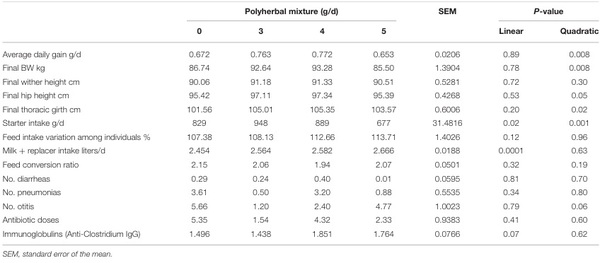
Calves were housed in individual outdoor boxes with ad libitum access to a 21.5% CP calf starter and water and fed individually with a mixture of milk and a non-medicated milk replacer (22% CP). Blood samples were collected on day 59 for blood chemistry, blood biometry, and gene expression analysis in leukocyte through microarray assays. Immunoglobulins were quantified by enzyme-linked immunosorbent assay. The animals treated with the polyherbal mixture showed a quadratic effect on final body weight, daily weight gain, final hip height, and final thoracic girth.
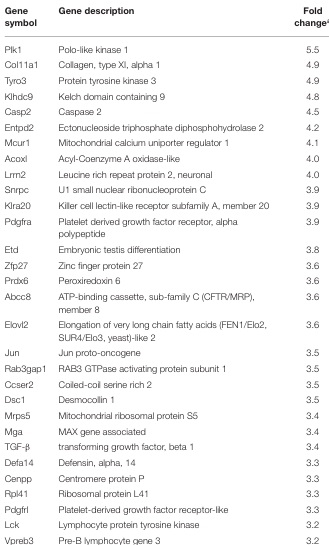
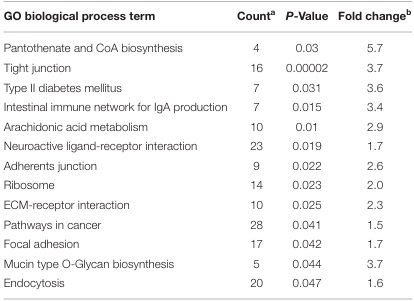
The best performance results were obtained with a treatment dose of 4 g/d. The serum IgG increased linearly with the treatment doses. Gene set enrichment analysis of upregulated genes revealed that the three biological processes with higher fold change were tight junction, mucin type O-Glycan biosynthesis, and intestinal immune network for IgA production. Also, these upregulated genes influenced arachidonic acid metabolism, and pantothenate and CoA biosynthesis.
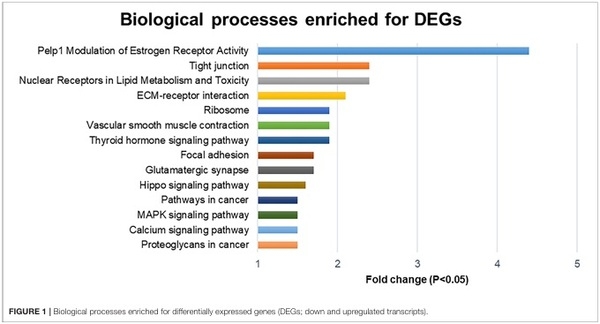
Gene ontology enrichment analysis indicated that the pathways enriched were PELP1 estrogen receptor interacting protein pathways, nuclear receptors in lipid metabolism and toxicity, tight junction, ECM-receptor interaction, thyroid hormone signaling pathways, vascular smooth muscle contraction, ribosome function, glutamatergic synapse pathway, focal adhesion, Hippo, calcium, and MAPK signaling pathways.
Keywords: growth performance, Holstein calves, animal nutrition, nutrigenomics, feed plant additive.
Author details:
1 Doctorado en Ciencias Agropecuarias, Universidad Autónoma Metropolitana Xochimilco, Ciudad de México, Mexico; 2 Laboratorio de Biología Molecular, Departamento de Producción Agrícola y Animal, Universidad Autónoma Metropolitana Xochimilco, Ciudad de México, Mexico; 3 Laboratorio de Microbiología Agropecuaria, Universidad Autónoma Metropolitana Xochimilco, Ciudad de México, Mexico; 4 Departamento de Producción Agrícola y Animal, Universidad Autónoma Metropolitana Xochimilco, Ciudad de México, Mexico; 5 Centro Universitario UAEM Amecameca, Universidad Autónoma del Estado de México, Amecameca, Mexico; 6 Universidad Autónoma Chapingo, Texcoco, Mexico.

1. NAHMS, National Animal Health Monitoring System. Dairy Herd Management Practices Focusing on Preweaned Heifers. Fort Collins, CO: USDA, Animal and Plant Health Inspection Service, Veterinary Services (1993).
2. USDA,-APHIS. (2012). Dairy Heifer Raiser 2011: A Study of Operations that Specialize in Raising Dairy Heifers. Fort Collins, CO: USDA-APHIS-VS, CEAH,National Animal Health Monitoring System (NAHMS).
3. Tao S, Dahl GE. Heat stress effects during late gestation on dry cows and their calves. J. Dairy Sci. (2013) 96:4079–93. doi: 10.3168/jds.20 12-627
4. Roland L, Drillich M, Klein-Jöbstl D, Iwersen M. Influence of climatic conditions on the development, performance, and health of calves. J. Dairy Sci. (2016) 99:2438–52. doi: 10.3168/jds. 2015-9901
5. Obedat BS, Cobb CJ, Sellers MD, Pepper-Yowell AR, Earleywine TJ, Ballou MA. Plane nutrition during the preweaning period but not the grower phase influences the neutrophil activity of Holstein calves. J. Dairy Sci. (2013) 96:7155–66. doi: 10.3168/jds. 2013-6699
6. Jouany JP, Morgavi DP. Use of ‘natural’ products as alternatives to antibiotic feed additives in ruminant production. Animal. (2007) 1:1443 66. doi: 10.1017/S1751731107000742
7. Dutil L, Irwin R, Finley R, Ng LK, Avery B, Boerlin P. Ceftiofur resistance in Salmonella enterica serovar Heidelberg from chicken meat and humans. Can. Emerg. Infect. Dis. (2010) 16:48–54. doi: 10.3201/eid1601. 090729
8. Frankic T, Voljc M, Salobir J, Rezar V. Use of herbs and spices and their extracts in animal nutrition. Acta Agric. Slov. (2009) 94:95–102. Available online at: http://aas.bf.uni-lj.si/zootehnika/94-2009/PDF/94-2009-2-95-102. pdf
9. Greathead H. Plants and plant extracts for improving animal productivity. Proc. Nutr. Soc. (2003) 62:279–90. doi: 10.1079/PNS2002197
10. Crosby M, Mendoza-Martínez GD, Relling A, Vázquez VA, Lee Rangel HA, Martínez JA. Influence of supplemental choline on milk yield, fatty acid profile, and postpartum weight changes in suckling ewes. J. Dairy Sci. (2017) 100:125. doi: 10.1016/S0022-0302(20) 30813-4
11. Mendoza GD, Oviedo MF, Pinos JM, Lee-Rangel HA, Vázquez A, Flores R. Milk production in dairy cows supplemented with herbal choline and methionine. Rev. Fac. Cien. Agrar. Univ. Nac. Cuyo. (2019) 1:1853–8665. Available online at: http://revistas.uncu.edu.ar/ojs/index.php/RFCA/article/ view/3076
12. Martínez-Aispuro JA, Mendoza GD, Cordero-Mora JL, Ayala-Monter MA, Sánchez-Torres MT, Figueroa-Velasco JL, et al. Evaluation of an herbal choline feed plant additive in lamb feedlot rations. R Bras. Zootec. (2019) 48:1–7. doi: 10.1590/rbz4820190020
13. Lewis ED, Richard C, Goruk S, Dellschaft NS, Curtis JM, Jacobs RL, et al. The form of choline in the maternal diet affects immune development in suckled rat offspring. J. Nutr. (2015) 146:823–30. doi: 10.3945/jn.115. 225888
14. Prescott SM, Zimmerman GA, Stafforini DM, McIntyre TM. Platelet activating factor and related lipid mediators. Annu. Rev. Biochem. (2000) 69:419–45. doi: 10.1146/annurev.biochem.69.1.419
15. McIntyre TM, Prescott SM, Stafforini DM. The emerging roles of PAF acetyl hydrolase. J. Lipid Res. (2009) 50:255–9. doi: 10.1194/jlr.R800024-JLR200
16. Lima FS, Sa-Filho MF, Greco LF, Santos JEP. Effects of feeding rumen-protected choline on incidence of diseases and reproduction of dairy cows. Vet. J. (2012) 193:140–5. doi: 10.1016/j.tvjl.201 1.09.019
17. Sun F, Cao Y, Cai C, Li S, Yu C, Yao J. Regulation of nutritional metabolism in transition dairy cows: energy homeostasis and health in response to post-ruminal choline and methionine. PloS ONE. (2016) 11:e0160659. doi: 10.1371/journal.pone.0160659
18. Vailati-Riboni M, Zhou Z, Jacometo CB, Minuti A, Trevisi E, Luchini DN, et al. Supplementation with rumen-protected methionine or choline during the transition period influences whole-blood immune response in periparturient dairy cows. J. Dairy Sci. (2017) 100:3958–68. doi: 10.3168/jds.2016-11812
19. CIOMS. Council for International Organizations of Medical Sciences. International Guiding Principles for Biomedical Research Involving Animals. (2012). Available Online at: https://cioms.ch/wp-content/uploads/2017/01/ ResarchInvolvingAnimals.pdf (accessed December 31, 2020).
20. Parish AJ, Bourg MB, Marks LM, Simmons BN, Smith T. Evaluation of different methods of cattle hip height data collection. Prof. Anim. Sci. (2012) 28:292–9. doi: 10.15232/S1080-7446(15)30358-2
21. Fleige S, Pfaf MW. RNA integrity and the effect on the real time qRT-PCR performance. Mol. Aspects Med. (2006) 27:126 39. doi: 10.1016/j.mam.2005.12.003
22. Sherman TB, Lempicki AR. Systematic and integrative analysis of large gene lists using DAVID bioinformatics resources. Nat. Protoc. (2009) 4:44 57. doi: 10.1038/nprot.2008.211
23. Oliveira DM, Chalfun-Junior A, Chizzotti ML, Barreto HG, Coelho TC, Paiva LV, et al. Expression of genes involved in lipid metabolism in the muscle of beef cattle fed soybean or rumen-protected fat, with or without monensin supplementation. J. Anim. Sci. (2014) 92:5426–36. doi: 10.2527/jas.2014-7855
24. Livak KJ, Schmittgen TD. Analysis of relative gene expression data using real-time quantitative PCR and the 2– 11CT method. Methods. (2001) 25:402–8. doi: 10.1006/meth.2001.1262
25. Mirman D. Growth Curve Analysis and Visualization using R. The R Series. London: Chapman &Hall/CRC Press; Taylor & Francis Group (2016).
26. Steel RGD, Torrie JH. Principles and Procedures of Statistics a Biometrical Approach. 2nd ed. New York, NY: McGraw-Hill Book Co. (198
27. Draper NR, Smith H. Applied Regression Analysis. 3rd ed. New York, NY: Wiley (1998). doi: 10.1002/9781118625590
28. Hollenbeck CB. An introduction to the nutrition and metabolism of choline. Cent. Nerv. Syst. Agents Med. Chem. (2012) 12:100 13. doi: 10.2174/187152412800792689
29. Zeisel SH. A brief history of choline. Ann. Nutr. Metab. (2012) 61:254 8. doi: 10.1159/000343120
30. Li Z, Vance DE. Thematic review series: glycerolipids. Phosphatidylcholine and choline homeostasis. J. Lipid Res. (2008) 49:1187–94. doi: 10.1194/jlr.R700019-JLR200
31. Zeisel SH, DaCostaKA.Choline: an essential nutrient for public health. Nutr. Rev. (2009) 67:615–23. doi: 10.1111/j.1753-4887.2009.00246.
32. NRC. Nutrient Requirements of Beef Cattle: Update 2000. 7th Revised ed. Washington, DC: National Academy of Sciences (2000)
33. Pinotti L, Paltanin C, Campagnoli A, Cavassini P, Dell’Orto V. Rumen protected choline supplementation in beef cattle: effect on growth performance. Ital. J. Anim. Sci. (2009) 8:322–24. doi: 10.4081/ijas.200 9.s2.322
34. Bindel DJ, Drouillard JS, Titgemeyer EC, Wessels RH, Loest CA. Effects of ruminally protected choline and dietary fat on performance and blood metabolites of finishing heifers. J. Anim. Sci. (2000) 78:2497 503. doi: 10.2527/2000.78102497x
35. Hajilou M, Dehghan-Banadaky M, Zali A, Rezayazdi K. The effects of dietary L-carnitine and rumen-protected choline on growth performance, carcass characteristics and blood and rumen metabolites of Holstein Young bulls. J. Appl. Anim. Res. (2014) 42:89–96. doi: 10.1080/09712119.2013.822807
36. Hill TM, Aldrich JM, Schlotterbeck RL, Bateman H. Amino Acids, fatty acids, and fat sources for calf milk replacers. Prof. Anim. Sci. (2007) 23:401 8. doi: 10.15232/S1080-7446(15)30995-5
37. Santos FHR,DePaulaRM,LezierD,SilvaTJ,Santos G,Bittar CMM.Essential oils for dairy calves: effects on performance, scours rumen fermentation and intestinal fauna. Animal. (2015) 9:958–65. doi: 10.1017/S175173111500018X
38. Froehlich AK, Abdelsalam WK, Chase C, Koppien-Fox J, Casper PD. Evaluation of essential oils and prebiotics for newborn dairy calves. J. Anim. Sci. (2017) 95:3772–82. doi: 10.2527/jas.2017.1601
39. Li H, Wang H, Yu L, Wang M, Liu S, Sun L, et al. Effects of supplementation of rumen-protected choline on growth performance, meat quality and gene expression in longissimus dorsi muscle of lambs. Arch. Anim. Nutr. (2015) 69:340–50. doi: 10.1080/1745039X.2015.1073001
40. Pino F, Urrutia NL, Gelsinger SL, Gehman AM, Heinrichs AJ. Long term effect of organic trace minerals on growth, reproductive performance, and first lactation in dairy heifers. Prof. Anim. Sci. (2018) 34:51 8. doi: 10.15232/pas.2017-01680
41. Jiang X, Liu X, Liu S, Li Y, Zhao HB, Zhang YG. Growth, rumen fermentation and plasma metabolites of Holstein male calves fed fermented corn gluten meal during the postweaning stage. Anim. Feed Sci. Technol. (2019) 249:1 9. doi: 10.1016/j.anifeedsci.2019.01.012
42. Saldana DJ, Jones CM, Gehman AM, Heinrichs AJ. Effects of once-versus twice-a-day feeding of pasteurized milk supplemented with yeast-derived feed additives on growth and health in female dairy calves. J. Dairy Sci. (2019) 102:3654–60. doi: 10.3168/jds.2018-15695
43. Zhu J, Wu Y, Tang Q, Leng Y, Cai W. The effects of choline on hepatic lipid metabolism, mitochondrial function and antioxidative status in human hepatic C3A cells exposed to excessive energy substrates. Nutrients. (2014) 6:2552–71. doi: 10.3390/nu6072552
44. YilmazT, KoçcanEG,Besler HT, Yilmaz G,GürselB. Therole of oxidants and antioxidants in otitis media with effusion in children. Otolaryngol. Head Neck Surg. (2004) 131:797–803. doi: 10.1016/j.otohns.2004.07.001
45. Lewis ED, Goruk S, Richard C, Dellschaft NS, Curtis JM, Jacobs RL, et al. Feeding a diet devoid of choline to lactating rodents restricts growth and lymphocyte development in offspring. Br. J. Nutr. (2016) 116:1001 12. doi: 10.1017/S0007114516002919
46. Teixeira AGV, Lima FS, Bicalho MLS, Kussler A, Lima SF, Felippe MJ, et al. Effect of an injectable trace mineral supplement containing selenium, copper, zinc, and manganese onimmunity, health, and growth of dairy calves. J. Dairy Sci. (2014) 97:4216–26. doi: 10.3168/jds.2013-7625
47. Lindholm-Perry AK, Kuehn LA, McDaneld TG, Miles JR, Workman AM, Chitko-McKown CG, et al. Complete blood count data and leukocyte expression of cytokine genes and cytokine receptor genes associated with bovine respiratory disease in calves. BMC Res. Notes. (2018) 11:786. doi: 10.1186/s13104-018-3900-x
48. Knowles GT, Edwards EJ, Bazeley JK, Brown NS, Butterworth A, Warriss P. Changes in blood biochemical and hematological profile of neonatal calves with age. Vet. Rec. (2000) 147:593–8. doi: 10.1136/vr.147.21.593
49. Khosla P, Bhanwra S, Singh J, Seth S, Srivastava RK. A study of hypoglycemic effects of Azadirachta indica (Neem) in normal and alloxan diabetic rabbits. Indian J. Physiol. Pharmacol. (2000) 44:69–74. Available online at: https://ijpp. com/IJPP%20archives/2000_44_1/69-74.pdf
50. Zhao H, Raines LN, Huang SC. Carbohydrate and amino acid metabolism as hallmarks for innate immune cell activation and function. Cells. (2020) 9:562. doi: 10.3390/cells9030562
51. Jezek J, Klopcic M, Klinkon M. Influence of age on biochemical parameters in calves. Bull. Vet. Inst. Pulawy. (2006) 50:211–4. Available online at: http:// www.piwet.pulawy.pl/bulletin/images/stories/pdf/20062/20062211214.pdf
52. Nozad S, Ramin GA, Rezaie AS. Diurnal variations in milk macro-mineral concentrations in Holstein dairy cows in Urmia, Iran. Vet. Res. Forum. (2012) 3:281–5. doi: 10.2298/AVB1101003N
53. Issi M, Gül Y, Ba¸sbug O. Evaluation of renal and hepatic functions in cattle with subclinical and clinical ketosis. Turk. J. Vet. Anim. Sci. (2016) 40:47 52. doi: 10.3906/vet-1505-16
54. Eggum OB, Juliano OB, Maningat CC. Protein and energy utilization of rice milling fractions by rats. Plant Food Hum. Nutr. (1982) 31:371 6. doi: 10.1007/BF01094048
55. Dufour DR, Lott JA, Nolte FS, Gretch DR, Koff RS, Seeff LB. Diagnosis and monitoring of hepatic injury. I. Performance characteristics of laboratory tests. Clin. Chem. (2000) 46:2027–49. doi: 10.1093/clinchem/46.12.2027
56. Rowland A, Miners JO, Mackenzie PI. The UDP-glucuronosyltransferases: their role in drug metabolism and detoxification. Int. J. Biochem. Cell Biol. (2013) 45:1121–32. doi: 10.1016/j.biocel.2013.02.019
57. Mohamed MEF, Frye RF. Effects of herbal supplements on drug glucuronidation. Review of clinical, animal, and in vitro studies. Planta Med. (2011) 77:311–21. doi: 10.1055/s-0030-1250457
58. Biswas S, Giri S. Importance of choline as essential nutrient and its role in prevention of various toxicities. Prague Med. Rep. (2015) 116:5 15. doi: 10.14712/23362936.2015.40
59. Mehedint MG, Zeisel SH. Choline’s role in maintaining liver function: new evidence for epigenetic mechanisms. Curr. Opin. Clin. Nutr. Metab. Care. (2013) 16:339–45. doi: 10.1097/MCO.0b013e3283600d46
60. Leach RJ, Chitko-McKown CG, Bennett GL, Jones SA, Kachman SD, Keele JW, et al. The change in differing leukocyte populations during vaccination to bovine respiratory disease and their correlations with lung scores, health records, and average daily gain. J. Anim. Sci. (2013) 91:3564 73. doi: 10.2527/jas.2012-5911
61. Roland L, Drillich M, Iwersen M. Hematology as a diagnostic tool in bovine medicine. J. Vet. Diagn. Invest. (2014) 26:592 8. doi: 10.1177/1040638714546490
62. Benesi FJ, Teixeira C, Leal ML, Lisboa JA, Mirandola R, Shecaira CL, et al. Leukograms of healthy Holstein calves within the first month of life. Pesq. Vet. Bras. (2012) 32:352–6. doi: 10.1590/S0100-736X2012000400013
63. Honda T, Uehara T, Matsumoto G, Arai S, Sugano M. Neutrophil left shift and white blood cell count as markers of bacterial infection. Clin. Chim. Acta. (2016) 457:46–53. doi: 10.1016/j.cca.2016.03.017
64. Cunliffe RN. Alpha-defensins in the gastrointestinal tract. Mol. Immunol. (2003) 40:463–7. doi: 10.1016/S0161-5890(03)00157-3
65. Naseer O, Khan JA, Khan MS, Omer MO, Chishti GA, Sohail ML, et al. Comparative efficacy of silymarin and choline chloride (liver tonics) in preventing the effects of aflatoxin B1 in bovine calves. Pol. J. Vet. Sci. (2016) 19:545–51. doi: 10.1515/pjvs-2016-0068
66. Hansson GC. Mucus and mucins in diseases of the intestinal and respiratory tracts. J. Intern Med. (2019) 285:479–90. doi: 10.1111/joim.12910
67. Ulluwishewa D, Anderson R, McNabb W, Moughan P, Wells J, Roy N. Regulation of tight junction permeability by intestinal bacteria and dietary components. J. Nutr. (2011) 141:769–76. doi: 10.3945/jn.110.135657
68. Edward JH. Clinical laboratory evaluation of small intestinal function. Vet. Clin. North Am. Small Anim. Pract. (1999) 29:441–69. doi: 10.1016/S0195-5616(99)50030-2
69. Malmuthuge N, Li M, Goonewardene AL, Oba M, Guan LL. Effect of calf starter feeding on gut microbial diversity and expression of genes involved in host immune responses and tight junctions in dairy calves during weaning transition. J. Dairy Sci. (2013) 96:3189–200. doi: 10.3168/jds.20 12-6200
70. RockCO,CalderRB,KarimMA,JackowskiS. Pantothenate kinase regulation of the intracellular concentration of coenzyme A. J. Biol. Chem. (2000) 275:1377–83. doi: 10.1074/jbc.275.2.1377
71. Li Y, Chang Y, Zhan L, Feng Q, Liu Z, Zhang Y, et al. High glucose upregulates pantothenate kinase 4 (PanK4) and thus affects M2-type pyruvate kinase (Pkm2). Mol. Cell Biochem. (2005) 277:117 25. doi: 10.1007/s11010-005-5535-1
72. Wang L, Waltenberger B, Pferschy-Wenzig EM, Blunder M, Liu X, Malainer C, et al. Natural product agonists of peroxisome proliferator-activated receptor gamma (PPARγ): a review. Biochem. Pharmacol. (2014) 92:73 89. doi: 10.1016/j.bcp.2014.07.018
73. Slenter DN, Kutmon M, Hanspers K, Riutta A, Windsor J, Nunes N, et al. WikiPathways: a multifaceted pathway database bridging metabolomics to other omics research. Nucleic Acids Res. (2017) 46:661–7. doi: 10.1093/nar/gkx1064
74. Lee HJ, Jang M, Kim H, Kwak W, Park W, Hwang JY, et al. Comparative transcriptome analysis of adipose tissues reveals that ECM-receptor interaction is involved in the depot-specific adipogenesis in cattle. PLoS ONE. (2013) 8:e66267. doi: 10.1371/journal.pone.0066267
75. Yoshihama M, Uechi T, Asakawa S, Kawasaki K, Kato S, Higa S, et al. The human ribosomal protein genes: sequencing and comparative analysis of 73 genes. Genome Res. (2002) 12:379–90. doi: 10.1101/gr.214202
76. Korte M, Schmitz D. Cellular and system biology of memory: timing, molecules, and beyond. Physiol. Rev. (2016) 96:647 93. doi: 10.1152/physrev.00010.2015
77. Musazzi L, Treccani G, Mallei A, Popoli M. The action of antidepressants on the glutamate system: regulation of glutamate release and glutamate receptors. Biol. Psychiatry. (2013) 73:1180–8. doi: 10.1016/j.biopsych.2012.11.009
78. Zhang J, Hochwald SN. The role of FAK in tumor metabolism and therapy. Pharmacol. Therapeut. (2014) 142:154 63. doi: 10.1016/j.pharmthera.2013.12.003
79. Liu B, Xu L, Yu X, Jiao X, Yan J, Li W, et al. Genistein inhibited estradiol-induced vascular endothelial cell injury by downregulating the FAK/Focal adhesion pathway. Cell Physiol. Biochem. (2018) 49:2277 92. doi: 10.1159/000493830
80. Zhao B, Li L, Lei Q, Guan KL. The Hippo–YAP pathway in organ size control and tumorigenesis: an updated version. Genes Dev. (2010) 24:862 74. doi: 10.1101/gad.1909210
81. Serviddio G, Giudetti AM, Bellanti F, Priore P, Rollo T, Tamborra R, et al. Oxidation of Hepatic Carnitine Palmitoyl Transferase-I (CPT-I) impairs fatty acid beta-oxidation in rats fed a methionine-choline deficient diet. PLoS ONE. (2011) 6:e24084. doi: 10.1371/journal.pone.0024084
82. Goselink RMA,VanBaalJ,Widjaja HCA,DekkerRA,ZomRLG,DeVethMJ, et al. Effect of rumen-protected choline supplementation on liver and adipose gene expression during the transition period in dairy cattle. J. Dairy Sci. (2013) 96:1102–16. doi: 10.3168/jds.2012-5396
83. Fritsche K. Fatty acids as modulators of the immune response. Annu. Rev. Nutr. (2006) 26:45–73. doi: 10.1146/annurev.nutr.25.050304.092610
84. Connor EE, Baldwin RL, Li CJ, Li RW, Chung H. Gene expression in bovine rumen epithelium during weaning identifies molecular regulators of rumen development and growth. Funct. Integr. Genomics. (2013) 13:133 42. doi: 10.1007/s10142-012-0308-x
85. Naeem A, Drackley JK, Stamey J, Loor JJ. Role of metabolic and cellular proliferation genes in ruminal development in response to enhanced plane of nutrition in neonatal Holstein calves. J. Dairy Sci. (2012) 95:1807 20. doi: 10.3168/jds.2011-4709
86. Bionaz M, Chen S, Khan JM, Loor JJ. Functional role of PPARs in ruminants: potential targets for fine-tuning metabolism during growth and lactation. PPARRes. (2013) 684159:28. doi: 10.1155/2013/684159
87. Varga T, Czimmerer Z, Nagy L. PPARs are a unique set of fatty acid regulated transcription factors controlling both lipid metabolism and inflammation. Biochim. Biophys. Acta Mol. Basis Dis. (2011) 1812:1007 22. doi: 10.1016/j.bbadis.2011.02.014
88. Chinetti G, Fruchart CJ, Staels B. Peroxisome proliferator-activated receptors (PPARs): nuclear receptors at the crossroads between lipid metabolism and inflammation. Inflamm. Res. (2000) 49:497–505. doi: 10.1007/s000110050622
89. Zuñiga J, Cancino M, Medina F, Varela P, Vargas R, Tapia G, et al. N-3 PUFA supplementation triggers PPAR-α activation and PPAR-α/NF-kB interaction: anti-inflammatory implications in liver ischemia-reperfusion injury. PloS ONE. (2011) 6:e28502. doi: 10.1371/journal.pone.0028502
90. Subramanian V, Seemann I, Merl-Pham J, Hauck MS, Stewart AF, Atkinson JM, et al. Role of TGF Beta and PPAR alpha signaling pathways in radiation response of locally exposed heart: integrated global transcriptomics and proteomics analysis. J. Proteome Res. (2017) 16:307 18. doi: 10.1021/acs.jproteome.6b00795
91. KorbeckiJ,Bobi´ nski R, DutkaM.Selfregulation of the inflammatoryresponse by peroxisome proliferator activated receptors. Inflamm. Res. (2019) 68:443 58. doi: 10.1007/s00011-019-01231-1
92. Barry OP, Kazanietz MG, Praticò D, FitzGerald GA. Arachidonic acid in platelet microparticles up-regulates cyclooxygenase-2 dependent prostaglandin formation via a protein kinase C/mitogen activated protein kinase-dependent pathway. J. Biol. Chem. (1999) 274:7545–56. doi: 10.1074/jbc.274.11.7545
93. Naruhn S, Maissner W, Adhikary T, Kaddatz K, Klein T, Watzer B, et al. 15-hydroxyeicosatetraenoic acid is a preferential peroxisome proliferator-activated receptor β/δ agonist. Mol. Pharmacol. (2010) 77:171 84. doi: 10.1124/mol.109.060541
94. MartinLB.Stress andimmunityinwildvertebrates: timing is everything. Gen. Comp. Endocrinol. (2009) 163:70–6. doi: 10.1016/j.ygcen.2009.03.008
95. Salak-Johnson JL, McGlone JJ. Making sense of apparently conflicting data: stress and immunity in swine and cattle. J. Anim. Sci. (2007) 85:E81 8. doi: 10.2527/jas.2006-538
96. Hulbert LE, Moisá SJ. Stress, immunity, and the management of calves. J. Dairy Sci. (2016) 99:3199–216. doi: 10.3168/jds.2015-10198
97. Heinrichs AJ, Heinrichs BS. A prospective study of calf factors affecting first lactation and lifetime milk production and age of cows when removed from the herd. J. Dairy Sci. (2011) 94:336–41. doi: 10.3168/jds.2010-3170














United States