INTRODUCTION
There is an increasing number of consumers demanding healthy and natural foods which favored organic livestock farming that is reputed to be environmentally friendly. Therefore, sustaining birds in good health, with high welfare standards results in high quality meat products [1]. Organic principles strive to enhance the 'naturalness' of the way livestock are reared. Organic livestock health, and performance, is optimized by careful attention to the basic principles of livestock husbandry. These include selection of appropriate breeds, appropriate management practices, nutrition and avoidance of overstocking [2]. Organic meat production undoubtedly reduces the risk of potential public health problems occurring by prohibiting the use of antibiotics, hormones and pesticides, which are suspected to have endocrine disrupting, carcinogenic, teratogenic, immunosuppressive and nervous effects [3].The main aim of organic farming is to establish and maintain soil – plant, plant- animal and animal- soil interdependence and to produce a sustainable agro-ecological system based on the local resources [4]. Hence, the aim of the present study was contributed to the knowledge of qualitative traits and parameters of broiler carcass and meat produced organically.
MATERIALS AND METHODS
1. Birds and diets
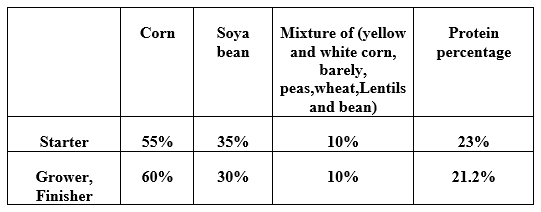
Fifty, three-day-old Cobb chicks were taken from commercial broiler house of 5000 birds capacity and were assigned to rules of organic production from April to May, 2014. Chicks were fed on an organic diet (Starter for first three weeks. with 23% protein, and grower for second three weeks. with 21% protein) and the other birds were fed commercial feed in the broiler house with the same parameters and kept as control group.
Table A . Composition of organic diet:
2. Sample collection and analytical determinations
At the age of 42nd day birds were fastened for eight hours, 20 birds were selected randomly from each group. The birds were sacrificed, plucked and eviscerated. From the carcass head, neck, legs, edible viscera (Heart, liver and gizzard), non-edible viscera (Intestines, proventriculus, gall bladder, spleen, esophagus and full crop) and fat (Per visceral, perineal and abdominal) were removed to obtain the ready-to-cook carcass. Breast and thigh of each carcass were cut to equivalent samples for analysis.
2.1. Ultimate pH
Ultimate pH (pHu) was measured at 24 h withAdwa-AD1030 pH meter after homogenization of 10g meat in 100 ml dist. water [5].
2.2. Cooking loss
Samples were weighed for cooking loss (CL) that determined in breast samples. Samples were involved in aluminum foil and cooked on an electric oven at 150ºC. When meat temperature reached 72ºC, samples were removed from the griddle, left to cool to room temperature and weighed [6].
2.3. Drip volume
Drip volume and percentage of drip loss were measured (as % of chicken weight before thawing) by thawing of each sample at 4° C for 10 hrs. The thawed samples were weighed before and after thawing to calculate percentage of weight loss during thawing [7].
2.4 Thiobarbituric acid
The extent of lipid oxidation was evaluated on raw meat as TBA- RS by the method of Ohkawaet al. [8]. Two grams of tissue sample were mixed with 20 ml physiological saline and homogenized by tissue homogenizer. This homogenate was centrifuged and the supernatant was taken to measure thiobarbituric acid.
2.5 Cholesterol and Triacylglycerol
Lipids were extracted for determination of cholesterol and triacylglycerol by the method of Bligh and Dyer [9]. A (0.5g) sample contained 1 ml water, 3.75 ml of a mixture chloroform/methanol (1:2) were added and mixed well by vortex mixer for 10 minutes. Then 1.25 ml chloroform was added and mixed for 1 min and 1.25 ml water also was added and mixed another minute before centrifugation. After centrifugation the upper phase was discarded and the lower phase was collected through the protein disk with a Pasteur pipette. After evaporation, the lipid extract (lower phase) was re-dissolved in a small volume of chloroform/methanol (2/1). Then cholesterol and triacylglycerol were determined acc. to Fossati and Prencipe [10] and Zak et al. [11].
2.6. Determination of corticosterone in feathers:
Feather's corticosterone levels were determined as a stress biomarker. We extracted corticosterone from feathers as described by Koren Lee et al. [12] method at the end of the experiment. We pulverized 21–84 mg of feathers (n ¼ 61 subjects) to a fine powder using liquid nitrogen. Corticosterone was extracted overnight into 1 ml of Optima-grade methanol (Fisher Scientific,Fair Lawn,NJ) under gentle shaking and the supernatant was collected. A second extraction was performed on the powdered feather samples using a 30 second vortex with 1 ml diethyl ether (Sigma-Aldrich, St Louis, MO) followed by centrifugation. The methanol and the diethyl ether extracts were combined and evaporated to dryness using a freeze dryer. Samples were re-suspended in 5: 95 methanol: water (1 ml) and subjected to solid-phase extraction (SPE) using Agilent Technologies,Santa Clara,CA).
- ·Preparation of standard:
A 100μg/ml stock solution of CT was prepared in 20% methanol, in an amber volumetric flask and stored in a refrigerator.
Apparatus and chromatographic conditions
The HPLC-DAD system consisted of Agilent 1200 series (Agilent Technologies, Santa Clara, CA, USA) (Quaternary pump, vacuum degasser and diode array and multiple wavelength detector G1315 C/D and G1365 C/D) connected to a computer loaded with Agilent ChemStation Software. A rheodyne manual injector with 20 μL loop was used. The column used was Zorbax SB-C8 (4.6 × 250 mm, 5 μm particle size) Agilent.
The mobile phase for this chromatographic procedure consisted of the following: distilled water; acetonitrile and glacial acetic acid (65:35:0.05, v/v) with a pH between 4.10 and 4.20. The flow rate was set at 1.0 ml/min and the sample injection volume was 100μl. The eluent was monitored at a wavelength of 245 nm by the diode array detector. The run time for each sample was ± 15 minutes in a room where the temperature was controlled at 24°C and ± 20 minutes in a room controlled at a lower room temperature [13].
Statistical Analysis: The obtained data was statistically analyzed by SPSS software.
RESULTS AND DISCUSSION
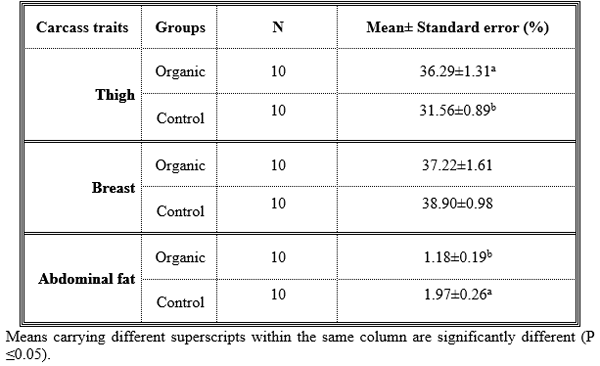
The data illustrated in Table (1) stated that organic broilers showed lower amount of abdominal fat and the percentages of thigh were higher in organic birds in comparison to the control birds but the percentage of breast was lower in the organic chickens .As the greater motion reduced the abdominal fat, and favored muscle mass development in thigh. Many authors stress that free-range production system positively affects the quality of bird carcasses by reducing their fat content. According to Baeza et al. [14] and Muriel and Pascual [15] free-range rearing of both ducks and chickens reduces their carcass fatness, and that what also organic growing makes.
Literature often states that housing conditions have an impact on dressing percentage and carcass quality of poultry. Boskovic et al. [16] reported that Hybro G broilers with free-range access for 49 days of age showed better muscling compared to those reared indoors only, which agreed with us.
According to Skomorucha et al. [17] 42-day old Cobb broilers reared indoors were characterized by higher dressing and breast muscle percentage compared to birds grown with outdoor access. These observations in the total dressing were not confirmed by our study as the breast and leg muscles content of carcass in chickens kept at conventional (Indoor) system totaled 70.4% compared to organic (Free range) birds which were higher that totaled 73.5%.
The abdominal fat weight was negatively correlated with all serum biochemical concentrations except LDL in Anka breed of broiler chicken. On the other hand, in Rugao breed of broiler chicken, it was positively correlated with triacylglycerol, VLDL and LDL and negatively correlated with cholesterol and HDL [18].
Table 1. Statistical analysis results of carcass traits of organic and control groups.
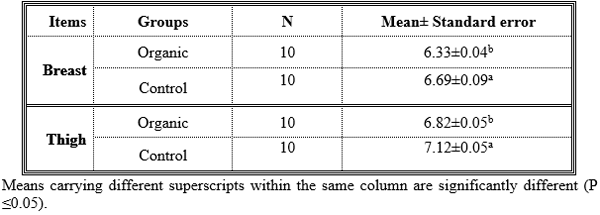
The data obtained in Table 2 showed lowered pH of both breast and thigh muscle in organic birds which could be due to the better welfare conditions that reduced the stress pre-slaughter and thus consumption of glycogen which supplies energy to the muscle, and metabolized postmortem in an anaerobic environment to lactic acid, which reduces muscle pH [19].
In normal ante mortem muscle, the pH is approximately7.2. At the time of slaughter, oxygen and nutrients that are supplied by the way of the circulatory system are stopped. Glycogen, which supplies energy to the muscle, is metabolized postmortem in an anaerobic environment to lactic acid, which reduces muscle pH [20].
The rate and the extent of pH decline will have a large influence on meat quality characteristics. Variation in muscle pH is likely to influence color [21] and the ability of meat to hold water.
In addition authors, Enfalt et al. [22], Wang et al. [23] and Fanatico et al. [24] stated that the meat of pigs and poultry reared on free range, which provides higher welfare levels and lower stress conditions is characterized by lower pH due to lower glycogen use.
Also, Castromán et al. [25] stated that the pH was higher at 3 and 24 hours in the chicken meat of conventional system in comparison to the chicken meat of organic system.
Table 2. Statistical analysis results of chemical characteristics (pH) of the breast and drumstick.
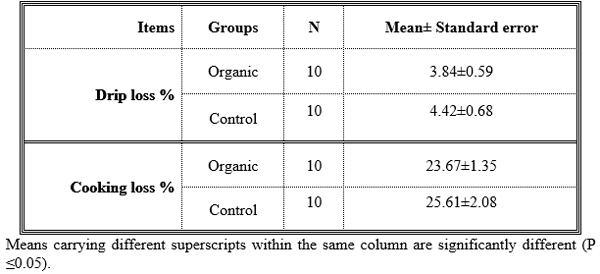
The data recorded in Table 3 proof that both cooking loss and drip loss were lower in organic birds which influences higher meat quality and more maintenance of meat value, which in turn related to the pH value which was lower in organic and fat content which also was lower in organic birds as meat containing a high percentage of fat cooked under standardized conditions gives greater cooking losses than lean meat.
When looking at the effect of production system on cooking loss, meat from organically raised animals showing lower cooking losses than the conventional meat [26].
Santos et al. [27] Obtained higher cooking loss (CL) values in the meat of conventional chickens relative to those from strains kept in alternative systems. The rearing system had an effect on drip loss and thermal loss from breast muscles of chickens.
Likewise, that was observed by Fanatico et al. [24], who reported higher thermal loss in chickens reared indoors which agreed with our results.
Table 3.Statistical analysis results of physical characteristics of the breast muscles.
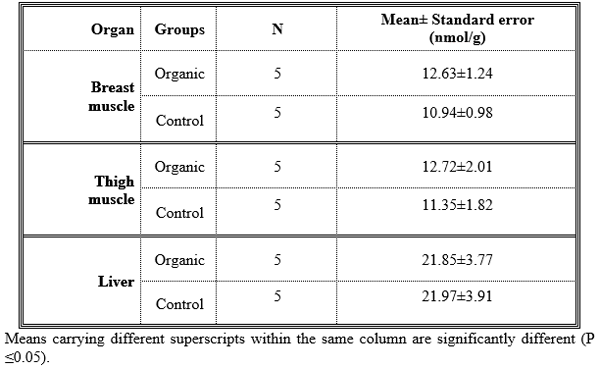
The data obtained in the Table 4 showed that the thiobarbituric acid reactive substance (TBA-RS) values were higher in the organic birds than in the control, and in the drumstick than in the breast, but the meat acceptability was not affected and in the liver the (TBA-RS) values were lower in organic birds than commercial.
These values represent the level of oxidation of lipids and are measures of malondialdehyde, ketones and similar oxidation products. Even though raw TBARS values were significantly different, in practical terms, the TBARS values were all very low and no rancid flavors would be detectable. So higher organic levels of TBARS can be due to the lower lipid stability of the organic meat and to the greater degree of unsaturation of intramuscular lipids [28].
It is also known that a greater degree of physical fitness increases the muscle oxidative capacity [29].
The intensification of the oxidative processes produced a higher amount of free radicals that favored per oxidative processes after death. When comparing organic and conventionally raised chickens, concluded that sensory panelists prefer red organic breast meat that had higher TBARS values, sometimes referred to as warmed-over flavor [25].
Table 4. Statistical analysis results of Thiobarbituric acid of the breast muscle, thigh muscle and liver.
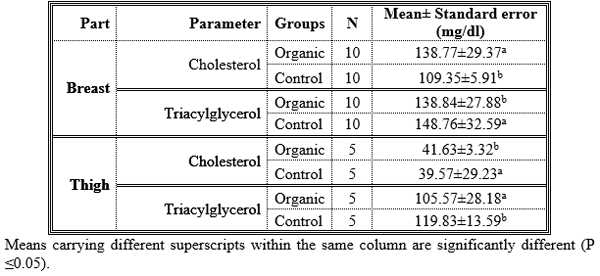
The data illustrated in Table 5 stated that Cholesterol results showed an increase in total cholesterol level in organic broiler than commercial, which mainly due to increasing of HDL level which is a beneficial lipoprotein type of cholesterol and called the “Good kind.” As it carries harmful cholesterol (LDL) away from the arteries and helps protect you from heart attack and stroke. It’s better to have a lot of HDL cholesterol in your blood [30].
which is a proof of leaner organic meat than commercial one which also observed by Hassan et al. [18] who noted that the levels of serum total cholesterol and high-density lipoprotein were significantly higher in Rugao breed of broiler chicken compared to Anka breed of broiler chicken (P< 0.01). And stated that this may be due to the fact that Rugao was leaner than Anka. Cholesterol is a fatty wax-like substance that is a structural component of cells, veins and arteries. Cholesterol need to help produce certain types of hormones. All of the cholesterol needed to support these functions is produced in liver, but additional cholesterol gotten from diet. Animal foods, including chicken, naturally contain some cholesterol. But we should consume it within a certain range.
Ronnemaa et al. [31] stated that LDL cholesterol was almost 20% higher in obese compared to lean chickens in both genders which are often called “The bad kind.” When we have too much LDL cholesterol in our blood, it can join with fats and other substances to build up in the inner walls of our arteries. The arteries can become clogged and narrow, and blood flow is reduced. If this buildup of plaque ruptures, a blood clot may form at this location or a piece may break off and travel in the bloodstream. If a blood clot blocks the blood flow to our heart, it causes a heart attack. If a blood clot blocks an artery leading to or in the brain, a stroke results [30].
Fatness or obesity is related to several disturbances in lipid and lipoprotein metabolism. For instance, high concentrations of serum triacylglycerol-rich lipoproteins and a low concentration of high-density lipoprotein (HDL) cholesterol are the most characteristic findings, as Garrison et al. [32] and Lamon-Fava et al. [33] recorded.
This positive relationship between decreasing obesity, abdominal fat and lowering of LDL and raising of HDL is an evidence of what also we find from decreasing in abdominal fat and obesity in organic broiler and on the contrary with commercial, so we can state the elevation of cholesterol in organic is not bad sign and do not have a danger on human health. But, with triacylglycerol the results were antithesis as triacylglycerol were higher in commercial than organic broiler and that mainly due to higher levels of saturated fat found in commercial feed and on the contrary of organic feed with lower saturated fat and higher unsaturated fat.
This strongly considered as a good and healthy sign of organic broiler meat as, most often high triacylglycerol are associated with an increase in LDL cholesterol and a decrease in HDL cholesterol. Comparative studies in lean and fat lines of chickens show that, in avian species, triacylglycerol accumulation in adipocytes depends mainly on the availability of plasma substrate VLDL rather than the activity of LPL [34].
Wahl et al. [35] indicated that, in many instances, the positive relationships between LDL cholesterol (LDL-C) and other lipoprotein lipids became inversed in the presence of triacylglycerol elevation. Among human hyperlipidemic subjects, an elevation in cholesterol level alone rarely altered relationships, but an elevation in triacylglycerol level, either alone or in conjunction with an elevation in cholesterol concentration, was associated with substantial changes in relationships involving the low-density lipoprotein (LDL) fraction [34]. Indicated that the growth of adipose tissue in birds depends directly on the VLDL-TG level also.
Table 5. Statistical analysis results of lipid profile of the breast and drumstick.
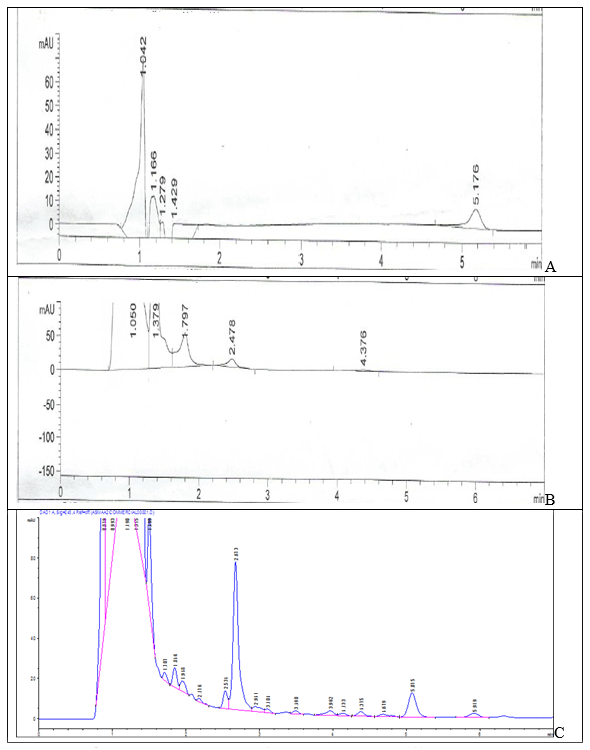
The presented chromatogram in Figure 1 showed that commercial samples showed a curve at the point of the standard (5min) which means presence of corticosterone in their feathers that means presence of corticosterone for long time in their blood which as a result was deposited in their feather, and on the contrary occurs in organic which have no curve so no corticosterone in feather and blood during the cycle.
One advantage of using feathers is that they are unaffected by the momentary stress of capture. They reflect steroid levels at the time of growth, thus providing a long-term integrated measure over a specific time period (Days to weeks) [36]. So, for detection of corticosterone, no special preservation method is needed as they are stable at room temperature for long period.
Pre-slaughter stress may cause undesirable changes in meat quality via altered pre- or post-slaughter muscle metabolism, or both. For example, transportation reduced the ultimate pH of breast muscle [37]. Acute heat stress caused a reduction in initial breast muscle pH in broiler chickens [38] and resulted in accelerated rigor mortis development, reduced water-holding capacity, and increased paleness of breast meat [39,40].
The circulating level of corticosterone (CORT) may be elevated by pre-slaughter stress [41-44] which has been shown to be at least partially responsible for altered postmortem muscle metabolism and meat quality[45,46]. Corticosterone results in reduced breast and thigh meat yields as a result of suppressed capacity for protein synthesis and simultaneously augments protein catabolism in skeletal muscles [47, 48].
Gao et al. [49] recorded that pre-slaughter CORT treatment could enhance the proteolysis of skeletal muscles and gluconeogenesis. An acute up-regulation of circulating CORT before slaughter could decrease muscle ultimate pH by increasing the ante-mortem muscle glycogen store and its depletion rate postmortem, which, in turn, could induce a decreased water-holding capacity.
Fig 1. Shows the chromatogram of corticosterone standard (A), organic (B) and control groups (C).
CONCLUSION
From the above maintained result we can conclude that organic broiler production seems to be a possible alternative to the conventional method. This is due to the more natural rearing conditions, which increase motor activity, favor the development of the muscle mass and reduce fatness, pH, cooking loss, drip loss, triacylglycerol and stress. The negative aspect is the higher levels of TBARS and cholesterol but this increase did not affect consumer acceptability or heath.
REFERENCE
- Sundrum, A., 2001. Organic livestock farming. A critical review. Livestock Production Science, 67, 207–215.
- Lee, M. H., J. H. Lee and P. D. Ryu , 2001. Public health risk: chemical and antibiotic residues. Asian-Aust. J. Anim. Sci., 14:402-413.
- Biradar, C. S., M. S. Dodamani, B. K. Inamadar and A. J. Murasalogi, 2011. Organic Poultry Farming inIndia-issues and approaches , Veterinary World, 2011, pp 4(6):273-277.
- Wardlaw, F.B., L.H. Mccaskill and J.C. Acton, 1973. effect of postmortem muscle changes on poultry meat loaf properties. Journal of food science, 38, 421-423.
- Bressan, M.C., N.S. Jardim, J.R.O. Perez, M. Thomazini, A.L.S.C. Lemos, S.H.I. Oda, A.C.C. Pisa, J.O. Vieira, P.B. Faria and R.T.F. Freitas, 2004. Influência do sexo e faixas de peso ao abate nascaracterísticasfísico-químicas da carne de capivara. Ciência e Tecnologia de Alimentos, 24(3): 357-362.
- Kenawi, M.A., 2005. technological, chemical, sensory, and microbiological examination of frozen chicken as affected by microwave thawing. Biotechnology in animal husbandry , 21, 99-108.
- Ohkawa, H., N. Ohishi and K. Yagi, 1979. Assay of lipid peroxidation in animal tissues by thiobarbituric acid reaction. Anal Biochem. , 95:351–358.
- Bligh, E. G. and W.J.Dyer, 1959. A rapid method for total lipid extraction and purification. Can.J.Biochem.Physiol, 37:911-917.
- Fossati, P. and L. Prencipe, 1982. Serum Triacylglycerols Determined Colorimetricallywith an Enzyme that Produces Hydrogen Peroxide, Clin. Chem., 28(10): 2077-2080.
- Zak, B., R.C. Dickenman, E.G. White, H. Burnett and P.J. Cherney, 1954. Rapid estimation of free and tota cholesterol. Am. J. Clin. Pathol, 24(11): 1307-1315.
- Koren Lee, Shinichi Nakagawa, Terry Burke, Kiran K. Soma, Katherine E. Wynne-Edwards and Eli Geffen, 2011. Non-breeding feather concentrations of testosterone, corticosterone and cortisol are associated with subsequent survival in wild house sparrows , Proc. R. Soc. B published online 16 November
- Wong, Y. N., M. C. Benjamin and P. D. Anil, 1994. corticosterone in rat plasma by high-performance liquid chromatography, Journal of Chromatography B, 661, 211-218.
- Baeza, E., M. Lessire, C. Berri and H. Juin, 2001. Compared carcass and meat characteristics of label and standard guinea fowl. Proceedings of XV European Symposium on the Quality of Poultry Meat, Kusadasi, Turkey, 73-78.
- Muriel, A. and M.R. Pascual, 1995.Carcass and meat characteristics from free range chickens. Proceedings of XII European Symposium on Quality of Poultry Meat,Zaragoza, 219-222.
- Boskovic, S., V. Kurcubic, M. Petrovic and V. Radovic, 2006b. The effect of season and rearing systems on meat quality traits. Czech Journal of Animal Science, 51(8), 369-374.
- Skomorucha, I., R. Muchacka,E. Sosnowka- czajka, and E. Herbut, 2008. Effects of rearing with or without outdoor access and stocking density on broiler chicken productivity. Annalsof Animal Science, 8(4), 387-393.
- Hassan, H. M., H.C. Guo, H.C. Jin and M.Y. Galal, 2007. Relation between Abdominal Fat and Serum Cholesterol, Triglycerides, and Lipoprotein Concentrations in Chicken Breeds, Turk. J. Vet. Anim. Sci, 31(6): 375-379 © T?B‹TAK.
- Castellini, C., C. Mugnai and A. Dal Bosco, 2002a. Effect of organic production system on broiler carcass and meat quality. Meat Science, 60 219–225.
- Nissen, P. M. and J. F. Young, 2006. Creatine monohydrate and glucose supplementation to slow- and fast-growingchickens changes the postmortem pH in pectoralis major. Poult. Sci, 85:1038–1044.
- Govindarajan, S., 1973. Fresh meat colour. CRC Crit. Rev. Food Sci. Technol, 4:117–140.
- Enfalt, A.C.K.,I.Lundstron, N. Hansson, N. Lundeheim and P.N. Nystron, 1997. Effect of outdoor rearing and sire breed (Duroc orYorkshire) on carcass composition and sensory and technological meat quality. Meat Science, 45, 1-15.
- Wang, K.H., S.R. Shi, T.C. Dou and H.J. Sun, 2009 – Effect of a free-raising system on growth performance, carcass yield, and meat quality of slow-growing chicken. Poultry Science, 88, 2219-2223.
- Fanatico ,A.C., P.B. Pillal, L.J. Emmert and C.M. Owens, 2007 – Meat quality of slow- and fast-growing chicken genotypes fed low-nutrient or standard diets and raised indoors or with outdoor access. Poultry Science, 86, 2245-2255.
- Castromán, G., M. Delpuerto, A. Ramos, M.C. Cabrera and A. Saadoun, 2013. Organic and Conventional Chicken Meat Produced InUruguay: Colour, Ph, Fatty Acids Composition and Oxidative Status, American Journal of Food and Nutrition, 2013, Vol. 1, No. 2, 12-21.
- Olsson, V., K. Andersson,I.Hansson and K. Lundstro, 2003. Differences in meat quality between organically and conventionally produced pigs.Meat Science, 64, 287–297.
- Santos, A.L., N.K. Skomura, E.R. Freitas, CML. Sá Fortes, ENVM Carrilho and JBK Fernandes, 2005. Estudo do crescimento, desempenho, rendimento de carcaça e qualidade de carne de trêslinhagens de frango de corte. RevistaBrasileira de Zootecnia, 34(5):1589-1598.
- Fukozawa, K. and T. Fuji, 1992. Peroxide dependent and independent lipid peroxidation site-specific mechanism of initiation by chelated iron inhibition by a-tocopherol. Lipids, 27, 227–233.
- Petersen, J. S., P. Henckel, H. Maribo, G. Oksbjer and M.T Sorensen, 1997. Muscle metabolic traits. post mortem pH decline and meat quality in pigs subjected to regular physical training and spontaneous activity. Meat Science, 46, 259–275.
- Petersen, J. S., P. Henckel, H. Maribo, G. Oksbjer and M.T Sorensen, 1997. Muscle metabolic traits. post mortem pH decline and meat quality in pigs subjected to regular physical training and spontaneous activity. Meat Science, 46, 259–275.
- American Heart Association (AHA), 2012. heart.org/answers by heart.
- Ronnemaa, T., J. Marniemi, M.J. Savolainen, Y.A. Kesnniemi, C. Ehnholm, C. Bouchard and M. Koskenvuo, 1998. Serum lipids, lipoproteins, and lipid metabolizing enzymes in identical twins discordant for obesity. J. Clin. Endocrinol. Metab., 83: 2792-2799.
- Garrison, R.J., P.W. Wilson, W.P. Castelli, M. Feinleib, W.B. Kannel and P.M. McNamara, 1980. Obesity and lipoprotein cholesterol in theFraminghamoffspring study. Metabolism, 29: 1053-1060.
- Lamon-Fava, S., P.W.F. Wilson and E.J. Schaefer, 1996. Impact of body mass index on coronary heart disease risk factors in men and women. TheFraminghamoffspring study. Arterioscler. Thromb. Vasc. Biol., 16: 15 09-1515.
- Hermier, D., A. Quignard-Boulangé, I. Dugail, G. Guy, M.R. Salichon, L. Brigand, B. Ardouin and B. Leclercq, 1989. Evidence of enhanced storage capacity in adipose tissue of genetically fat chickens. J. Nutr., 119: 1369-1375.
- Wahl, P.W., C.E. Walden, R.H. Knopp, G.R. Warnick, J.J. Hoover, W.R. Hazzard and J.J. Albers, 1984. Lipid and lipoprotein triglyceride and cholesterol interrelationships: effects of sex, hormone use, and hyperlipidemia. Metabolism, 33: 502-508.
- Bortolotti, G. R., T. A. Marchant, J. Blas and T. German, 2008 Corticosterone in feathers is a long-term, integrated measure of avian stress physiology. Funct. Ecol, 22, 494–500. (doi:10.1111/j.1365-2435.2008.01387.x).
- Warriss, P.D., S.C. Kestin, S.N. Brown, T.G. Knowles, L. J. Wilkins, J.E. Edwards, S.D. Austin and C.J. Nicol, 1993. The depletion of glycogen stores and indices of dehydration in transported broilers.Br., pp. J. 149:391–398.
- Sandercock, D.A., R.R. Hunter, G.R. Nute, M.A. Mitchell and P. M. Hocking, 2001. Acute heat stress-induced alterations in blood acid-base status and skeletal muscle membrane integrity in broiler chickens at two ages: Implications for meat quality. Poult. Sci., 80:418–425.
- Northcutt, J.K., E.A. Foegeding and F.W. Edens,1994. Waterholding properties of thermally preconditioned chicken breast and leg meat. Poult. Sci., 73:308–316.
- McKee, S.R. and A.R. Sams, 1997. The effect of seasonal heat stress on rigor development and the incidence of pale, exudative turkey meat. Poult. Sci., 76:1616–1620.
- Kannan, G., J. L. Heath, C. J. Wabeck, M. C. P. Souza, J. C. Howe and J. A. Mench. 1997. Effects of crating and transport on stress and meat quality characteristics in broilers. Poult. Sci., 76:523–529.
- Debut, M., C. Berri, C. Arnould, D. Guemene, V. Sante´-Lhoutellier, N. Sellier, E. Bae´za, N. Jehl, Y. Je´go, C. Beaumont and E. Le Bihan-Duval, 2005. Behavioural and physiological responses of three chicken breeds to pre-slaughter shackling and acute heat stress. Br. Poult. Sci., 46:527–535.
- Nijdam, E., E. Lambooij, M. J. Nabuurs, E. Decuypere and J.A. Stegeman, 2006. Influences of feeding conventional and semisynthetic diets and transport of broilers on weight gain,digestive tract mass, and plasma hormone and metabolite concentrations. Poult. Sci., 85:1652–1659.
- Bedanova, I., E. Voslarova, P. Chloupek, V. Pistekova, P. Suchy, J. Blahova, R. Dobsikova and V. Vecerek, 2007. Stress in broilers resulting from shackling. Poult. Sci., 86:1065–1069.
- Tankson, J. D., Y. Vizzer-Thaxton, J. P. Thaxton, J. D. May and J. A. Cameron, 2001. Stress and nutrition quality of broilers. Poult. Sci., 80:1384–1389.
- Lin, H., S. J. Sui, H. C. Jiao, K. J. Jiang, J. P. Zhao and H. Dong, 2007. Effects of diet and stress mimicked by corticosterone administration on early postmortem muscle metabolism of broiler chickens. Poult. Sci., 86:545–554.
- Lin, H., S. J. Sui, H. C. Jiao, J. Buyse and E. Decuypere, 2006. Impaired development of broiler chickens by stress mimicked by corticosterone exposure. Comp. Biochem. Physiol, A143:400–405.
- Dong, H., H. Lin, H.C. Jiao, Z.G. Song, J. P. Zhao and K.J. Jiang, 2007. Altered development and protein metabolism in skeletal muscles of broiler chickens (Gallus gallusdomesticus)bycorticosterone. Comp. Biochem. Physiol, A 147:189–195.
- Gao, J., H. Lin, Z.G. Song and H. C. Jiao, 2008. Physiology, Endocrinology and Reproduction Corticosterone Alters Meat Quality by Changing PreandPostslaughter Muscle Metabolism, Poultry Science, 87:1609–1617.
Global Veterinaria 14 (3): 409-417, 2015 ISSN 1992-6197 © IDOSI Publications, 2015 DOI: 10.5829/idosi.gv.2015.14.03.93115