Novel Alternatives for Managing Antibiotic Resistance, Residues & Growth Promotion in Poultry
Published: April 30, 2026
Source : Dr Swati B. Mr. Sumit Sipany. ABTL
Introduction
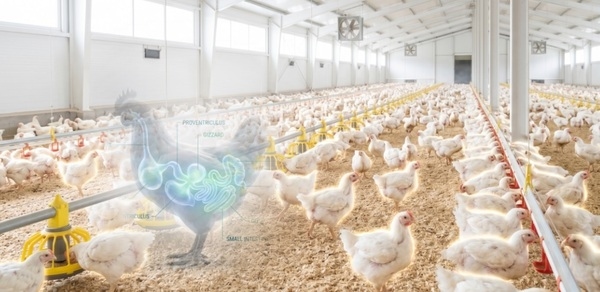
The modern poultry industry is under increasing pressure to optimize efficiency following the phase-out of antibiotic growth promoters (AGPs). To achieve this, we must prioritize gastrointestinal tract (GIT) health to ensure effective nutrient assimilation and robust immunity.
Growing concerns regarding antimicrobial resistance and food safety risks from antibiotic residues necessitate a shift toward safe, natural alternatives. Non-AGP solutions provide residue-free options that enhance bird health without contributing to resistance. A sustainable strategy moving forward involves integrating improved hygiene, biosecurity, and management practices to focus on meat safety, gut health, and an improved Feed Conversion Ratio (FCR) through optimal nutrient absorption.
"ANTIBIOTICS MAY SOLVE TODAY'S PROBLEMS; THEY CREATE SIGNIFICANT RISKS FOR TOMORROW."
Antibiotic Misuse in Poultry: A Global Health Threat
Antimicrobial Resistance (AMR) in the Indian poultry market is a major concern, largely due to the continued use of Antibiotic Growth Promoters (AGPs). High levels of resistance have been found in common poultry pathogens like Salmonella, E. coli and clostridium in key production hubs. While India has implemented a National Action Plan (2017) and banned the “last-resort” antibiotic Colistin (2019) for use in food-producing animals, AGPs remain common due to weak regulation and lack of awareness, despite recommendations from the Bureau of Indian Standards (BIS) against their use.
While Antimicrobial Growth Promoters (AGPs) provide effective short-term control, their long-term consequences are significant and cannot be overlooked. These issues include the development of Antimicrobial Resistance (AMR), the presence of residues in meat and eggs, which raises food safety concerns, disruption of the natural gut microbiota, and escalating regulatory restrictions and export limitations.
Understanding the Core Challenge: Gut Health
Modern poultry performance is closely linked to gut efficiency and microbial balance. A compromised gut leads to poor nutrient absorption, increased feed conversion ratio (FCR), wet litter and ammonia issues, and higher susceptibility to infections such as necrotic enteritis.
A key contributor to this imbalance is the presence of undigested feed components, particularly non-starch polysaccharides (NSPs) and complex proteins. These undigested nutrients become a breeding ground for harmful bacteria, triggering gut dysbiosis and performance losses.
Targeted Control: A Biological and Precise Approach to a Shifting Paradigm
Instead of broadly suppressing microbial populations, a more advanced strategy is to selectively control harmful bacteria while supporting beneficial gut flora. This is where alternative, non-antibiotic solutions are gaining significant attention. One such strategy involves leveraging naturally occurring compounds, known for their potent antimicrobial properties. These alternatives often target the integrity of pathogenic bacterial cell membranes or interfere with their communication (quorum sensing), thereby controlling the proliferation of both Gram-positive and Gram-negative organisms.
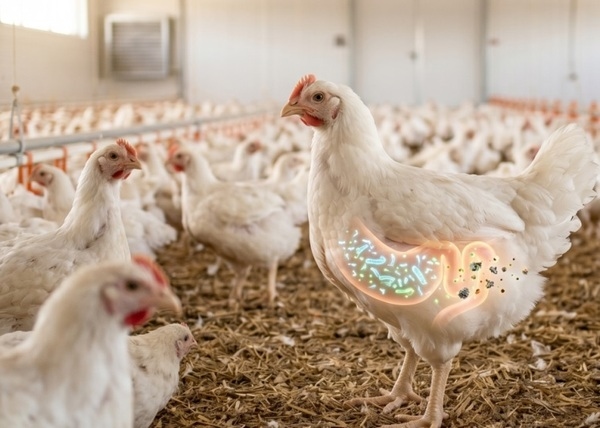
Unlike conventional antibiotics that act broadly and may disturb microbial balance, this approach enables a more precise and biologically aligned modulation of the gut ecosystem.
GALLINASE: A Mechanistically-Driven Solution
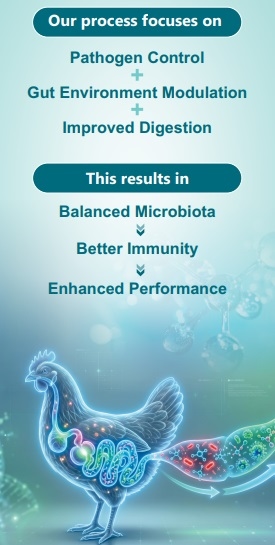
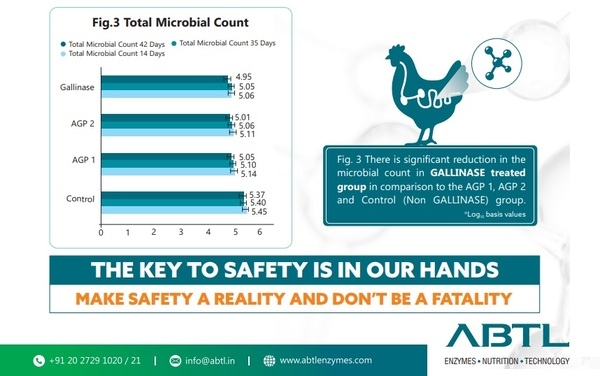
ABTL offers GALLINASE, a comprehensive feed supplement formulated to enhance the enteric environment through the synergistic action of three primary components: Lysozyme, Glucose Oxidase and Sodium Taurocholate.

Benefits:
• Actively eliminates pathogenic bacteria and reduces harmful microbial load.
• Supports the growth and stability of beneficial gut microbiota.
• Improves gut integrity, overall intestinal health, and immunity.
• Assists with stress management.
• Ensures no resistance or residues.
• Improves meat quality and safety.
• Supports the growth and stability of beneficial gut microbiota.
• Improves gut integrity, overall intestinal health, and immunity.
• Assists with stress management.
• Ensures no resistance or residues.
• Improves meat quality and safety.
Unlike conventional approaches, Gallinase enables birds to perform efficiently by optimizing their internal ecosystem rather than relying on external suppression.
Related topics:
Authors:



Recommend
Comment
Share

Would you like to discuss another topic? Create a new post to engage with experts in the community.












Featured users in Poultry Industry

Dr. Algis Martínez  Cargill
DVM, Diplomado ACPV - Poultry Veterinarian North America Cargill
United States
United States