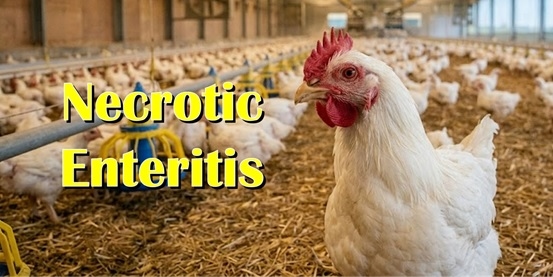
Necrotic Enteritis (NE), primarily caused by Clostridium perfringens, stands as one of the most devastating gastrointestinal pathologies in modern poultry production, with global economic losses estimated at approximately US$6 billion annually. Beyond its high clinical mortality rates, the "silent" subclinical form of the disease inflicts profound economic damage through impaired nutrient absorption, poor feed conversion ratios (FCR), and significant growth retardation. As the global industry shifts toward antibiotic-free production, maintaining intestinal integrity has transitioned from a management goal to a financial necessity. Understanding the synergy between gut health and systemic performance is paramount; optimizing the mucosal barrier not only mitigates disease outbreaks but serves as the fundamental cornerstone for maximizing flock productivity and long-term farm profitability.
What Causes Necrotic Enteritis in Poultry?
The pathogenesis of NE is a multi-stage process initiated by the opportunistic proliferation of toxigenic C. perfringens. While this bacterium has multiple toxinotypes (Types A through G) classified by their combination of major toxins (α, β, ε, ι), Type A and the recently defined Type G are the primary drivers in poultry. Type A, characterized by the α toxin, is a common commensal, but Type G—specifically defined by its ability to produce the NetB toxin—is the most virulent and prevalent type found in clinical avian NE outbreaks.
The transition from commensal to pathogen is triggered by predisposing factors—most notably coccidiosis (Eimeria infection) and high-protein diets—which damage the intestinal mucosa and release plasma proteins. This nutrient-rich environment stimulates the bacteria to secrete potent exotoxins, primarily NetB (Necrotic Enteritis B-like toxin). These toxins puncture epithelial cell membranes, leading to severe mucosal necrosis, "Turkish towel" lesions, and systemic inflammation. Understanding this cascade—from microbial dysbiosis to toxicogenesis—is essential for developing targeted interventions that address the root cause of the infection.
Clostridium perfringens Infection
C. perfringens is a ubiquitous, Gram-positive anaerobe that normally resides in the lower gastrointestinal tract of healthy poultry. However, necrotic enteritis in poultry is highly opportunistic; when dysbiosis occurs—often triggered by high-viscosity diets or coccidial mucosal damage—the homeostatic balance of the gut microbiota is disrupted. These "pre-conditions" provide a nutrient-rich environment that fuels a rapid, logarithmic proliferation of the bacteria. As population density increases, the bacteria utilize quorum sensing to synchronize the secretion of potent toxins, effectively transitioning from a harmless resident to a lethal pathogen that dismantles the intestinal architecture.
Bacterial Toxin Production
The hallmark of necrotic enteritis in poultry is the secretion of potent exotoxins, such as NetB and Alpha-toxin (CPA). Upon rapid bacterial proliferation, these toxins target the host's intestinal epithelial cells, forming pores in the plasma membranes that lead to catastrophic ion imbalances and cellular lysis. This localized destruction initiates a cascade of extensive mucosal necrosis, characterized by the detachment of the intestinal lining and the formation of a pseudomembrane (the "Turkish towel" appearance). Consequently, the gut's barrier function collapses, allowing for nutrient leakage and systemic inflammation, which directly manifests as lethargy and high mortality seen in clinical outbreaks.
Routes of Transmission
The transmission of C. perfringens within a flock is primarily driven by the fecal-oral route, facilitated by a contaminated production environment. Litter management is a critical factor; damp or poorly managed bedding serves as a reservoir for bacterial spores, which are exceptionally resistant to environmental stress. Furthermore, contaminated feed and water systems act as high-efficiency vectors, rapidly dispersing the pathogen across the entire shed. Inadequate biosecurity measures—such as shared equipment or personnel movement between houses—further accelerate horizontal transmission. Once established, the continuous ingestion of spores from the environment ensures a persistent microbial challenge, leading to the rapid escalation of a localized infection into a flock-wide outbreak.
Common Predisposing Factors for Necrotic Enteritis in Poultry
The emergence of NE is rarely the result of a single pathogen; rather, it is a multifactorial syndrome triggered by a cascade of physiological stressors. The primary catalyst is often coccidiosis (Eimeria infection), which causes mechanical damage to the intestinal mucosa, leaking plasma proteins that serve as a high-quality substrate for C. perfringens growth. Additionally, dietary factors such as high inclusion levels of viscous cereals (wheat, barley, or rye) or excess animal-source proteins increase digesta viscosity and slow transit time, favoring bacterial fermentation. When combined with management stressors—including poor litter quality, high stocking density, and abrupt feed changes—these factors collectively overwhelm the bird’s immune defenses, creating a "perfect storm" for an explosive NE outbreak.
Impact of Coccidiosis
Coccidiosis serves as the ultimate "opening act" for necrotic enteritis in poultry. As Eimeria parasites invade and replicate within the intestinal epithelium, they cause extensive mechanical tissue damage and trigger a profound inflammatory response. This trauma leads to the leakage of plasma proteins (mucoid exudate) into the gut lumen, providing a high-protein nutrient broth that specifically favors the rapid proliferation of C. perfringens. Furthermore, the disruption of the mucosal barrier and the localized immune suppression caused by the coccidial challenge create an ideal anaerobic niche, allowing the bacteria to transition from a commensal state to a toxin-producing pathogenic state.
High-Protein Feed Risks
From a nutritional perspective, the inclusion of excessive animal-source proteins, such as fishmeal, or high-viscosity cereals like wheat, barley, and rye, creates a hazardous intestinal environment. High-viscosity grains contain non-starch polysaccharides (NSPs) that increase the thickness of the digesta, slowing transit time and trapping nutrients. Meanwhile, undigested animal proteins reaching the hindgut provide a rich nitrogen source for proteolytic bacteria. This combination reduces nutrient digestibility for the bird while providing a selective growth advantage for C. perfringens, effectively turning the gastrointestinal tract into a fermentation vessel for harmful toxins.
Identifying Gross Lesions
At necropsy, PEDV reveals hallmark thin, transparent small intestinal walls that fail the "ink test" – ink applied externally fails to penetrate due to fluid loss. Mesenteric lymph nodes appear markedly swollen and edematous, reflecting immune activation. Intestines contain yellow watery fluid mixed with undigested milk curds, contrasting with gas-distended loops in healthy piglets. These gross lesions – villous flattening visible as shortened, pale mucosa – confirm malabsorption as the core pathology, guiding urgent supportive care.
Management and Stress
Environmental stressors—such as high stocking density, poor ventilation, and extreme temperature fluctuations—exert a profound physiological toll on poultry. These conditions trigger the release of corticosterone, which suppresses the systemic immune response and disrupts the intestinal mucosal barrier. Poor ventilation increases ammonia levels, further stressing the respiratory and digestive systems. When birds are overcrowded or heat-stressed, gut motility is often altered, and the "leaky gut" phenomenon allows C. perfringens to bypass weakened cellular junctions. In this compromised state, even a low-level bacterial challenge can rapidly escalate into necrotic enteritis in poultry, as the host's natural resilience is fundamentally eroded.
Necrotic Enteritis vs. Coccidiosis: What Are the Differences?
Precise diagnosis is the linchpin of effective intervention, as NE and coccidiosis often present with overlapping clinical signs such as lethargy and mucoid droppings. While coccidiosis is caused by Eimeria protozoa—often serving as the biological precursor to NE—the two diseases are etiologically and pathologically distinct. Coccidiosis typically presents with pinpoint hemorrhages (petechiae) or thickening of the intestinal wall, depending on the Eimeria species. In contrast, NE is characterized by a "friable," gas-filled intestine and the presence of a diphtheritic pseudomembrane, commonly described as a "Turkish towel" appearance. Distinguishing the focal lesions of coccidia from the extensive, confluent necrosis of C. perfringens is critical to ensure that anti-protozoal treatments are not mistakenly applied to bacterial infections, and vice versa.
Pathogen and Biology
The biological distinction between C. perfringens and Eimeria species dictates their divergent management strategies. As a prokaryotic bacterium, C. perfringens reproduces via rapid binary fission, allowing for exponential population spikes when environmental conditions shift. Conversely, Eimeria are eukaryotic protozoa with a complex, multi-stage life cycle involving both asexual and sexual replication within the host and a mandatory maturation phase (sporulation) in the environment. While bacterial control focuses on stabilizing the microbiome and neutralizing toxins, coccidiosis management requires breaking the parasitic cycle through precisely timed vaccinations or ionophores to prevent oocyst shedding.
Clinical Lesion Comparison
To facilitate rapid field diagnosis, the visual distinction between these two conditions is paramount during necropsy. NE is characterized by a "cooked-meat" appearance, with the intestinal wall becoming thin, friable, and distended with gas. The most definitive sign is the diphtheritic pseudomembrane—a tan or yellowish-green "Turkish towel" layer of necrotic tissue. In contrast, coccidiosis typically presents with localized pathology: E. tenella causes bloody, core-filled ceca, while other species produce distinct white transverse bands or petechial hemorrhages (pinpoint red spots) without the widespread, confluent sloughing of the mucosa seen in NE.
The Synergistic Connection
In commercial poultry production, NE and coccidiosis are not merely isolated threats; they exist in a state of pathogenic synergy. The mechanical damage from Eimeria replication creates the very substrate C. perfringens requires for explosive growth. Therefore, treating one while ignoring the other is a futile exercise. Success requires an integrated, holistic gut health strategy—combining coccidiosis vaccination or ionophores with nutritional interventions like postbiotics and probiotics—to fortify the intestinal barrier against this dual-threat invasion.
Common Clinical Signs of Necrotic Enteritis in Poultry
Early detection of necrotic enteritis in poultry is necessary to minimize catastrophic flock losses. Clinical signs often begin subtly with depressed growth rates and "ruffled" feathers, quickly escalating to acute morbidity. In the field, look for birds that are huddling, lethargic, and producing dark, blood-stained, or mucoid droppings (diarrhea). A sharp, unexplained spike in mortality—sometimes reaching 1% daily—is a definitive red flag. Upon necropsy, the pathognomonic sign is a fragile, gas-distended small intestine containing a tan-colored pseudomembrane. Monitoring feed intake and water consumption daily allows producers to bridge the gap between subclinical infection and a full-scale outbreak, enabling rapid therapeutic or nutritional intervention.
Acute Mortality Rates
In acute outbreaks of NE, the transition from apparent health to death occurs with startling velocity. High-pathogenicity strains of C. perfringens can trigger sudden mortality without prior warning signs, with losses sometimes exceeding 1% of the flock daily. Affected birds exhibit profound depression, remaining motionless with ruffled feathers and closed eyes (somnolence). A characteristically steep mortality curve serves as a critical diagnostic alarm, signaling an immediate need for therapeutic intervention to halt the rapid, toxin-mediated destruction of the intestinal tract before the entire house is compromised.
Subclinical Growth Stunting
Subclinical NE is the "silent thief" of poultry profitability, often evading detection due to the absence of overt mortality. Instead, it manifests as persistent growth stunting and a marked decline in FCR. The underlying mucosal damage impairs nutrient absorption, leading to poor flock uniformity and increased days to market weight. Because these subtle performance erosions can persist unnoticed for weeks, the cumulative economic impact—measured in wasted feed and degraded carcass quality—frequently surpasses the losses incurred during an acute clinical outbreak.
Typical Gross Lesions of Necrotic Enteritis
During a field necropsy, the most definitive visual indicators of NE are localized in the jejunum and ileum. The small intestine typically appears severely distended with gas (crepitant) and contains a thin, extremely friable wall that tears easily. The hallmark lesion is the diphtheritic pseudomembrane—a rough, yellow-to-brownish "Turkish towel" layer of necrotic tissue covering the mucosa. In advanced cases, the intestinal lumen may be filled with dark, foul-smelling liquid and sloughed cellular debris, providing a clear diagnostic contrast to the focal hemorrhages of coccidiosis.
Effective Treatment Strategies for Necrotic Enteritis in Poultry
When an NE outbreak occurs, emergency protocols must evolve from simple pathogen eradication to an integrated management of mucosal restoration and cycle blockade. The immediate priority is suppressing the C. perfringens load while neutralizing the "pioneer" role of coccidia to break the pathogenic chain. Incorporating functional additives like Muco-defen® supports this transition; its key component, Surfactin, provides a natural bactericidal effect that disrupts pathogen cell membranes and inhibits coccidian sporulation. This biological blockade, combined with the promotion of mucosal integrity, shortens the "leaky gut" window. By shifting focus from merely reducing mortality to actively rebuilding physiological function, producers can rapidly stabilize flock performance and minimize economic loss.
Antibiotic Interventions
When clinical outbreaks necessitate antibiotic intervention, a precise and scientifically grounded approach is mandatory. Treatments must be administered under strict veterinary supervision, focusing on targeted therapy rather than blanket medication. It is vital to strictly adhere to established withdrawal periods and implement rigorous drug residue testing. This disciplined approach ensures full compliance with food safety regulations and safeguards poultry meat quality, maintaining consumer trust while effectively curbing bacterial proliferation within the flock through responsible and judicious use of medicinal resources.
Gut Barrier Recovery
After the acute phase of infection, the primary focus must shift to gut barrier recovery. Accelerating the repair of damaged intestinal villi is essential to prevent secondary pathogen invasion. By utilizing specialized nutrients and functional additives, producers can reinforce the physical barrier and restore the mucosal surface. Strengthening tight junction proteins and promoting epithelial cell regeneration effectively "seals" the gut, ensuring that the bird’s nutrient absorption capacity is restored while proactively blocking the opportunistic reentry of C. perfringens into the bloodstream.
Feed and Water Hygiene
After the acute phase, the focus must shift to gut barrier recovery to prevent secondary infections. Utilizing specialized nutrients and additives, such as phytogenics and Surfactin, accelerates the repair of damaged villi and reinforces the physical barrier. While phytogenic compounds provide antioxidant support to the mucosa, Surfactin promotes a stable environment by inhibiting further bacterial colonization. Strengthening tight junction proteins and epithelial integrity effectively "seals" the gut, restoring nutrient absorption and proactively blocking the reentry of C. perfringens into the bloodstream.
Prevention Through Strict Biosecurity Measures
To ensure sustainable poultry production in an antibiotic-free era, long-term success depends on a comprehensive "inside-out" defense strategy. This begins with external biosecurity—controlling personnel and equipment—but must be reinforced by proactive gut health management. By fostering a balanced microbiota and enhancing immune surveillance, birds can better resist the colonization of C. perfringens. Integrating functional feed solutions that promote immunomodulation ensures that the intestinal lymphoid tissue remains vigilant. This holistic approach, focusing on mucosal integrity and internal resilience, is the cornerstone of sustainable farming, aligning animal welfare with the global demand for safer, chemical-free poultry products.
Farm Disinfection Protocols
Maintaining a disease-free farm starts with rigorous farm disinfection protocols during the downtime between flocks. A complete cleanup requires removing all organic matter, followed by a high-pressure wash and the application of broad-spectrum disinfectants. Focus on eliminating residual pathogens and oocysts, particularly from corners, feeders, and water lines. Establishing these high sanitation standards is the fundamental baseline for protecting the next flock's health, ensuring that new birds enter a biologically secure environment free from the legacy of previous infections.
Litter and Moisture Control
Effective litter and moisture control is a primary defense against enteric disease. High litter moisture and elevated ammonia levels act as catalysts for C. perfringens proliferation and coccidial cycling. Maintaining a dry environment through proper ventilation and drinker management is essential to inhibiting bacterial growth. By ensuring friable, dry bedding, producers reduce the environmental pathogen load and prevent the mucosal irritation caused by ammonia, thereby significantly lowering the incidence of necrotic enteritis and supporting overall gut stability.
Vaccination and Immunity
Establishing a robust internal defense is the best way to prevent the cascade of events leading to NE. Vaccination against coccidiosis serves as the primary shield, preventing the initial mucosal lesions that C. perfringens exploits. To reinforce this, adding immunomodulators like Lingzhi (Ganoderma) or Cordyceps extracts can significantly boost the flock's resilience. These natural extracts prime the immune system and enhance macrophage activity, ensuring birds can effectively neutralize pathogens and environmental stressors before they escalate into an outbreak.
Strategic Gut Health Management
To achieve sustainable production, the focus must shift toward strategic gut health management using natural, high-performance additives. Solutions like Muco-defen®, which features the patented postbiotic Surfactin, provide a non-medicated approach to stabilizing the intestinal microbiota. By inhibiting pathogen colonization and promoting a balanced microbial ecosystem, such additives build a more resilient digestive defense. This proactive strategy reduces reliance on traditional chemicals and antibiotics, ensuring long-term flock stability and aligning with global trends for clean-label poultry production.
Muco-defen®: A Specialized Postbiotic for Gut Defense
In the global shift toward antibiotic-free production, Muco-defen® emerges as a pivotal solution by leveraging advanced postbiotic technology. Unlike traditional additives, this specialized gut defense formula is designed to stabilize the micro-ecosystem under high-pressure environments. Its core mechanism focuses on reducing the threat of coccidia and C. perfringens. By providing a direct antimicrobial blockade and supporting mucosal integrity, Muco-defen® empowers poultry to maintain a balanced intestinal flora even during high-stress periods. This positioning as a comprehensive bio-shield ensures that producers can meet stringent food safety standards while securing flock performance and intestinal resilience.
The Power of Patented Surfactin Technology
At the core of Muco-defen® lies its patented Surfactin technology, which employs a unique physical sterilization mechanism. Unlike traditional antibiotics that rely on biochemical interference, Surfactin acts as a biological detergent that "physically punctures" and disrupts the lipid bilayers of pathogen cell membranes. This structural disruption is fundamentally different from chemical inhibition, offering high thermal stability and ensuring that bacteria cannot develop resistance. By effectively neutralizing C. perfringens and coccidial sporulation through physical force, it provides a consistent, long-term solution for gut pathogen management.
Natural Inhibition of Coccidia and Pathogens
Muco-defen® provides a powerful dual-action defense by disrupting the life cycle of key pathogens from the source. It effectively blocks coccidial oocyst sporulation and inhibits the rapid proliferation of C. perfringens, dismantling the primary triggers of intestinal outbreaks. Its specialized formulation exhibits superior heat tolerance, maintaining full biological activity even after the extreme high-temperature and high-pressure conditions of feed pelleting. This ensures that the antimicrobial and anti-parasitic effects remain precise and stable during field applications, delivering consistent protection to every bird in the flock.
Strengthening the Gut Barrier and Immunity
Beyond pathogen inhibition, Muco-defen® plays a vital role in mucosal repair and microbial modulation. By stabilizing the gut microbiota and stimulating the development of intestinal villi, it reinforces the physical barrier against secondary infections. This enhanced structural integrity, combined with boosted gut immunity, significantly improves nutrient absorption and lowers the FCR. By minimizing the metabolic cost of inflammation and disease, Muco-defen® transforms gut health into tangible economic gains, ensuring higher yield and profitability for farm owners.
Conclusion
In summary, effective prevention of NE requires a multifaceted approach that bridges meticulous on-farm management with advanced scientific solutions. By combining rigorous biosecurity and moisture control with the proactive use of Muco-defen®, producers can establish a formidable defense against coccidia and clostridial challenges. This synergy not only secures intestinal integrity and optimizes FCR, but also ensures consistent production performance in an antibiotic-free landscape. Investing in such a comprehensive strategy is the key to maximizing farm profitability and achieving long-term sustainability.
Ready to transform your flock’s health and boost your bottom line?
Contact Life Rainbow Biotech today to learn more about our innovative gut health solutions and tailored technical support.