Role of polyphenols beyond antioxidants in poultry
Published: March 10, 2026
Source : Dr. Ajay Chalikwar / B. V. Sc. & A. H., MBA (Marketing), National Technical Head, IRIS Life Solutions Pvt. Ltd., Bengaluru, India.
India is now ranking world’s 3 rd largest economy supported by swift change in the policies and development in the technology and manufacturing sector. Youth are playing major role in the growth of India. There is remarkable growth in the purchase power parity.
Due to the growing demand for the nutritious food and increased awareness about the health, post COVID era, there is huge demand for the animal protein which are essential for maintenance of immunity and overall health.
Poultry meat, eggs, milk, and fish serve as rich sources of protein, essential amino acids, vitamins, minerals and micronutrients. Animalsourced protein foods provide crucial nutrients that support the growth and development in children, maintenance of muscle mass and function in in the exercising individuals.
Most animal-sourced protein foods contain all the required essential amino acids in proportions that are suitable for meeting human requirements and are considered as a complete protein. Many plant-derived proteins, on the other hand, contain low amounts of one or more essential amino acids such as leucine, lysine, or methionine and are considered incomplete proteins (Sydney Sheffield, July 2024).
Poultry meat and eggs are now one of the major sources of protein food worldwide which is the most produced meat globally, accounting for about 40% of total meat production as of 2024. The United States, China, and Brazil are the top three poultry-producing countries, while Asia is the largest region for both production and consumption. India ranks 5th in global meat production and 3rd in egg production. Combined animal protein share of poultry meat and eggs will be around 48% by the year 2031 (Rabobank projections of FAO, USDA and local statistics 2023).
As poultry meat is rich in poly unsaturated fatty acids (PUFA) also called omega 6 fatty acids and monounsaturated fatty acids, called as omega 3 fatty acids which reduces risk of cardiovascular diseases and blood pressure (Dragon Milicevic 2014).
Significant genetic research is underway in broilers and egg type chickens to meet the surging need of poultry meat and eggs.
The research in the broiler is helping to improve growth rate, feed efficiency, increasing breast yield, reducing mean age, improving livability and robustness and improving welfare indices like reducing leg deformities and metabolic syndromes like ascites and SDS due to balanced breeding (K. M. Hartcher et. al., 2019).
Generation of free radicals
Free radicals are formed in poultry primarily as a result of an imbalance between the production of reactive oxygen species (ROS) and the bird's intrinsic antioxidant defense mechanisms, a condition known as oxidative stress (V. Lobo et. al., 2010). This imbalance is driven by several factors, which can be categorized into environmental, nutritional, microbial, and processing-related causes.
Free radical generation in poultry occurs both at the cell membrane and the cellular (intracellular) level, primarily as a result of metabolic and environmental stress (E. Cadenas et. al., 2000). Increased lipid peroxidation, a process in which free radicals snatch electrons from lipids in cell membranes, leading to cell damage
Free radicals are reactive oxygen species (ROS) such as: Superoxide anion (O2 - ), hydrogen peroxide (H2O2), hydroxyl radical (OH°) and singlet oxygen (1O2) (Kohen R et. al., 2000). These are byproducts of normal cellular metabolism, especially during aerobic respiration. Reactive nitrogen species (RNS) are a family of antimicrobial molecules derived from nitric oxide and superoxide. They are produced by immune cells in response to inflammation and can also be formed as byproducts of metabolic processes. They are peroxynitrite (ONOO- ), and Nitrogen Dioxide (NO2) (Yermilov V., 1995).
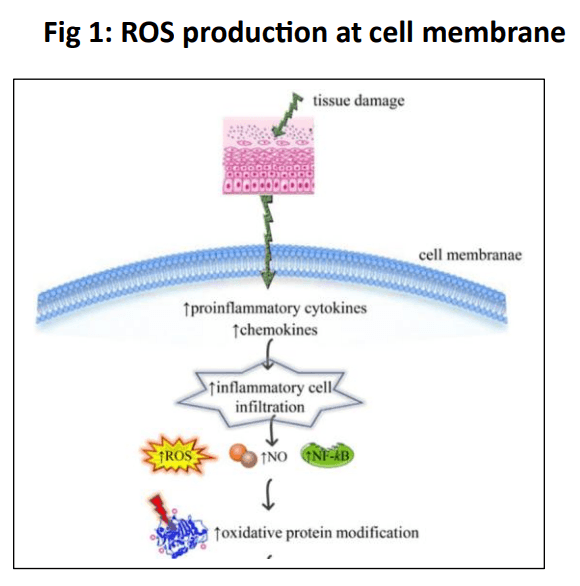
Site of generation of free radicals
- At the Cell Membrane Level - Polyunsaturated fatty acids (PUFAs) in the lipid bilayer are highly prone to oxidation, lipid peroxidation occurs when ROS attack these fatty acids which intern damages the phospholipid membrane, affecting permeability and fluidity (Wagner B.A et. al., 1994).
- At the Cellular (Intracellular) Level - Main sites: (Enrik Cadenas 2004).
1. Mitochondria – During oxidative phosphorylation, leakage of electrons leads to superoxide formation.
2. Endoplasmic Reticulum – Protein folding generates ROS.
3. Peroxisomes – Fatty acid oxidation forms H₂O₂.
4. Phagocytic cells (heterophils/macrophages) – Generate ROS during respiratory burst as part of immune defense.
Consequences of Excess ROS generation in the body
If antioxidant systems (e.g. SOD, catalase, glutathione peroxidase, vitamin E, selenium) are insufficient, ROS leads to damage to the membrane, enzyme inactivation, mutations and apoptosis of the cells and reduce growth, reproduction and immunity (Borut Poljask 2013).
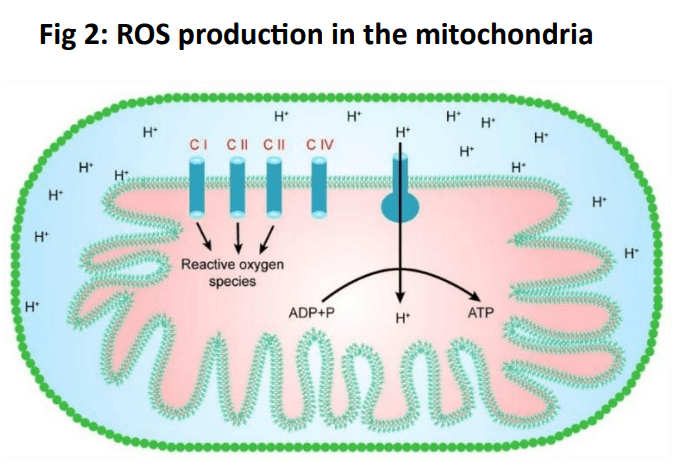

Average somatic cells like epithelial cells have 200 to 1000 mitochondria and in high energy cells like muscle, liver and oocytes there are 1000 to 10000 mitochondria (Dorothy R. Haskett 2014).
Mechanism of generation of free radicals.
1. Mitochondrial Respiration: due to high metabolic rate and rapid growth in broilers (Safdar and Maghami 2014).
2. Fenton and Haber-Weiss Reactions: Fenton reaction involves ferrous (Fe2+) iron reacting with hydrogen peroxide (H202) and produce hydroxyl radical (OH. ). The Haber-Wiess is the cycle where superoxide (O.- ) reduces to ferric iron (Fe3+) (Le Zang 2021).
Fig 3: cellular damage by free radicals.
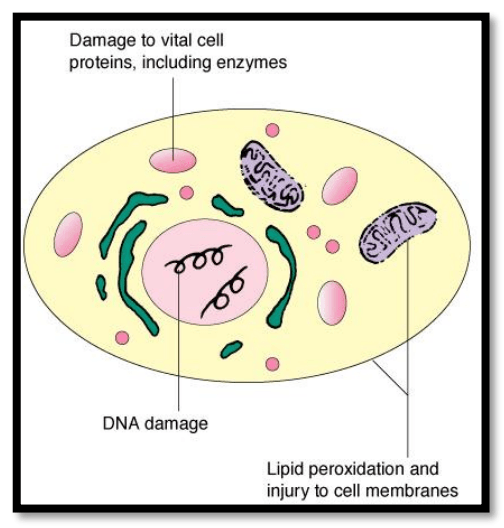
Key contributing factors
Managemental factors like high stocking densities, transportation stress, and poor ventilation (leading to ammonia accumulation) can induce stress and increase free radical production (OE Oke et. al., 2024).
Nutritional Factors
- Oxidized Feed Ingredients: The use of oxidized fats and oils in the diets increase production of ROS in to the animal system (Peng Lu et. al., 2025).
- Mycotoxins and other feed Toxins: Mycotoxins (aflatoxins, ochratoxins, DON, T2, Fumonisin) in feed increase ROS generation and further reduce production of endogenous SOD, CAT, GPx leads to cellular damage and impaired health in the affected birds (Checa J J et. al., 2020). Heavy metals like lead, cadmium, arsenic and pesticides and herbicides increase production of ROS leading to oxidative stress (Rohollah Ebrahimi 2023).
- Mineral Imbalance: High dietary Fe+ and Cu+ can accelerate the formation of free radicals via the Fenton reaction, while deficiencies in Se, Zn, and Mn can impair the bird's ability to neutralize them (Kai Qiu 2023).
Biological and Pathological Factors
- Immune Response: The bird's immune cells (macrophages and neutrophils) produce ROS in an "oxidative burst" as a defense mechanism to kill invading pathogens (Haiqi He 2003).
- Genetic Predisposition: Modern birds have a higher metabolic output and are inherently more susceptible to oxidative stress due to limited thermotolerance and a less robust antioxidant system (Li Zhang 2021).
Genetic selection and its impact on antioxidant system
Consequences in Broiler Breeders - Broiler breeders are genetically similar to fast-growing broilers but are feed-restricted to control body weight and reproduction and this combination of high metabolic potential and nutrient restriction worsens oxidative imbalance (M T Lee 2018).
Key impacts include:
Reduced reproductive efficiency: Oxidative damage in ovarian and sperm cells.
Mitochondrial dysfunction: Reduced ATP output, premature cellular aging.
Altered redox signaling: Impaired metabolic and hormonal regulation (e.g., insulin, thyroid).
Muscle and vascular damage: Myopathies and reduced tissue integrity
Consequences in the broilers -Modern broilers grow 3–4 times faster and reach market weight with 30–40% less feed compared to birds from the 1950s. However, this comes with metabolic and oxidative trade-offs. (Selina Acheampong 2024). oxidative stress negatively impacts various meat quality attributes overproduction of free radicals from stress damages muscle tissues, leading to detrimental changes in appearance, texture, and flavour (Li Zhang et. al., 2021). Genetic selection for rapid growth in broilers has dramatically increased meat yield but has also negatively impacted meat quality, leading to issues like pale, soft, and exudative (PSE) or dark, firm, and dry (DFD) meat, white striping, and wooden breast (Petracci M 2004, Zhang L 2005).
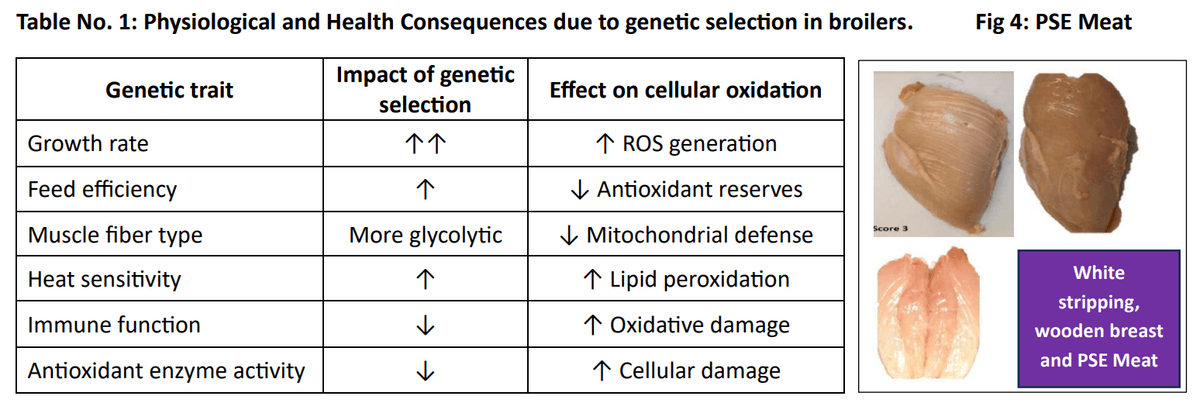
Consequences in the commercial layers
The impact of genetic selection in commercial layers on the production of reactive oxygen species (ROS) can be explained as a cascade of physiological and cellular changes that accompany the drive for higher productivity (Peter F Surai 2019).
The modern leghorns are producing around 500 eggs in 100 weeks (M. M. Bain et. al., 2016) and the efforts are made through improving laying persistency, egg quality, feed efficiency, livability and controlling behavioral traits like feather pecking (Lohman June 2017). This selection increases metabolic activity and oxygen consumption in the liver and ovary (Agri and biological sciences 2024).
Oxidative stress due to viral challenges
Viral diseases in poultry significantly increase oxidative stress in cells by both enhancing the production of reactive oxygen species (ROS) and reactive nitrogen species (RNS) and simultaneously compromising the bird's natural antioxidant defense systems. This imbalance leads to widespread cellular damage, contributes significantly to the disease's pathogenesis and impact on poultry health and productivity (Zaib Ur Rahman et. al., 2018).
Several avian viral diseases have been linked to increased oxidative stress, including Newcastle disease virus (NDV) (Meng C et. al., 2018), Avian Influenza virus (AIV) (Ye S. et. al., 2015), Infectious Bronchitis (IB) (Cao Z et. al., 2012), Infectious bursal disease virus (IBDV) (Rehman Z U et. al., 2016), Avian Reovirus (ARV) (Klucking S. et. al., 2005), Marek's disease virus (MDV) (Hao Y et. al., 1997). There are many other diseases or bacterial and fungal origin that increase oxidative stress.
Mechanisms of Increased Oxidative Stress in viral challenges -
- Immune Response (Oxidative Burst): Macrophages and neutrophils initiate an oxidative burst and the overproduction of ROS can overwhelm the antioxidant system (Fang FC dt. Al., 2011).
- Mitochondrial Dysfunction: Viral components disrupt normal mitochondrial function and cause leakage of electrons resulting in excessive superoxide production within the cell (Reshi M L et. al., 2011).
- Activation of Cellular Pathways: The NF-κB and MAPK pathways produces large amounts of nitric oxide (NO) further contributing to oxidative and nitrative stress (Paiva C N et. al., 2014).
- Suppression of Antioxidant Systems: Viruses can actively suppress or decrease the activity and levels of superoxide dismutase (SOD), catalase (CAT), glutathione peroxidase (GPx) and non-enzymatic glutathione (GSH), vitamin E and vitamin C (Meng Chun Chun et. al., 2018).
Consequences of Oxidative Stress
Lipid peroxidation,
Protein damage,
Membrane damage
DNA damage and
Immunosuppression (Domingo E 1997)
Fig 5: Damages due to oxidative stress.
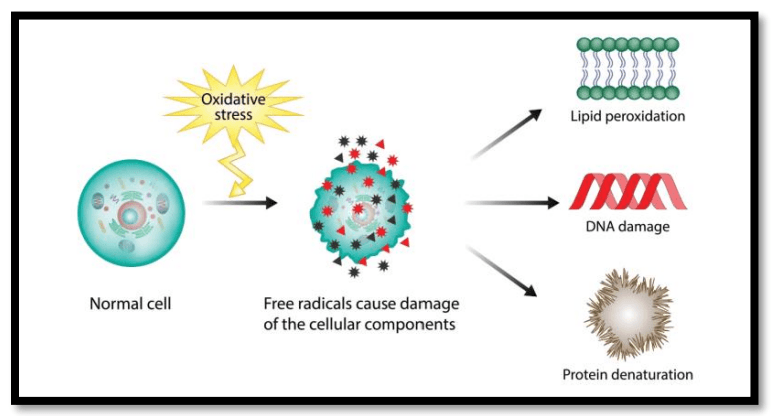
Heat stress increases Oxidative Stress by following mechanisms.
1. Electron leakage leads to mitochondrial Dysfunction and Increased ROS Production (White, M.G et. al., 2012).
2. Reduced Blood Flow (Ischemia-Reperfusion) to the peripheral organs and GI tract (D Wolfenson et. al., 1981).
3. Activation of Pro-Oxidant Enzymes, NADPH oxidase (NOX) (Griendling, K.K 2000) and xanthine oxidase (XO)
4. Activation HPA axis increases the levels of circulating corticosterone (E. M. Oluwagbenga et. al., 2023).
5. Prolonged or chronic heat stress depletes vit E, C, A, and Se, Zn, and Mn, weakening the body's defense against ROS (Abdollah Akbarian et. al., 2016).
6. Oxidative stress in the gut cause leaky gut and compromise gut barrier function (A. Hosseindoust et. al., 2022).
Biomarkers of Oxidative Stress in Modern poultry (Donne Estipona 2024)
↑ MDA (malondialdehyde) — lipid peroxidation marker
↓ GSH (glutathione) — key antioxidant depletion
↓ SOD, CAT, GPx activity — reduced enzymatic antioxidant capacity
↑ Protein carbonyls — oxidative damage to muscle proteins
↑ 8-OHdG — DNA oxidation marker
Economic impact of oxidative stress within cell - Zootechnical and meat yield
FCR ↑,
ADG ↓
Laying % ↓
Mortality ↑
Carcass dressing ↓
Meat: Fat ratio ↓
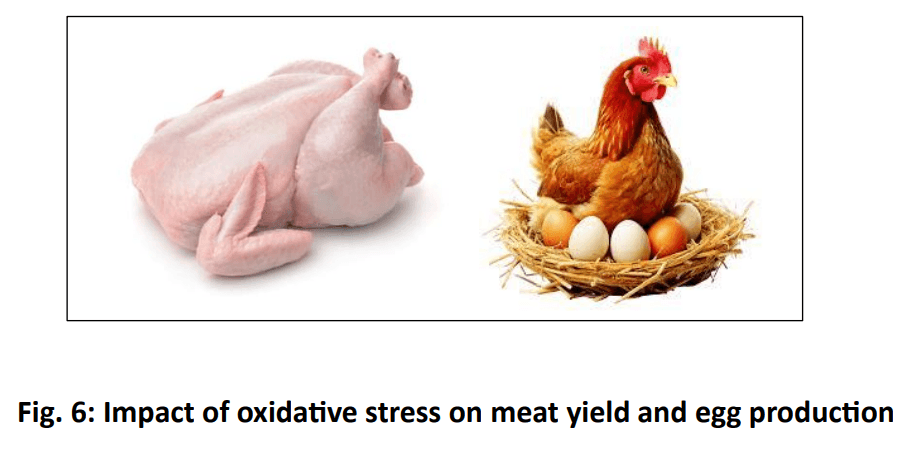
Economic impact of oxidative stress at the cell membrane- Meat / Egg Quality
Drip Loss ↑
Shelf-life ↓ (e.g. TBARS fat oxidation ↑),
Preservation of pigmentation ↓
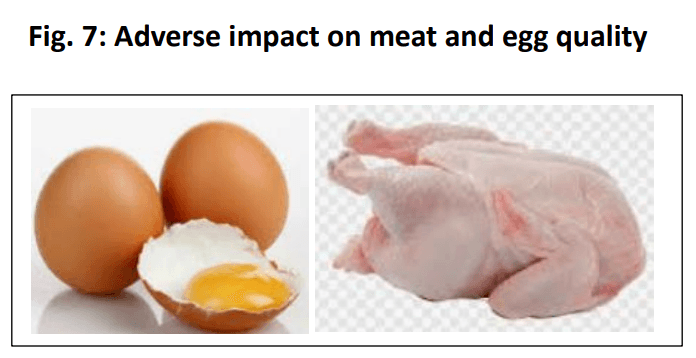
How to control oxidative stress?
Enzymatic antioxidants like glutathione peroxidase (GPX), catalase (CAT), superoxide dismutase (SOD), peroxiredoxins, thioredoxin reductase, etc. are produced in the body. SOD, a first line of antioxidant is involved in the conversion of superoxide into H2O2, which is then neutralized by CAT and GPX to water and molecular oxygen, thereby reducing the levels of harmful ROS (Jeeva et al., 2015).
Supplements to combat oxidative stress in poultry
Vitamin E, C, β carotene, ubiquinol, glutathione, selenium and polyphenols (Therond et. al., 2000). Vitamin E acts as an antioxidant primarily in cell and organelle membranes due to its lipophilic nature (Saliha Rizvi et. al., 2014) and vitamin C being a water-soluble vitamin, has greatest activity within the cells (Viviana Montecinos et. al., 2007). Selenium acts as intracellular and extra cellular but its activity is dependent on production of incorporation into various selenomproteins (Arthur John R, et. al., 2003).
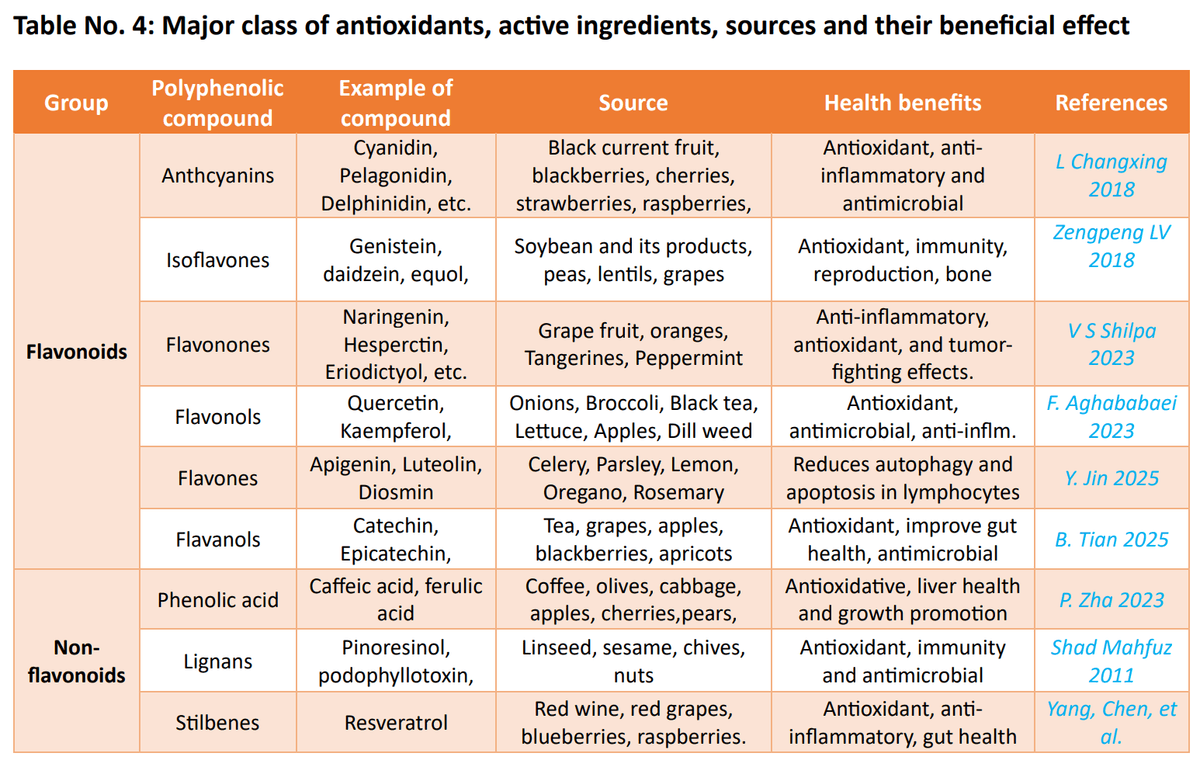
Polyphenols - are secondary metabolites of plants and exerts positive impact on animal performance. They are the major substances produced by the plants present in grains, fruits, vegetables, herbs and present in fruits, flowers, roots, leaves and seeds and are part of plant defense system against pests and UV radiation (Petty and Scully et. al., 2009).
There are around 8000 different molecules are part of polyphenols. They are present in the plants in two forms, aglycons and glycosides and are further divided in to flavonoids and nonflavonoids (Surai 2014).
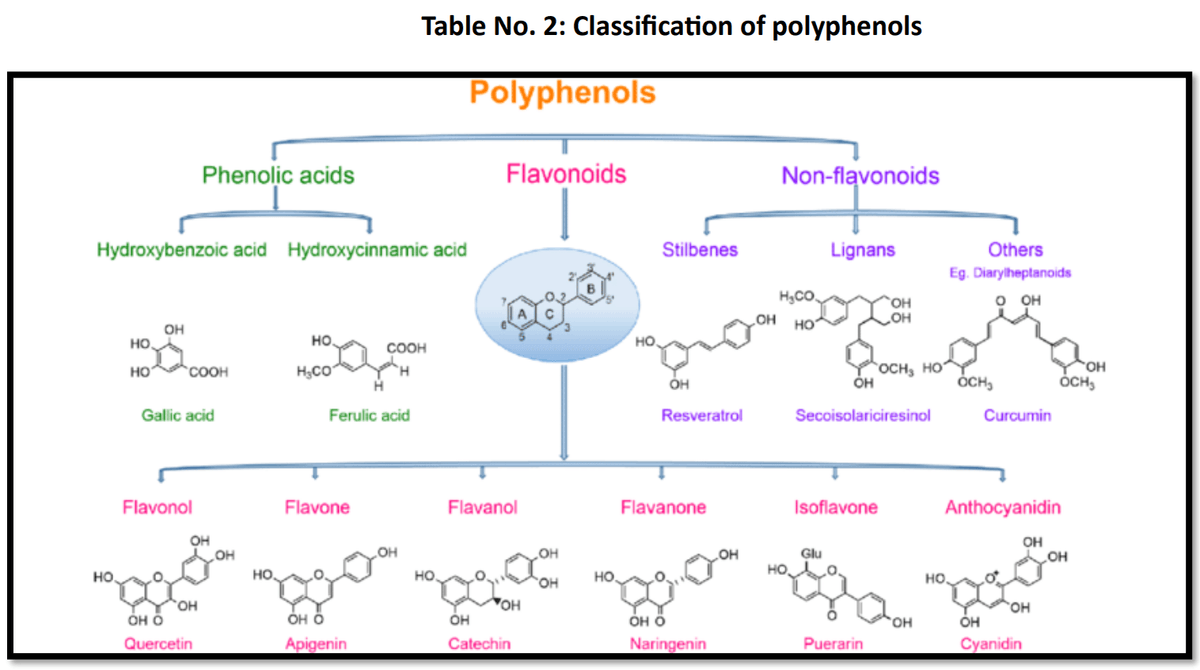
Polyphenols show antioxidant, antimicrobial, anti-inflammatory, anti-allergic, antimutagenic, and immunomodulatory properties (Lipiński et. al., 2017). Polyphenols act as natural antioxidants, and are considered to be involved in the protection of polyunsaturated fatty acids (PUFA), proteins, nucleic acids, and carbohydrate moieties from oxidative stress (OS) and damage due to their free radical scavenging and metal (Fe+ and Cu+ ) chelation properties (Heleno et. al., 2015; Vuolo et. al., 2019).
Supplementation of polyphenols in the diet of broilers increased the level of antioxidant enzymes, i.e. superoxide dismutase (SOD), glutathione peroxidase (GSH-Px), while reducing malondialdehyde (MDA) (MDA is by product of lipid peroxidation) levels in serum, liver and thigh muscle samples (Hashemipour et. al., 2013).
Expressing the biological functions of dietary phenolic compounds primarily rely on their bioavailability (Abbas et. al., 2017), which is substantially different from one polyphenol to another (Scalbert et. al., 2005).
Once absorbed, polyphenolic substances are conjugated by methylation, sulfation, and glucuronidation or a combination in the intestinal mucosa and inner tissues (Han et. al., 2007). However, gut absorption of different polyphenols classified according to their chemical forms.
Phenolics can be extracted from fresh, frozen or dried plant samples. Before extraction, the material is pre-treated by milling, grinding, drying and homogenization. Freeze-drying retains higher phenolic content levels in plant samples than air-drying (Abascal, K et. al., 2005). Phenolic extracts with a high anthocyanin content may also be obtained by using an acidified organic solvent such as methanol or ethanol (Ajila, C.M. et. al., 2011).
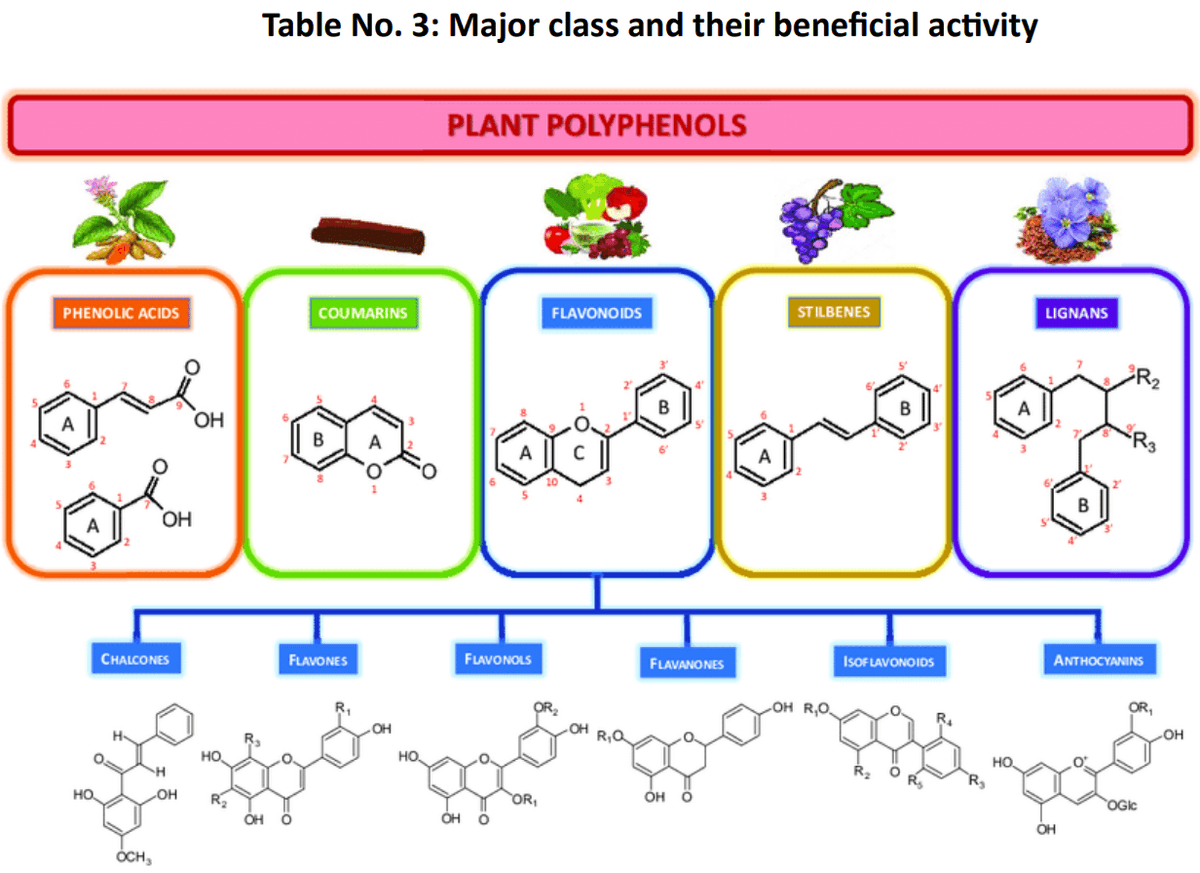
Immunomodulation - Polyphenols can modulate pro-inflammatory genes expression and cytokines production as well as to impact on populations of immune cells (John et al., 2011; Karasawa et al., 2011) by controlling inflammatory response and neutralize inflammatory cytokines and adhesion molecules through the activation of Toll-like receptors (TLR) to NF-κβ (TLRs/NF-κβ) signaling pathway (Wullaert et. al., 2010).
Gut health modulation - Polyphenols can be used to improve gut health due to their established health benefits and strong antioxidant potential. The interaction between polyphenols and the gut microbiota further generates active metabolites, which can modulate the composition of the chicken gut microbiota (Yasir Iqbal et. al., 2020).
Gut ultrastructure development - Polyphenols may exert effects on gut morphology. Feeding broilers with essential oils containing polyphenols caused an increase in villus height in the duodenal section of the gut (Das Q. et. al., 2020). It can also increase absorptive surfaces of the small intestine by modifying its length, crypt depth, and villus width in broilers with lipopolysaccharide stress (Kamboh A. A. et. Al., 2014). via ZO-1 and Claudin3 expression and modulation of gut microbiota.
Anti-inflammatory activity - inhibit inflammatory enzymes like COX and LOX, downregulating signaling pathways like NF-κB, and reducing the production of pro-inflammatory cytokines which is caused by heat stress and mycotoxins, improve gut health, and may enhance productivity and meat quality (Jingyang Zhand et. al., 2024).
Properties of an ideal antioxidant
What to look for?
- Bioavailability – Should be highy bioavailable
- Water-solubility is needed to work perfectly in the intracellular aquous medium
- Small molecules - for excellent intracellular penetration
- Strong antioxidants – should able to quench free radicals at a faster pace with efficiency
What to expect?
- Active in gut and in body
- Cell wall activity
- Intracellular activity
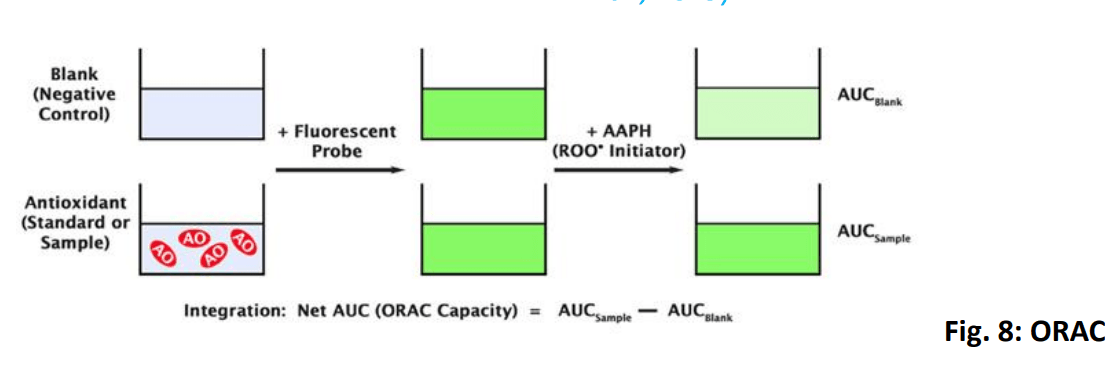
Oxygen radical absorbance capacity (ORAC)
- is a laboratory test that measures the antioxidant capacity of a substance. It quantifies a substance's ability to neutralize free radicals, which are linked to cell damage. While widely used to assess antioxidant power in foods and supplements, ORAC is an in vitro (testtube) measure which is a very important tool to access ability of the antioxidant to quench free radicals in the given solution (Birendra Mishra et. al., 2019).
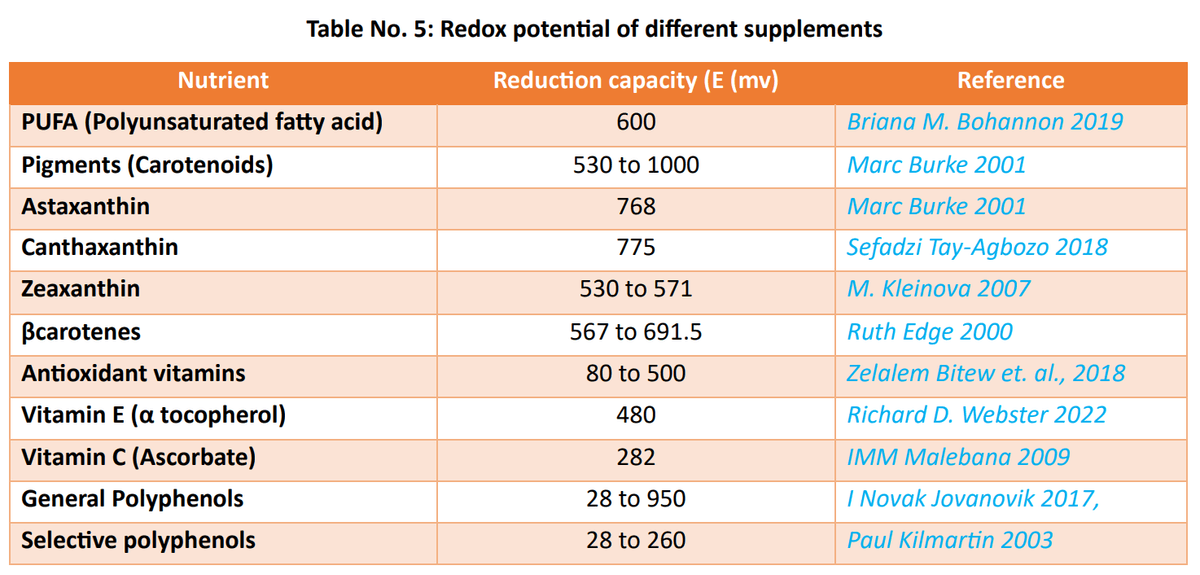
The redox potential of an antioxidant measures its ability to donate electrons to neutralize free radicals. A more negative redox potential indicates a stronger reducing agent, meaning it is more effective at donating electrons, it is also called as oxidation reduction potential (ORP) (Sajan George et. al., 2020).
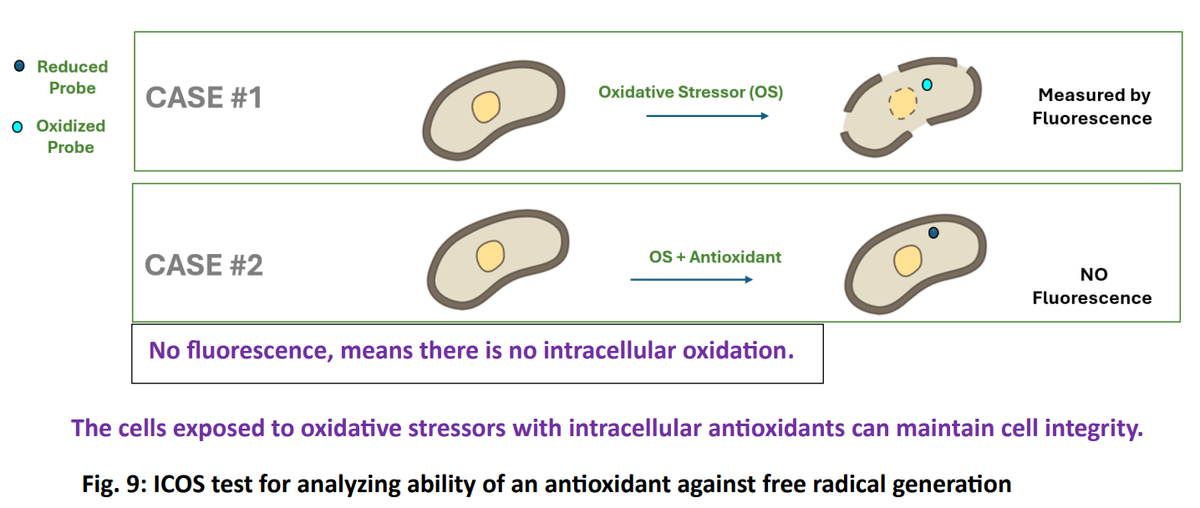
Cellular Antioxidant Activity (CAA)
Assay/Intracellular oxidative stress (ICOS): This is a cell-based assay where cells are pre-incubated with the potential antioxidant compound. A cellpermeable non-fluorescent probe, like DCFH-DA, enters the cell and is deacetylated by cellular esterases to H2DCF (dichlorofluorescin), which remains trapped inside the cell.
Subsequent exposure to a free radical generator (e.g., menadione or H2O2) causes the H2DCF to be oxidized to the highly fluorescent DCF. Antioxidants within the cell inhibit this oxidation, resulting in a decrease in fluorescence intensity that can be quantified using a fluorescence microplate reader or confocal microscopy, the cells without antioxidant or with less cellular antioxidant has higher oxidation, which leads to higher the florescence reading (Meng, D. et. al., 2017).
Selected polyphenols through careful consideration of certain properties like bioavailability, small molecules, water solubility, strong antioxidants, antioxidant activity at the cellular membranes and within the cell and activity in the gut and tissues will end up with substantial improvement meat and egg quality and zoo-technical performance like improvement in egg production and fertility and hatchability in breeders.
There is significant improvement in the egg production, hatchability and fertility in breeders after dietary supplementation of polyphenols (Abdul Hafeez et. al., 2024). This will also help in extending shelf life of table eggs (Muhammad Suhaib Shahid et. al., 2022) and meat (Paulo E S Munekata et. al., 2021).
Low fertility in aging roosters is attributed to an imbalanced testicular oxidant-antioxidant system, with increased reactive oxygen species (ROS) damaging spermatogenic epithelium. However, antioxidant components can enhance antioxidant defenses in aging broiler breeder roosters (Sarallah Yarmohammadi Barbarestani et. al., 2024). Protection against oxidative damage, particularly in the testes, improves reproductive hormone concentrations (Mohamed Ezzat Adb El-Hack et. al., 2022), improve testicular histology, sperm membrane function, and mitochondrial activity and thereby improves semen volume, sperm concentration, viability, motility (Yuqi Chen et. al., 2025). It also helps in improving sperm polyunsaturated fatty acid content (Micheal Ghadimi et. al., 2024), sperm-egg penetration, fertility, and reproductive performance.
Polyphenols can help controlling early embryonic death in poultry primarily by mitigating oxidative stress in both the breeder hens and the developing embryos, and by providing antiinflammatory benefits depending on specific type and dose (Hatchability in poultry July 2025 NorFeed). Not all the polyphenols have this property.
There are more than 8000 active molecules of polyphenols but selection of the molecules, their source plants, time of harvest and method of extractions are key elements in the polyphenol activity in the birds. The same molecules can have pro-oxidant effects on the other cells which is facilitated by the hydroxyl group at the 3 position on the B ring in presence of oxygen and copper ions (Majewska and Czeczot et. al., 2009; Procházková et. al., 2011). Hence, the key is to select the right polyphenolic molecule at the right concentration from the immense range of polyphenolic compounds to avoid adverse health effects.
Conclusion
The present review has shown the direct co-relation of dietary polyphenols and their beneficial impacts on gut health and absorption of macro and micro nutrients in the gut by maintaining intestinal barrier function.
Polyphenols help in maintaining immune status, anti-inflammatory activity of the cells, antimicrobial and antiviral properties. They also help in improving body weight gain, feed intake, feed conversion, immunomodulation and nutrient utilization.
Dietary polyphenols help in improvement in shelf life of poultry meat by reducing pectoral myopathies and woody breast by increasing fiber number per field while decrease in fiber area.
Polyphenol supplementation helps in improvement of egg production and maintain internal and external quality of table eggs.
Supplementing broiler breeder diets with appropriate levels of polyphenols can improve immune status, reproductive performance and hatchability, potentially resulting in the production of 2 to 3 extra dayold chicks per hen. This improvement is primarily attributed to the antioxidant effects of polyphenols. It optimizes avian reproductive performance through redox equilibrium regulation.
Polyphenols exert extra benefits in improving zoo-technical performance rather than only a mere antioxidant.
Related topics:
Authors:

Iris Life Solutions
Recommend
Comment
Share

Would you like to discuss another topic? Create a new post to engage with experts in the community.










Featured users in Poultry Industry