Asia Pacific sets the Pace in Global Feed Enzyme Growth
Published: July 21, 2026
Source : ABTL Enzymes

Global feed Enzymes Market on a Growth Trajectory
Valued at USD 1.49 billion in 2025, the market is projected to reach USD 2.38 billion by 2034. Asia Pacific has emerged as the most influential region, accounting for 34.51% of the global market share in 2025. This dominance underscores the region's significant role in shaping future demand.
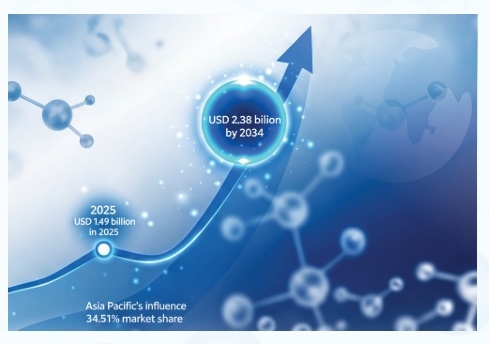
Asia Pacific driving global expansion
The Asia Pacific region is currently driving global expansion in the animal farm and aquaculture sectors, particularly within India, China, Japan, and Southeast Asia. This growth is increasing the demand for high-quality feed products that enhance both efficiency and sustainability.
Feed enzymes are playing a critical role in this shift by allowing producers to replace traditional grains like soybeans, wheat, and corn, thereby reducing reliance on imports. Market projections for 2026 reflect this rapid adoption, with India's feed enzyme market is projected to reach USD 0.1 billion. Highlighting the region's rapid adoption of enzyme-based solutions.
Poultry remains the largest livestock segment, accounting for 43.14% of the global market in 2026, while swine feed continues to grow alongside pork consumption. These trends reinforce the region's increasing reliance on enzyme-based feed solutions.
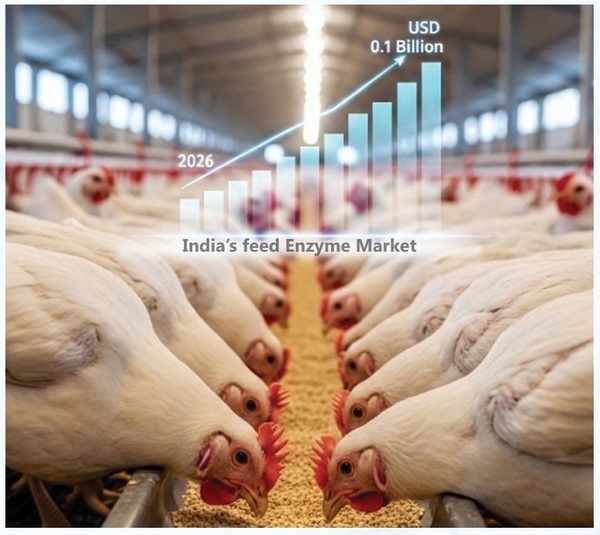
Enzymes transforming Asian livestock production
Recent reports emphasize nutrient utilization as a critical driver for adoption, as feed enzymes improve digestion, enhance nutrient absorption, and serve as sustainable alternatives to antibiotic growth promoters.
With several governments banning antibiotic growth promoters, the environment for enzyme-based solutions is increasingly favourableOpportunities and challenges within emerging markets specifically in India and Southeast Asia.
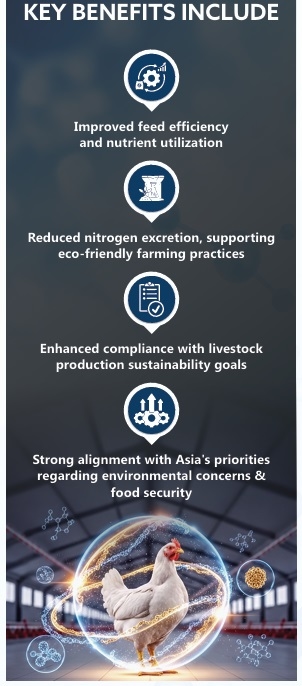
Opportunities and challenges within emerging markets specifically in India and Southeast Asia
These regions present significant potential for expansion, companies are increasingly investing in advanced formulations tailored to diverse animal species to strengthen their market presence.
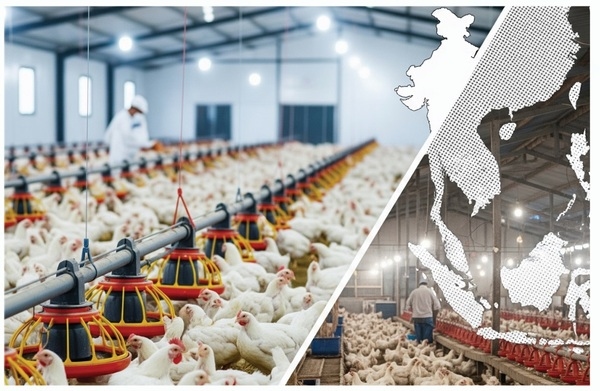
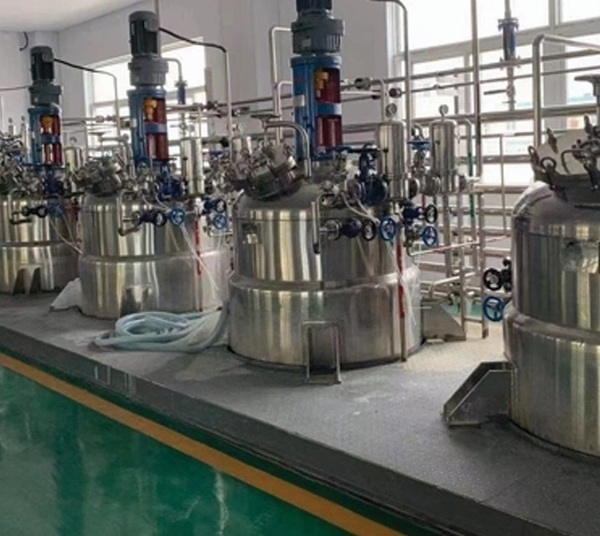
However, we must address certain challenges, such as high production costs and inconsistent efficacy across species. While microbial fermentation is scalable, the complexity of the processes involved continues to drive up costs.
Despite these restraints, the Asia Pacific region remains dominant due to strong demand, supportive policies, and rising consumer expectations for sustainable food systems. With a focus on innovation and sustainability, Asia Pacific is well-positioned to lead the next chapter of growth in the feed enzyme sector.
Related topics:
Recommend
Comment
Share

Would you like to discuss another topic? Create a new post to engage with experts in the community.














Featured users in Poultry Industry

Dr. Algis Martínez  Cargill
DVM, Diplomado ACPV - Poultry Veterinarian North America Cargill
United States
United States