Emergence, migration and spreading of the high pathogenicity avian influenza virus H5NX of the Gs/Gd lineage into America
Author details:
The high pathogenicity avian influenza virus H5N1, which first emerged in the winter of 2021, has resulted in multiple outbreaks across the American continent through the summer of 2023 and they continue based on early 2025 records, presenting significant challenges for global health and food security. The viruses causing the outbreaks belong to clade 2.3.4.4b, which are descendants of the lineage A/Goose/Guangdong/1/1996 (Gs/Gd) through genetic reassortments with several low pathogenicity avian influenza viruses present in populations of Anseriformes and Charadriiformes orders. This review addresses these issues by thoroughly analysing available epidemiological databases and specialized literature reviews. This project explores the mechanisms behind the resurgence of the H5N1 virus. It provides a comprehensive overview of the origin, timeline and factors contributing to its prevalence among wild bird populations on the American continent.
INTRODUCTION
GENOMIC AND PROTEIN FUNCTION OF ORTHOMYXOVIRUS
ECOLOGY AND DYNAMIC OF TRANSMISSION OF AIV
EMERGENCE OF GS/GD LINEAGE VIRUSES
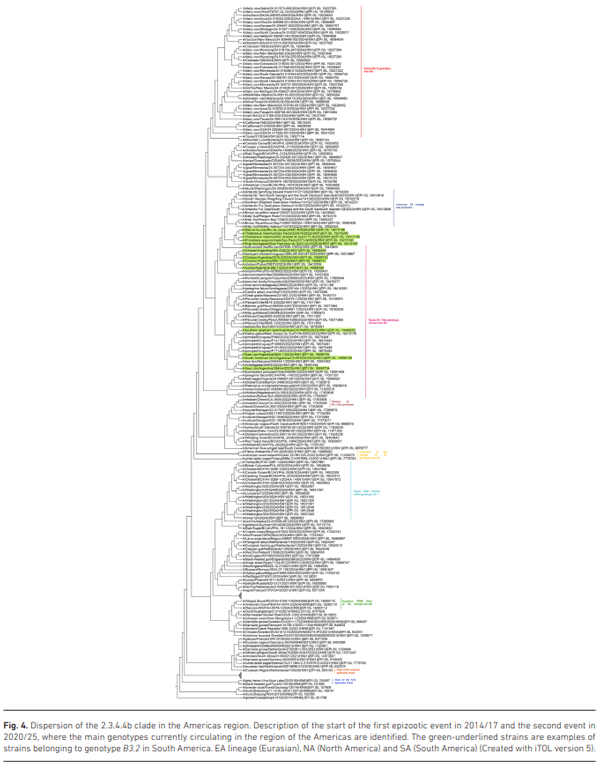
![Fig. 5. Origin of the genotypes from H5N1 viruses 2.3.4.4b clade into America. The strains in which the different genotypes emerged from A/Eurasian wigeon/Netherlands/1/2020 (H5N1) virus and from which 2.3.4.4b clade viruses circulating in America descend; the pink line indicates that the genotype emerged in Europe, orange in Asia, blue in Africa, green in North America and red in South America. Cui et al. initially classified the genotypes that emerged from A/Eurasian wigeon/Netherlands/1/2020 (H5N1) virus into 16 genotypes (G1–G16) [265]; however, the nomenclature from 2.3.4.4b virus clade based in the European Union determined that during the 2020/21 outbreaks, 19 genotypes emerged which were identified by letters (i.e. a, b, c) and in the 2021/22 outbreaks, 31 genotypes emerged which were named with two letters (i.e. AA, AB, AC) and these genotypes have determined that genotype EA-2020-C corresponding to genotype A [266]. Genotypes named BB, AB (H5N1 A/duck/Saratov/29-02/2021-like), CH (H5N1 A/Mallard/Netherlands/18/2022-like), I (H5N5 A/whooper_swan/Romania/10123_21VIR849-1/2021-like), DA (H5N1 A/mute_swan/Slovenia/ PER1486-23TA_23VIR10323-22/2023-like), DB (H5N1 A/herring_gull/Germany-NI/2023AI08764/2023-like), DC (H5N1 A/Common_Buzzard/ Netherlands/23023642-002/2023-like), DD (H5N1 A/Pheasant/England/113705/2023-like), DE (H5N1-A/Chicken/Scotland/114176/2023-like), DF (H5N1-A/Sparrowhawk/Scotland/131359/2023-like) and DG (H5N1 A/chicken/Germany-NI/2023AI08838/2023-like) are the genotypes currently circulating in Europe [244]. Genotype B3.2 emerged in South America on 13 May 2023 and arrived in Brazil in June 2023 [261] (Created with BioRender. com).](/_next/image/?url=https%3A%2F%2Fimages.engormix.com%2FE_articles%2F55902_176.gif&w=1200&q=100)
ORIGIN OF HPAIV H5NX CLADE 2.3.4.4
![Fig. 6. Spread of clade 2.2 during the 2005 outbreak in Qinghai Lake. Potential migratory routes in the virus spread and countries (identified by numbers) where initial outbreaks of the first intercontinental wave were reported. Birds from the south/southeast arrive to breed at the Qinghai Lake (black arrows), and the virus would move to Mongolia (16), Kazakhstan (15) and Russia (14) (red arrows) when the spring migration begins. Birds present in breeding areas in Siberia would reach Romania (6) and Turkey (7) during the 2005 winter migration from the Black Sea/Mediterranean and Eurasian (green arrows). In early 2006, movement occurred towards France (1), Germany (2), Switzerland (3), Italy (4) and Sweden (5) (pink arrow); after its introduction to Europe, some populations moved along the Atlantic and Black Sea/Mediterranean flyways to Egypt (8), Sudan (9), Cameroon (10), Nigeria (11), Burkina Faso (12) and Ivory Coast (13) (purple arrow). Finally, birds wintering in Africa and Europe returned to Siberia (yellow dashed arrows), triggering a new wave of cases in 2007 in Europe and the Middle East. Upon returning to Russia from the intersection zone of the Eurasian and Australasia flyway, they reached China–Mongolia, Southeast Asia [Thailand (23), Laos (22), Vietnam (21) and Indonesia (24)] (black dashed arrows) and emerged in the winter of 2007 in Korea (25) and Japan (26) (blue dashed arrow) (Created with BioRender.com).](/_next/image/?url=https%3A%2F%2Fimages.engormix.com%2FE_articles%2F55902_698_226.gif&w=1200&q=100)
GENETIC GROUPS AND GENOTYPES OF HPAIV H5NX CLADE 2.3.4.4
HPAIV H5NX CLADE 2.3.4.4B
EVOLUTIONARY ADAPTATIONS OF HPAIV H5NX CLADE 2.3.4.4B
INTERCONTINENTAL SPREADING AND ENZOOTIC EVENTS OF HPAIV H5NX VIRUSES
IMPACT AND PREVALENCE OF HPAIV H5NX IN AMERICA
CONCLUSION
1. Krauss S, Webster RG. Avian influenza virus surveillance and wild birds: past and present. Avian Dis 2010;54:394–398.
2. Swayne DE, Suarez DL, Sims LD. Influenza. In: Swayne DE (eds). Diseases of Poultry. John Wiley & Sons; 2020. pp. 210–256.
3. Fodor E, Te Velthuis AJW. Structure and function of the influenza virus transcription and replication machinery. Cold Spring Harb Perspect Med 2020;10:1–14.
4. Long JS, Mistry B, Haslam SM, Barclay WS. Host and viral determinants of influenza A virus species specificity. Nat Rev Microbiol 2019;17:67–81.
5. Abdelwhab EM, Abdel-Moneim AS. Orthomyxoviruses. In: Malik Y, Singh R and Yadav M (eds). Recent Advances in Animal Virology. Singapore: Springer; 2019. pp. 351–378.
6. Ferhadian D, Contrant M, Printz-Schweigert A, Smyth RP, Paillart J-C, et al. Structural and functional motifs in influenza virus RNAs. Front Microbiol 2018;9:559.
7. Ma W. Orthomyxoviridae. In: McVey S, Kennedy M, Chengappa MM and Wilkes R (eds). Veterinary Microbiology. John Wiley & Sons, Ltd; 2022. pp. 573–588.
8. Skelton RM, Huber VC. Comparing influenza virus biology for understanding influenza d virus. Viruses 2022;14:1036–1046.
9. Uribe M, Rodríguez-Posada ME, Ramirez-Nieto GC. Molecular evidence of orthomyxovirus presence in colombian neotropical bats. Front Microbiol 2022;13:1–9.
10. Wang Y, Tang CY, Wan X-F. Antigenic characterization of influenza and SARS-CoV-2 viruses. Anal Bioanal Chem 2022;414:2841–2881.
11. Hulo C, de Castro E, Masson P, Bougueleret L, Bairoch A, et al. ViralZone: a knowledge resource to understand virus diversity. Nucleic Acids Res 2011;39:D576–D582.
12. Russell CJ, Hu M, Okda FA. Influenza hemagglutinin protein stability, activation, and pandemic risk. Trends Microbiol 2018;26:841–853.
13. Abdelwhab EM, Mettenleiter TC. Zoonotic animal influenza virus and potential mixing vessel hosts. Viruses 2023;15:980–1017.
14. Harvey JA, Mullinax JM, Runge MC, Prosser DJ. The changing dynamics of highly pathogenic avian influenza H5N1: next steps for management & science in north america. Biol Conserv 2023;282:1–11.
15. Rashid F, Xie Z, Li M, Xie Z, Luo S, et al. Roles and functions of IAV proteins in host immune evasion. Front Immunol 2023;14:1–9.
16. Becker WB. The isolation and classification of Tern virus: influenza Virus A/Tern/South Africa/1961. J Hyg 1966;64:309–320.
17. Rowan M. Mass mortality among European common terns in South Africa in April–May 1961. Brit Birds 1962;55:103–114.
18. Plaza PI, Gamarra-Toledo V, Euguí JR, Lambertucci SA. Recent changes in patterns of mammal infection with highly pathogenic avian influenza A(H5N1) virus worldwide. Emerg Infect Dis 2024;30:444–452.
19. Pan American Health Organization. Epidemiological Update: Avian Influenza A(H5N1) in the Americas Region; 2024. https:// www.paho.org/sites/default/files/2024-11/2024-nov-15-phealert-avian-influenza-eng-finalpublicacion.pdf
20. Adlhoch C, Fusaro A, Gonzales JL, Kuiken T, Mirinaviciute G, et al. Avian influenza overview March – April 2023. EFSA J 2023;21:e08039.
21. Suarez DL. Influenza A virus. In: Swayne DE (eds). Animal Influenza. John Wiley & Sons; 2017. pp. 3–28.
22. Neumann G, Kawaoka Y. Influenza viruses: molecular virology. Encycl Life Sci 2011:1–12.
23. Noda T. Selective genome packaging mechanisms of influenza A viruses. Cold Spring Harb Perspect Med 2021;11:1–13.
24. Sreenivasan CC, Sheng Z, Wang D, Li F. Host range, biology, and species specificity of seven-segmented influenza viruses— a comparative review on influenza C and D. Pathogens 2021;10:1583.
25. Chauhan RP, Gordon ML. An overview of influenza A virus genes, protein functions, and replication cycle highlighting important updates. Virus Genes 2022;58:255–269.
26. Vasin A, Temkina O, Egorov V, Klotchenko S, Plotnikova M, et al. Molecular mechanisms enhancing the proteome of influenza A viruses: an overview of recently discovered proteins. Virus Res 2014;185:53–63.
27. Dubois J, Terrier O, Rosa-Calatrava M. Influenza viruses and mrna splicing: doing more with less. MBio 2014;5:1–13.
28. Muraki Y, Hongo S. The molecular virology and reverse genetics of influenza C virus. Jpn J Infect Dis 2010;63:157–165.
29. Yu J, Li F, Wang D. The first decade of research advances in influenza D virus. J Gen Virol 2021;102:1–14.
30. Sederdahl BK, Williams JV. Epidemiology and clinical characteristics of influenza C virus. Viruses 2020;12:89.
31. Sheng Z, Liu R, Yu J, Ran Z, Newkirk SJ, et al. Identification and characterization of viral defective RNA genomes in influenza B virus. J Gen Virol 2018;99:475.
32. Koutsakos M, Nguyen TH, Barclay WS, Kedzierska K. Knowns and unknowns of influenza B viruses. Future Microbiol 2016;11:119–135.
33. Chen W, Calvo PA, Malide D, Gibbs J, Schubert U, et al. A novel influenza A virus mitochondrial protein that induces cell death. Nat Med 2001;7:1306–1312.
34. Wise HM, Foeglein A, Sun J, Dalton RM, Patel S, et al. A complicated message: identification of A novel PB1-related protein translated from influenza A virus segment 2 mRNA. J Virol 2009;83:8021–8031.
35. Jagger B, Wise H, Kash J, Walters K-A, Wills N, et al. An overlapping protein-coding region in influenza A virus segment 3 modulates the host response. Science 2012;337:199–204.
36. Muramoto Y, Noda T, Kawakami E, Akkina R, Kawaoka Y. Identification of novel influenza A virus proteins translated from PA mRNA. J Virol 2013;87:2455–2462.
37. Wise HM, Hutchinson EC, Jagger BW, Stuart AD, Kang ZH, et al. Identification of a novel splice variant form of the influenza A virus M2 ion channel with an antigenically distinct ectodomain. PLoS Pathog 2012;8:e1002998.
38. Selman M, Dankar SK, Forbes NE, Jia J-J, Brown EG. Adaptive mutation in influenza A virus non-structural gene is linked to host switching and induces a novel protein by alternative splicing. Emerg Microbes Infect 2012;1:e42.
39. Visher E, Whitefield SE, McCrone JT, Fitzsimmons W, Lauring AS. The mutational robustness of influenza A virus. PLoS Pathog 2016;12:e1005856.
40. Kim Y-I, Pascua PNQ, Kwon H-I, Lim G-J, Kim E-H, et al. Pathobiological features of a novel, highly pathogenic avian influenza A (H5N8) virus. Emerg Microbes Infect 2014;3:e75.
41. Barr J, Fearns R. Genetic instability of RNA viruses. In: Kocalchuk I and Kovalchuk O (eds). Genome Stability: From Virus to Human Application. Elsevier; 2016. pp. 21–35.
42. Byrd-Leotis L, Cummings RD, Steinhauer DA. The interplay between the host receptor and influenza virus hemagglutinin and neuraminidase. Int J Mol Sci 2017;18:1541.
43. Pauly MD, Procario MC, Lauring AS. A novel twelve class fluctuation test reveals higher than expected mutation rates for influenza A viruses. Elife 2017;6:1–18.
44. Suttie A, Deng Y-M, Greenhill AR, Dussart P, Horwood PF, et al. Inventory of molecular markers affecting biological characteristics of avian influenza A viruses. Virus Genes 2019;55:739–768.
45. Mänz B, Schwemmle M, Brunotte L. Adaptation of avian influenza A virus polymerase in mammals to overcome the host species barrier. J Virol 2013;87:7200–7209.
46. Shao W, Li X, Goraya MU, Wang S, Chen J-L. Evolution of influenza A virus by mutation and re-assortment. Int J Mol Sci 2017;18:1–13.
47. Behboudi S. Alphainfluenzavirus Influenzae. CABI Compend, 2023.
48. Sato K, Tanabe T, Ohya M. How to classify influenza A viruses and understand their severity. Open Syst Inf Dyn 2010;17:297–310.
49. Xu Y, Wojtczak D. Dive into machine learning algorithms for influenza virus host prediction with hemagglutinin sequences. Biosystems 2022;220:104740.
50. Russell CJ. Hemagglutinin stability and its impact on influenza A virus infectivity, pathogenicity, and transmissibility in avians, mice, swine, seals, ferrets, and humans. Viruses 2021;13:746.
51. Shi Y, Wu Y, Zhang W, Qi J, Gao GF. Enabling the “host jump”: structural determinants of receptor-binding specificity in influenza A viruses. Nat Rev Microbiol 2014;12:822–831.
52. Karakus U, Mena I, Kottur J, El Zahed SS, Seoane R, et al. H19 influenza A virus exhibits species-specific MHC class II receptor usage. Cell Host Microbe 2024;32:1089–1102..
53. Karamendin K, Kydyrmanov A, Fereidouni S. Has avian influenza virus H9 originated from a bat source? Front Vet Sci 2024;10:1–6.
54. Benton DJ, Wharton SA, Martin SR, McCauley JW. Role of neuraminidase in influenza A(H7N9) virus receptor binding. J Virol 2017;91:e02293–16.
55. McAuley JL, Gilbertson BP, Trifkovic S, Brown LE, McKimm-Breschkin JL. Influenza virus neuraminidase structure and functions. Front Microbiol 2019;10:39.
56. Mair CM, Ludwig K, Herrmann A, Sieben C. Receptor binding and pH stability — how influenza A virus hemagglutinin affects host-specific virus infection. Biochim Biophys Acta - Biomem 2014;1838:1153–1168.
57. de Bruin ACM, Funk M, Spronken MI, Gultyaev AP, Fouchier RAM, et al. Hemagglutinin subtype specificity and mechanisms of highly pathogenic avian influenza virus genesis. Viruses 2022;14:1566.
58. Kuchipudi SV, Tellabati M, Sebastian S, Londt BZ, Jansen C, et al. Highly pathogenic avian influenza virus infection in chickens but not ducks is associated with elevated host immune and proinflammatory responses. Vet Res 2014;45:118.
59. Guan M, Deliberto TJ, Feng A, Zhang J, Li T, et al. Neu5Gc binding loss of subtype H7 influenza A virus facilitates adaptation to gallinaceous poultry following transmission from waterbirds but restricts spillback. Microbiology. DOI: 10.1101/2024.01.02.573990
60. Takahashi T, Takano M, Kurebayashi Y, Masuda M, Kawagishi S, et al. N-glycolylneuraminic acid on human epithelial cells prevents entry of influenza A viruses that possess N-glycolylneuraminic acid binding ability. J Virol 2014;88:8445–8456.
61. Nelli RK, Kuchipudi SV, White GA, Perez BB, Dunham SP, et al. Comparative distribution of human and avian type sialic acid influenza receptors in the pig. BMC Vet Res 2010;6:1–9.
62. Kuchipudi SV, Nelli R, White GA, Bain M, Chang KC, et al. Differences in influenza virus receptors in chickens and ducks: implications for interspecies transmission. J Mol Genet Med 2009;3:143–151.
63. Lycett SJ, Duchatel F, Digard P. A brief history of bird flu. Philos Trans R Soc Lond B Biol Sci 2019;374:20180257.
64. Swayne DE, Sims LD. Avian influenza. In: Metwally S, El Idrissi A and Viljoen G (eds). Veterinary Vaccines: Principles and Applications. The Food and Agriculture Organization of the United Nations and - John Wiley & Sons; 2021. pp. 229–251.
65. Lee D-H, Criado MF, Swayne DE. Pathobiological origins and evolutionary history of highly pathogenic avian influenza viruses. Cold Spring Harb Perspect Med 2021;11:a038679.
66. Thompson AJ, Paulson JC. Adaptation of influenza viruses to human airway receptors. J Biol Chem 2021;296:100017.
67. Dou D, Revol R, Östbye H, Wang H, Daniels R. Influenza A virus cell entry, replication, virion assembly, and movement. Front Immunol 2018;9:1581.
68. Zhao M, Wang L, Li S. Influenza A virus–host protein interactions control viral pathogenesis. IJMS 2017;18:1673.
69. McDonald SM, Nelson MI, Turner PE, Patton JT. Reassortment in segmented RNA viruses: mechanisms and outcomes. Nat Rev Microbiol 2016;14:448–460.
70. Du R, Cui Q, Chen Z, Zhao X, Lin X, et al. Revisiting influenza A virus life cycle from A perspective of genome balance. Virologica Sinica 2023;38:1–8.
71. Stubbs TM, Te Velthuis AJ. The RNA-dependent RNA polymerase of the influenza A virus. Future Virol 2014;9:863–876.
72. Gerber M, Isel C, Moules V, Marquet R. Selective packaging of the influenza A genome and consequences for genetic reassortment. Trends Microbiol 2014;22:446–455.
73. AbuBakar U, Amrani L, Kamarulzaman FA, Karsani SA, Hassandarvish P, et al. Avian influenza virus tropism in humans. Viruses 2023;15:1–27.
74. Nguyen NL, Wu W, Panté N. Contribution of the nuclear localization sequences of influenza A nucleoprotein to the nuclear import of the influenza genome in infected cells. Viruses 2023;15:1–19.
75. Fukuyama S, Kawaoka Y. The pathogenesis of influenza virus infections: the contributions of virus and host factors. Curr Opin Immunol 2011;23:481–486.
76. Nuñez IA, Ross TM. A review of h5nx avian influenza viruses. Ther Adv Vaccines Immunother 2019;7:1–6.
77. Causey D, Edwards SV. Ecology of avian influenza virus in birds. J Infect Dis 2008;197:S29–S33.
78. Somveille M, Manica A, Butchart SH, Rodrigues AS. Mapping global diversity patterns for migratory birds. PloS One 2013.
79. Stallknecht DE, Brown JD. Wild bird infections and the ecology of avian influenza viruses. In: Swayne DE (eds). Animal Influenza. John Wiley & Sons; 2017. pp. 3–28.
80. Farahat RA, Khan SH, Rabaan AA, Al-Tawfiq JA. The resurgence of avian influenza and human infection: a brief outlook. New Microbes New Infect 2023;53:101122.
81. Sonnberg S, Webby RJ, Webster RG. Natural history of highly pathogenic avian influenza H5N1. Virus Res 2013;178:63–77.
82. Shriner SA, Root JJ. A review of avian influenza A virus associations in synanthropic birds. Viruses 2020;12:1209.
83. Shinya K, Makino A, Ozawa M, Kim JH, Sakai-Tagawa Y, et al. Ostrich involvement in the selection of H5N1 influenza virus possessing mammalian-type amino acids in the PB2 protein. J Virol 2009;83:13015–13018.
84. Hill NJ, Bishop MA, Trovão NS, Ineson KM, Schaefer AL, et al. Ecological divergence of wild birds drives avian influenza spillover and global spread. PLoS Pathog 2022;18:e1010062.
85. Yoon S-W, Webby RJ, Webster RG. Evolution and ecology of influenza A viruses. In: Compans RW (eds). Influenza Pathogenesis and Control-Volume I. Springer Cham; 2014. pp. 359–375.
86. Bodewes R, Kuiken T. Changing role of wild birds in the epidemiology of avian influenza A viruses. In: Keilian M, Mettenleiter TC and Roossinck MJ (eds). Advances in Virus Research, vol. 100. 2018. pp. 279–307.
87. Vandegrift KJ, Sokolow SH, Daszak P, Kilpatrick AM. Ecology of avian influenza viruses in a changing world. Ann N Y Acad Sci 2010;1195:113–128.
88. Verhagen JH, Lexmond P, Vuong O, Schutten M, Guldemeester J, et al. Discordant detection of avian influenza virus subtypes in time and space between poultry and wild birds; towards improvement of surveillance programs. PLoS One 2017;12:e0173470.
89. Fereidouni S, Starick E, Karamendin K, Genova CD, Scott SD, et al. Genetic characterization of a new candidate hemagglutinin subtype of influenza A viruses. Emerg Microbes Infect 2023;12:2225645.
90. Lu L, Lycett SJ, Leigh Brown AJ. Reassortment patterns of avian influenza virus internal segments among different subtypes. BMC Evol Biol 2014;14:1–15.
91. Taubenberger JK, Kash JC. Influenza virus evolution, host adaptation, and pandemic formation. Cell Host Microbe 2010;7:440–451.
92. Kosik I, Yewdell JW. Influenza hemagglutinin and neuraminidase: yin–yang proteins coevolving to thwart immunity. Viruses 2019;11:1–20.
93. Marco MA, Sharshov K, Gulyaeva M, Delogu M, Ciccarese L, et al. Ecology of avian influenza viruses in Siberia. In: Robbins T (eds). Siberia: Ecology, Diversity and Environmental Impact. Nova Science Publishers: Siberia; 2016. pp. 83–160.
94. Steel J, Lowen AC. Influenza A virus reassortment. In: Compans RW (eds). Influenza Pathogenesis and Control-Volume I. Springer Cham; 2014. pp. 377–401.
95. Chen X, Li C, Sun H-T, Ma J, Qi Y, et al. Prevalence of avian influenza viruses and their associated antibodies in wild birds in China: a systematic review and meta-analysis. Microb Pathog 2019;135:103613.
96. Mine J, Uchida Y, Sharshov K, Sobolev I, Shestopalov A, et al. Phylogeographic evidence for the inter- and intracontinental dissemination of avian influenza viruses via migration flyways. PLoS One 2019;14:e0218506.
97. Bevins SN, Shriner SA, Cumbee JC Jr, Dilione KE, Douglass KE, et al. Intercontinental movement of highly pathogenic avian influenza A(H5N1) clade 2.3.4.4 virus to the United States, 2021. Emerg Infect Dis 2022;28:1006–1011.
98. Prosser DJ, Chen J, Ahlstrom CA, Reeves AB, Poulson RL, et al. Maintenance and dissemination of avian-origin influenza A virus within the northern Atlantic Flyway of North America. PLoS Pathog 2022;18:e1010605.
99. Morgan IR, Westbury HA. Studies of viruses in penguins in the Vestfold Hills. Hydrobiologia 1988;165:263–269.
100. Morgan IR, Westbury HA. Virological studies of Adelie Penguins (Pygoscelis adeliae) in Antarctica. Avian Dis 1981;25:1019–1026.
101. de Seixas MMM, de Araújo J, Krauss S, Fabrizio T, Walker D, et al. H6N8 avian influenza virus in Antarctic seabirds demonstrates connectivity between South America and Antarctica. Transbound Emerg Dis 2022;69:e3436–e3446.
102. Hurt AC, Vijaykrishna D, Butler J, Baas C, Maurer-Stroh S, et al. Detection of evolutionarily distinct avian influenza A viruses in antarctica. mBio 2014;5:e01098–14.
103. Banyard AC, Bennison A, Byrne AMP, Reid SM, Lynton-Jenkins JG, et al. Detection and spread of high pathogenicity avian influenza virus H5N1 in the Antarctic Region. Nat Commun 2024;15:7433.
104. Caron A, Cappelle J, Cumming GS, de Garine-Wichatitsky M, Gaidet N. Bridge hosts, a missing link for disease ecology in multi-host systems. Vet Res 2015;46:83.
105. Royce K. Application of a novel mathematical model to identify intermediate hosts of SARS-CoV-2. J Theor Biol 2021;526:110761.
106. Bourret V. Avian influenza viruses in pigs: an overview. Vet J 2018;239:7–14.
107. Bogs J, Kalthoff D, Veits J, Pavlova S, Schwemmle M, et al. Reversion of PB2-627E to-627K during replication of an H5N1 clade 2.2 virus in mammalian hosts depends on the origin of the nucleoprotein. J Virol 2011;85:10691–10698.
108. Thanawongnuwech R, Amonsin A, Tantilertcharoen R, Damrongwatanapokin S, Theamboonlers A, et al. Probable tigerto-tiger transmission of avian influenza H5N1. Emerg Infect Dis 2005;11:699–701.
109. Lee Y-N, Lee D-H, Cheon S-H, Park Y-R, Baek Y-G, et al. Genetic characteristics and pathogenesis of H5 low pathogenic avian influenza viruses from wild birds and domestic ducks in South Korea. Sci Rep 2020;10:12151.
110. Veits J, Weber S, Stech O, Breithaupt A, Gräber M, et al. Avian influenza virus hemagglutinins H2, H4, H8, and H14 support a highly pathogenic phenotype. Proc Natl Acad Sci USA 2012;109:2579–2584.
111. Nabil NM, Erfan AM, Tawakol MM, Haggag NM, Naguib MM, et al. Wild birds in live bird markets: potential reservoirs of enzootic avian influenza viruses and antimicrobial-resistant Enterobacteriaceae in northern Egypt. Pathogens 2020;9:196.
112. Xie R, Edwards KM, Wille M, Wei X, Wong S-S, et al. The episodic resurgence of highly pathogenic avian influenza H5 virus. Nature 2023;622:810–817.
113. Piasecka J, Jarmolowicz A, Kierzek E. Organization of the influenza A virus genomic RNA in the viral replication cycle—structure, interactions, and implications for the emergence of new strains. Pathogens 2020;9:951–961.
114. Chen K-Y, Karuppusamy J, O’Neill MB, Opuu V, Bahin M, et al. High-throughput droplet-based analysis of influenza A virus genetic reassortment by single-virus RNA sequencing. Proc Natl Acad Sci USA 2023;120:e2211098120.
115. Hutchinson EC, von Kirchbach JC, Gog JR, Digard P. Genome packaging in Influenza A virus. J Gen Virol 2010;91:313–328.
116. White MC, Lowen AC. Implications of segment mismatch for influenza A virus evolution. J Gen Virol 2018;99:3–16.
117. Cui Y, Li Y, Li M, Zhao L, Wang D, et al. Evolution and extensive reassortment of H5 influenza viruses isolated from wild birds in China over the past decade. Emerg Microbes Infect 2020;9:1793–1803.
118. Chen H, Li Y, Li Z, Shi J, Shinya K, et al. Properties and dissemination of H5N1 viruses isolated during an influenza outbreak in migratory waterfowl in western China. J Virol 2006;80:5976–5983.
119. Guan Y, Shortridge KF, Krauss S, Webster RG. Molecular characterization of H9N2 influenza viruses: were they the donors of the “internal” genes of H5N1 viruses in Hong Kong? Proc Natl Acad Sci USA 1999;96:9363–9367.
120. Antigua KJC, Choi W-S, Baek YH, Song M-S. The emergence and decennary distribution of clade 2.3.4.4 HPAI H5Nx. Microorganisms 2019;7:156.
121. Marandino A, Tomás G, Panzera Y, Leizagoyen C, Pérez R, et al. Spreading of the high-pathogenicity avian influenza (H5N1) virus of clade 2.3.4.4b into Uruguay. Viruses 2023;15:1906.
122. Tosh C, Nagarajan S, Murugkar HV, Bhatia S, Kulkarni DD. Evolution and spread of avian influenza H5N1 viruses. Adv Anim Vet Sci 2014;2:33–41.
123. Yao-Tsun L. Emergence and Evolution of Reassortant Highly Pathogenic H5 Avian Influenza Viruses. Doctoral dissertation, National University of Singapore, Singapore, China; 2021.
124. CDC. 1880-1959 Highlights in the History of Avian Influenza (Bird Flu) Timeline; (n.d.). https://www.cdc.gov/bird-flu/avian-timeline/1880-1959.html [accessed 16 September 2023].
125. Charostad J, Rezaei Zadeh Rukerd M, Mahmoudvand S, Bashash D, Hashemi SMA, et al. A comprehensive review of highly pathogenic avian influenza (HPAI) H5N1: an imminent threat at doorstep. Travel Med Infect Dis 2023;55:102638.
126. WHO. Global Influenza Programme H5N1 influenza: monthly reported cases; 2024. https://ourworldindata.org/grapher/ h5n1-flu-reported-cases [accessed 30 December 2024].
127. Ison MG, Marrazzo J. The emerging threat of H5N1 to human health. N Engl J Med 2025;0:1–3.
128. CDC. Genetic Sequences of Highly Pathogenic Avian Influenza A(H5N1) Viruses Identified in A Person in Louisiana; 2024. https://www.cdc.gov/bird-flu/spotlights/h5n1-response12232024.html [accessed 4 January 2025].
129. Hu X, Saxena A, Magstadt DR, Gauger PC, Burrough ER, et al. Genomic characterization of highly pathogenic avian influenza A H5N1 virus newly emerged in dairy cattle. Emerg Microbes Infect 2024;13:2380421.
130. Lu B, Zhou H, Ye D, Kemble G, Jin H. Improvement of influenza A/Fujian/411/02 (H3N2) virus growth in embryonated chicken eggs by balancing the hemagglutinin and neuraminidase activities, using reverse genetics. J Virol 2005;79:6763–6771.
131. WHO/OIE/FAO H5N1 Evolution Working Group. Toward a unified nomenclature system for highly pathogenic avian influenza virus (H5N1). Emerg Infect Dis 2008;14:e1.
132. Sims LD, Brown IH. Multi-continental panzootic of H5 highly pathogenic avian influenza (1996–2015). In: Swayne DE (eds). Animal Influenza. John Wiley & Sons; 2017. pp. 202–248.
133. Smith GJD, Donis RO. World health organization/world organisation for animal health/food and agriculture organization H5 evolution working group nomenclature updates resulting from the evolution of avian influenza A(H5) virus clades 2.1.3.2a, 2.2.1, and 2.3.4 during 2013–2014. Influenza Other Respir 2015;9:271–276.
134. Le TH, Nguyen NTB. Evolutionary dynamics of highly pathogenic avian influenza A/H5N1 HA clades and vaccine implementation in Vietnam. Clin Exp Vaccine Res 2014;3:117.
135. Elbe S, Buckland‐Merrett G. Data, disease and diplomacy: GISAID’s innovative contribution to global health. Glob Chall 2017;1:33–46.
136. Shi J, Zeng X, Cui P, Yan C, Chen H. Alarming situation of emerging H5 and H7 avian influenza and effective control strategies. Emerg Microbes Infect 2023;12:2155072.
137. Li Y-T, Su YC, Smith GJ. H5Nx viruses emerged during the suppression of H5N1 virus populations in poultry. Microbiol Spectr 2021;9:e01309–21.
138. Liang L, Xu B, Chen Y, Liu Y, Cao W, et al. Combining spatialtemporal and phylogenetic analysis approaches for improved understanding on global H5N1 transmission. PLoS One 2010;5:e13575.
139. Wang G, Zhan D, Li L, Lei F, Liu B, et al. H5N1 avian influenza re-emergence of lake qinghai: phylogenetic and antigenic analyses of the newly isolated viruses and roles of migratory birds in virus circulation. J Gen Virol 2008;89:697–702.
140. Chen J, Liang B, Hu J, Liu H, Sun J, et al. Circulation, evolution and transmission of H5N8 virus, 2016–2018. J Infect 2019;79:363–372.
141. Liu J, Xiao H, Lei F, Zhu Q, Qin K, et al. Highly pathogenic H5N1 influenza virus infection in migratory birds. Science 2005;309:1206.
142. Hu X, Liu D, Wang M, Yang L, Wang M, et al. Clade 2.3.2 avian influenza virus (H5N1), Qinghai Lake region, China, 2009–2010. Emerg Infect Dis 2011;17:560–562.
143. Keawcharoen J, Oraveerakul K, Kuiken T, Fouchier RAM, Amonsin A, et al. Avian influenza H5N1 in tigers and leopards. Emerg Infect Dis 2004;10:2189–2191.
144. Songserm T, Amonsin A, Jam-on R, Sae-Heng N, Pariyothorn N, et al. Fatal avian influenza A H5N1 in A dog. Emerg Infect Dis 2006;12:1744–1747.
145. Desvaux S, Marx N, Ong S, Gaidet N, Hunt M, et al. Highly pathogenic avian influenza virus (H5N1) outbreak in captive wild birds and cats, Cambodia. Emerg Infect Dis 2009;15:475–478.
146. Weber S, Harder T, Starick E, Beer M, Werner O, et al. Molecular analysis of highly pathogenic avian influenza virus of subtype H5N1 isolated from wild birds and mammals in northern Germany. J Gen Virol 2007;88:554–558.
147. Klopfleisch R, Wolf PU, Wolf C, Harder T, Starick E, et al. Encephalitis in a stone marten (Martes foina) after natural infection with highly pathogenic avian influenza virus subtype H5N1. J Comp Pathol 2007;137:155–159.
148. Sims L, Harder TC, Brown IH, Gaidet N, Belot G, et al. Highly pathogenic H5 avian influenza in 2016 and early 2017-observations and future perspectives. In: Food and Agriculture Organization of the United Nations - FOCUS ON. FAO, 2017. pp. 1–16. https://agritrop.cirad.fr/585953/1/a-i8068e.pdf
149. Saito T, Tanikawa T, Uchida Y, Takemae N, Kanehira K, et al. Intracontinental and intercontinental dissemination of Asian H5 highly pathogenic avian influenza virus (clade 2.3.4.4) in the winter of 2014–2015. Rev Med Virol 2015;25:388–405.
150. Smith GJD, Fan XH, Wang J, Li KS, Qin K, et al. Emergence and predominance of an H5N1 influenza variant in China. Proc Natl Acad Sci USA 2006;103:16936–16941.
151. Smith GJD, Vijaykrishna D, Ellis TM, Dyrting KC, Leung YHC, et al. Characterization of avian influenza viruses A (H5N1) from wild birds, Hong Kong, 2004–2008. Emerg Infect Dis 2004;15:402–407.
152. Gu M, Liu W, Cao Y, Peng D, Wang X, et al. Novel reassortant highly pathogenic avian influenza (H5N5) viruses in domestic ducks, china. Emerg Infect Dis 2011;17:1060–1063.
153. Wu H, Peng X, Xu L, Jin C, Cheng L, et al. Novel reassortant influenza A(H5N8) viruses in domestic ducks, Eastern China. Emerg Infect Dis 2014;20:1315–1318.
154. Zhao G, Gu X, Lu X, Pan J, Duan Z, et al. Novel reassortant highly pathogenic H5N2 avian influenza viruses in poultry in China. PLoS One 2012;7:e46183.
155. Shchelkanov MYu, Kirillov IM, Shestopalov AM, Litvin KE, Deryabin PG, et al. Evolution of influ- 245 enza A/H5N1 virus (1996-2016). Vopr Virusol 2016;61:245–256.
156. Heine HG, Foord AJ, Wang J, Valdeter S, Walker S, et al. Detection of highly pathogenic zoonotic influenza virus H5N6 by reversetranscriptase quantitative polymerase chain reaction. Virol J 2015;12:18.
157. Li Q, Wang X, Gu M, Zhu J, Hao X, et al. Novel H5 clade 2.3.4.6 viruses with both α-2,3 and α-2,6 receptor binding properties may pose a pandemic threat. Vet Res 2014;45:127.
158. Jeong J, Kang H-M, Lee E-K, Song B-M, Kwon Y-K, et al. Highly pathogenic avian influenza virus (H5N8) in domestic poultry and its relationship with migratory birds in South Korea during 2014. Vet Microbiol 2014;173:249–257.
159. El-Shesheny R, Barman S, Feeroz MM, Hasan MK, Jones-Engel L, et al. Genesis of influenza A(H5N8) viruses. Emerg Infect Dis 2017;23:1368–1371.
160. Shi W, Gao GF. Emerging H5N8 avian influenza viruses. Science 2021;372:784–786.
161. Ma L, Jin T, Wang H, Liu H, Wang R, et al. Two reassortant types of highly pathogenic H5N8 avian influenza virus from wild birds in Central China in 2016. Emerg Microbes Infect 2018;7:1–8.
162. Motahhar M, Keyvanfar H, Shoushtari A, Fallah Mehrabadi MH, Nikbakht Brujeni G. The arrival of highly pathogenic avian influenza viruses H5N8 in iran through two windows, 2016. Virus Genes 2022;58:527–539.
163. Li M, Liu H, Bi Y, Sun J, Wong G, et al. Highly pathogenic avian influenza A(H5N8) virus in wild migratory birds, Qinghai Lake, China. Emerg Infect Dis 2017;23:637–641.
164. Lee D-H, Bertran K, Kwon J-H, Swayne DEE. Evolution, global spread, and pathogenicity of highly pathogenic avian influenza H5Nx clade 2.3.4.4. J Vet Sci 2017;18:269.
165. Caliendo V, Lewis NS, Pohlmann A, Baillie SR, Banyard AC, et al. Transatlantic spread of highly pathogenic avian influenza H5N1 by wild birds from Europe to North America in 2021. Sci Rep 2022;12:11729.
166. Fourment M, Darling AE, Holmes EC. The impact of migratory flyways on the spread of avian influenza virus in North America. BMC Evol Biol 2017;17:118.
167. Günther A, Krone O, Svansson V, Pohlmann A, King J, et al. Iceland as a stepping stone for the spread of highly pathogenic avian influenza virus between Europe and North America. Emerg Infect Dis 2022;28:2383–2388.
168. Duan L, Bahl J, Smith GJD, Wang J, Vijaykrishna D, et al. The development and genetic diversity of H5N1 influenza virus in China, 1996-2006. Virology 2008;380:243–254.
169. Gutiérrez RA, Naughtin MJ, Horm SV, San S, Buchy P. A(H5N1) virus evolution in Southeast Asia. Viruses 2009;1:335–361.
170. Vijaykrishna D, Bahl J, Riley S, Duan L, Zhang JX, et al. Evolutionary dynamics and emergence of panzootic H5N1 influenza viruses. PLOS Pathog 2008;4:e1000161.
171. Ramey AM, Hill NJ, DeLiberto TJ, Gibbs SEJ, Camille Hopkins M, et al. Highly pathogenic avian influenza is an emerging disease threat to wild birds in North America. J Wildl Manag 2022;86:22171–22192.
172. Lee E-K, Lee Y-N, Kye S-J, Lewis NS, Brown IH, et al. Characterization of a novel reassortant H5N6 highly pathogenic avian influenza virus clade 2.3.4.4 in Korea, 2017. Emerg Microbes Infect 2018;7:1–3.
173. Lee Y-J, Kang H-M, Lee E-K, Song B-M, Jeong J, et al. Novel reassortant influenza A(H5N8) viruses, South Korea, 2014. Emerg Infect Dis 2014;20:1086–1089.
174. Zhang J, Chen Y, Shan N, Wang X, Lin S, et al. Genetic diversity, phylogeography, and evolutionary dynamics of highly pathogenic avian influenza A (H5N6) viruses. Virus Evol 2020;6.
175. Xu W, Berhane Y, Dubé C, Liang B, Pasick J, et al. Epidemiological and evolutionary inference of the transmission network of the 2014 highly pathogenic avian influenza H5N2 outbreak in British Columbia, Canada. Sci Rep 2016;6:30858.
176. Huang C-W, Chen L-H, Lee D-H, Liu Y-P, Li W-C, et al. Evolutionary history of H5 highly pathogenic avian influenza viruses (clade 2.3.4.4c) circulating in taiwan during 2015–2018. Infect Genet Evol 2021.
177. Lin S, Chen J, Li K, Liu Y, Fu S, et al. Evolutionary dynamics and comparative pathogenicity of clade 2.3.4.4b H5 subtype avian influenza viruses, China, 2021–2022. Virol Sin 2024;39:358–368.
178. Poen MJ, Bestebroer TM, Vuong O, Scheuer RD, Jeugd HP, et al. Local amplification of highly pathogenic avian influenza H5N8 viruses in wild birds in the netherlands, 2016 to 2017. Euro Surveill 2018;23:17–00449.
179. Ghafouri SA, Fallah Mehrabadi MH, Talakesh SF, Hosseini H, Ziafati Z, et al. Full genome characterization of Iranian H5N8 highly pathogenic avian influenza virus from Hooded Crow (Corvus cornix), 2017: The first report. Comp Immunol Microbiol Infect Dis 2019;64:73–80.
180. Lee Y-N, Lee E-K, Song B-M, Heo G-B, Woo S-H, et al. Evaluation of the zoonotic potential of multiple subgroups of clade 2.3. 4.4 influenza A (H5N8) virus. Virology 2018;516:38–45.
181. Leyson CM, Youk S, Ferreira HL, Suarez DL, Pantin-Jackwood M. Multiple gene segments are associated with enhanced virulence of clade 2.3.4.4 H5N8 highly pathogenic avian influenza virus in mallards. J Virol 2021;95:e0095521.
182. Marchenko V, Goncharova N, Susloparov I, Kolosova N, Gudymo A, et al. Isolation and characterization of h5nx highly pathogenic avian influenza viruses of clade 2.3. 4.4 in russia. Virology 2018;525:216–223.
183. Claes F, Morzaria SP, Donis RO. Emergence and dissemination of clade 2.3.4.4 h5nx influenza viruses — how is the asian HPAI H5 lineage maintained. Curr Opin Virol 2016;16:158–163.
184. Youk S, Torchetti MK, Lantz K, Lenoch JB, Killian ML, et al. H5N1 highly pathogenic avian influenza clade 2.3.4.4b in wild and domestic birds: Introductions into the United States and reassortments, December 2021–April 2022. Virology 2023;587:109860.
185. BirdLife International. (n.d.). http://datazone.birdlife.org/home [accessed 4 July 2024].
186. Pasick J, Berhane Y, Joseph T, Bowes V, Hisanaga T, et al. Reassortant highly pathogenic influenza A H5N2 virus containing gene segments related to Eurasian H5N8 in British Columbia, Canada, 2014. Sci Rep 2014;5:9484.
187. Murti M, Skowronski D, Lem M, Fung C, Klar S, et al. Public health response to outbreaks of avian influenza A(H5N2) and (H5N1) among poultry. Commun Dis Rep 2014;41:69–72.
188. Ip HS, Torchetti MK, Crespo R, Kohrs P, DeBruyn P, et al. Novel Eurasian highly pathogenic avian influenza A H5 viruses in wild birds, Washington, USA, 2014. Emerg Infect Dis 2015;21:886–890.
189. Jhung MA, Nelson DI. Outbreaks of avian influenza A (H5N2), (H5N8), and (H5N1) among birds — united states. Mortal Wkly Rep 2014;PMID:111.
190. Lee D-H, Torchetti MK, Hicks J, Killian ML, Bahl J, et al. Transmission dynamics of highly pathogenic avian influenza virus A(H5Nx) clade 2.3.4.4, North America, 2014–2015. Emerg Infect Dis 2018;24:1840–1848.
191. Torchetti MK, Killian ML, Dusek RJ, Pedersen JC, Hines N, et al. Novel H5 clade 2.3.4.4 reassortant (H5N1) virus from a green-winged teal in Washington, USA. Genome Announc 2015;3:e00195-15.
192. USDA. Final Report for the 2014–2015 Outbreak of Highly Pathogenic Avian Influenza (HPAI) in the United States; 2016. https://www.aphis.usda.gov/media/document/2086/file [accessed 12 December 2024].
193. USDA. Highly Pathogenic H5 Avian Influenza Confirmed in Wild Birds in Washington State H5N2 Found in Northern Pintail Ducks & H5N8 Found in Captive Gyrfalcons; 2014. https:// www.usda.gov/about-usda/news/press-releases/2014/12/ 17/highly-pathogenic-h5-avian-influenza-confirmed-wildbirds-washington-state-h5n2-found-northern [accessed 12 December 2024].
194. Lee D-H, Torchetti MK, Killian ML, DeLiberto TJ, Swayne DE. Reoccurrence of avian influenza A(H5N2) virus clade 2.3.4.4 in wild birds, Alaska, USA, 2016. Emerg Infect Dis 2017;23:365–367.
195. Lee D-H, Torchetti MK, Winker K, Ip HS, Song C-S, et al. Intercontinental spread of Asian-origin H5N8 to North America through Beringia by migratory birds. J Virol 2015;89:6521–6524.
196. Song B-M, Lee E-K, Lee Y-N, Heo G-B, Lee H-S, et al. Phylogeographical characterization of H5N8 viruses isolated from poultry and wild birds during 2014–2016 in South Korea. J Vet Sci 2017;18:89.
197. Napp S, Majó N, Sánchez-Gónzalez R, Vergara-Alert J. Emergence and spread of highly pathogenic avian influenza A(H5N8) in Europe in 2016-2017. Transbound Emerg Dis 2018;65:1217–1226.
198. Beerens N, Heutink R, Bergervoet SA, Harders F, Bossers A, et al. Multiple reassorted viruses as cause of highly pathogenic avian influenza A(H5N8) virus epidemic, the Netherlands, 2016. Emerg Infect Dis 2017;23:1974–1981.
199. Bergervoet SA, Ho CKY, Heutink R, Bossers A, Beerens N. Spread of highly pathogenic avian influenza (HPAI) H5N5 viruses in Europe in 2016–2017 appears related to the timing of reassortment events. Viruses 2019;11:501.
200. Khomenko S, Abolnik C, Roberts L, Waller L, Shaw K, et al. Spread of H5N8 highly pathogenic avian influenza (HPAI) in subSaharan Africa: epidemiological and ecological observations. Food and Agriculture Organization of the United Nations - FOCUS ON. 2016., pp. 1–20. https://openknowledge.fao.org/items/ 9232d542-8c87-4a74-9ed4-8130907d5fb6/full
201. Food and Agriculture Organization of the United Nations. H5N8 HPAI in Uganda Further Spread in Uganda and Neighbouring Countries (February 2017); 2017. https://docslib.org/doc/ 13405346/h5n8-hpai-in-uganda-further-spread-in-uganda-and neighbouring-countries-february-2017 [accessed 17 June 2024].
202. Li H, Li Q, Li B, Guo Y, Xing J, et al. Continuous reassortment of clade 2.3.4.4 H5N6 highly pathogenic avian influenza viruses demonstrating high risk to public health. Pathogens 2020;9:670.
203. Global Consortium for H5N8 and Related Influenza Viruses. Role for migratory wild birds in the global spread of avian influenza H5N8. Science 2016;354:213–217.
204. Gu W, Shi J, Cui P, Yan C, Zhang Y, et al. Novel H5N6 reassortants bearing the clade 2.3.4.4b HA gene of H5N8 virus have been detected in poultry and caused multiple human infections in China. Emerg Microbes Infect 2022;11:1174–1185.
205. Kwon J-H, Bertran K, Lee D-H, Criado MF, Killmaster L, et al. Diverse infectivity, transmissibility, and pathobiology of clade 2.3.4.4 H5Nx highly pathogenic avian influenza viruses in chickens. Emerg Microbes Infect 2023;12:1–10.
206. Yang Q, Xue X, Zhang Z, Wu MJ, Ji J, et al. Clade 2.3.4.4b H5N8 Subtype Avian Influenza Viruses Were Identified from the Common Crane Wintering in Yunnan Province, China. Viruses 2022;15:38.
207. World Health Organization. Antigenic and genetic characteristics of zoonotic influenza viruses and development of candidate vaccine viruses for pandemic preparedness. Wkly Epidemiol Rec Relevé Épidémiologique Hebd 2020:525–539.
208. Graziosi G, Lupini C, Catelli E, Carnaccini S. Highly pathogenic avian influenza (HPAI) H5 clade 2.3.4.4b virus infection in birds and mammals. Animals 2024;14:1372.
209. Brown I, Kuiken T, Mulatti P, Smietanka K, Staubach C, et al. Avian influenza overview September – November 2017. EFSA J 2017;15:e05141.
210. European Food Safety Authority EURL for AI. European centre for disease prevention, control. EFSA J 2021.
211. James J, Billington E, Warren CJ, De Sliva D, Di Genova C, et al. Clade 2.3.4.4b H5N1 high pathogenicity avian influenza virus (HPAIV) from the 2021/22 epizootic is highly duck adapted and poorly adapted to chickens. J Gen Virol 2023;104:001852.
212. Gass JD, Kellogg HK, Hill NJ, Puryear WB, Nutter FB, et al. Epidemiology and ecology of influenza A viruses among wildlife in the Arctic. Viruses 2022;14:1531.
213. Erdelyan CNG, Kandeil A, Signore AV, Jones MEB, Vogel P, et al. Multiple transatlantic incursions of highly pathogenic avian influenza clade 2.3.4.4b A(H5N5) virus into North America and spillover to mammals. Cell Rep 2024;43:114479.
214. Alkie TN, Lopes S, Hisanaga T, Xu W, Suderman M, et al. A threat from both sides: multiple introductions of genetically distinct H5 HPAI viruses into Canada via both East Asia-Australasia/Pacific and Atlantic flyways. Virus Evol 2022;8:veac077.
215. Navarro-López R, Alcazar CJ, Guillen AM, Piña HJ, Flores EB, et al. Avance IA - influenza aviar. CPA-DINESA 2023;1:1–24.
216. Pan American Health Organization. Epidemiological Update: Outbreaks of avian influenza caused by influenza A(H5N1) in the Region of the Americas; 2023. https://www.paho.org/en/ documents/epidemiological-update-outbreaks-avian-influenzacaused-influenza-ah5n1-region-americas [accessed 20 May 2023].
217. Ospina-Jimenez AF, Gomez AP, Osorio-Zambrano WF, Alvarez-Munoz S, Ramirez-Nieto GC. Sequence-based epitope mapping of high pathogenicity avian influenza H5 clade 2.3.4.4b in Latin America. Front Vet Sci 2024;11:1347509.
218. Araujo J, Petry MV, Fabrizio T, Walker D, Ometto T, et al. Migratory birds in southern Brazil are a source of multiple avian influenza virus subtypes. Influenza Other Respir Viruses 2018;12:220–231.
219. Viseshakul N, Thanawongnuwech R, Amonsin A, Suradhat S, Payungporn S, et al. The genome sequence analysis of H5N1 avian influenza A virus isolated from the outbreak among poultry populations in Thailand. Virology 2004;328:169–176.
220. Li KS, Guan Y, Wang J, Smith GJD, Xu KM, et al. Genesis of a highly pathogenic and potentially pandemic H5N1 influenza virus in eastern Asia. Nature 2004;430:209–213.
221. Li Y, Chen S, Zhang X, Fu Q, Zhang Z, et al. A 20-amino-acid deletion in the neuraminidase stalk and a five-amino-acid deletion in the NS1 protein both contribute to the pathogenicity of H5N1 avian influenza viruses in mallard ducks. PLOS One 2014;9:e95539.
222. Haque M, Giasuddin M, Chowdhury E, Islam M. Molecular evolution of H5N1 highly pathogenic avian influenza viruses in bangladesh between 2007 and 2012. Avian Pathol 2014;43:183–194.
223. World Health Organization Global Influenza Program Surveillance Network. Evolution of H5N1 avian influenza viruses in Asia. Emerg Infect Dis 2005;11:1515–1521.
224. Nagarajan S, Tosh C, Smith DK, Peiris JSM, Murugkar HV, et al. Avian influenza (H5N1) virus of clade 2.3 in domestic poultry in india. PLoS One 2012;7:e31844.
225. Wang J, Zeng Y, Xu S, Yang J, Wang W, et al. A naturally occurring deletion in the effector domain of H5N1 swine influenza virus nonstructural protein 1 regulates viral fitness and host innate immunity. J Virol 2018;92:e00149-18.
226. Long JS, Howard WA, Núñez A, Moncorgé O, Lycett S, et al. The effect of the PB2 mutation 627K on highly pathogenic H5N1 avian influenza virus is dependent on the virus lineage. J Virol 2013;87:9983–9996.
227. Świętoń E, Śmietanka K. Phylogenetic and molecular analysis of highly pathogenic avian influenza H5N8 and H5N5 viruses detected in Poland in 2016-2017. Transbound Emerg Dis 2018;65:1664–1670.
228. Yamaji R, Saad MD, Davis CT, Swayne DE, Wang D, et al. Pandemic potential of highly pathogenic avian influenza clade 2.3.4.4 A(H5) viruses. Rev Med Virol 2020;30:e2099.
229. Li J, Gu M, Liu D, Liu B, Jiang K, et al. Phylogenetic and biological characterization of three K1203 (H5N8)-like avian influenza A virus reassortants in China in 2014. Arch Virol 2016;161:289–302.
230. Ajjaji D, Richard C-A, Mazerat S, Chevalier C, Vidic J. N-terminal domain of PB1-F2 protein of influenza A virus can fold into amyloid-like oligomers and damage cholesterol and cardiolipid containing membranes. Biochem Biophys Res Commun 2016;477:27–32.
231. Fusaro A, Gonzales JL, Kuiken T, Mirinavičiūtė G, Niqueux É, et al. Avian influenza overview December 2023-March 2024. EFSA J 2024;22:e8754.
232. Alkie TN, Cox S, Embury-Hyatt C, Stevens B, Pople N, et al. Characterization of neurotropic HPAI H5N1 viruses with novel genome constellations and mammalian adaptive mutations in free-living mesocarnivores in Canada. Emerg Microbes Infect 2023;12:2186608.
233. Bauer L, Benavides FFW, Veldhuis Kroeze EJB, de Wit E, van Riel D. The neuropathogenesis of highly pathogenic avian influenza H5Nx viruses in mammalian species including humans. Trends Neurosci 2023;46:953–970.
234. Jakobek BT, Berhane Y, Nadeau M-S, Embury-Hyatt C, Lung O, et al. Influenza A(H5N1) virus infections in 2 free-ranging black bears (Ursus americanus), Quebec, Canada. Emerg Infect Dis 2023;29:2145–2149.
235. Zinyakov N, Andriyasov A, Zhestkov P, Kozlov A, Nikonova Z, et al. Analysis of avian influenza (H5N5) viruses isolated in the southwestern European part of the Russian Federation in 2020-2021. Viruses 2022;14:2725.
236. Su S, Fu X, Li G, Kerlin F, Veit M. Novel influenza D virus: epidemiology, pathology, evolution, and biological characteristics. Virulence 2017;8:1580–1591.
237. Ríos Carrasco M, Gröne A, van den Brand JMA, de Vries RP. The mammary glands of cows abundantly display receptors for circulating avian H5 viruses. J Virol 2024;98:e0105224.
238. Kuchipudi SV, Nelli RK, Gontu A, Satyakumar R, Surendran Nair M, et al. Sialic acid receptors: the key to solving the enigma of zoonotic virus spillover. Viruses 2021;13:262.
239. Mostafa A, Naguib MM, Nogales A, Barre RS, Stewart JP, et al. Avian influenza A (H5N1) virus in dairy cattle: origin, evolution, and cross-species transmission. mBio 2024;15:e02542–24.
240. Wang M, Tscherne DM, McCullough C, Caffrey M, García-Sastre A, et al. Residue Y161 of influenza virus hemagglutinin is involved in viral recognition of sialylated complexes from different hosts. J Virol 2012;86:4455–4462.
241. Peacock TP, Moncla L, Dudas G, VanInsberghe D, Sukhova K, et al. The global H5N1 influenza panzootic in mammals. Nature 2025;637:304–313.
242. Rasmussen EA, Czaja A, Cuthbert FJ, Tan GS, Lemey P, et al. Influenza A viruses in gulls in landfills and freshwater habitats in Minnesota, United States. Front Genet 2023;14:1172048.
243. Adlhoch C, Fusaro A, Gonzales JL, Kuiken T, Mirinavičiūtė G, et al. Avian influenza overview September-December 2023. EFSA J 2023;21:e8539.
244. CFIA NEOC GIS Services. High pathogenicity avian influenza in wildlife; 2024. https://cfia-ncr.maps.arcgis.com/apps/dash boards/89c779e98cdf492c899df23e1c38fdbc [accessed 20 December 2024].
245. Canadian Food Inspection Agency. Status of ongoing avian influenza response by province; 2024. https://inspection.canada. ca/en/animal-health/terrestrial-animals/diseases/reportable/avian-influenza/latest-bird-flu-situation/status-ongoingresponse [accessed 20 December 2024].
246. CDC. H5 Bird Flu: Current Situation; (n.d.). https://www.cdc.gov/ bird-flu/situation-summary/index.html [accessed 10 January 2025].
247. Zamani O, Bittmann T, Ortega DL. The effect of avian influenza outbreaks on retail price premiums in the United States poultry market. Poult Sci 2024;103:104102.
248. Animal and Plant Health Inspection Service, USDA. Detections of Highly Pathogenic Avian Influenza in Mammals; (n.d.). https:// www.aphis.usda.gov/livestock-poultry-disease/avian/avianinfluenza/hpai-detections/mammals [accessed 10 January 2025].
249. Martin NH, Trmcic A, Alcaine SD. Hot topic: avian influenza subtype H5N1 in US dairy—a preliminary dairy foods perspective. JDS Commun 2024;5:S4–S7.
250. Rodriguez Z, Picasso-Risso C, O’Connor A, Ruegg PL. Hot topic: epidemiological and clinical aspects of highly pathogenic avian influenza H5N1 in dairy cattle. JDS Commun 2024;5:S8–S12.
251. SENASICA. Riesgos en la avicultura nacional e impactos económicos en los costos de producción avícola por los brotes de influenza aviar H5N1, en México; 2023. https://dj.senasica. gob.mx/analisissanitario/Secciones/3 [accessed 6 March 2024].
252. Secretaria de Agricultura y Desarrollo Rural. ACUERDO por el que se declara al territorio de los Estados Unidos Mexicanos, como zona libre de Influenza Aviar tipo A, subtipo H5N1; 2023. https://www.gob.mx/cms/uploads/attachment/file/862340/ 2023_10_04_MAT_sader.pdf [accessed 6 March 2024].
253. Alcazar CJ, Guillén AM, Del Rio VCAI. Influenza aviar. CPA-DINESA 2024;2:1–25. 254. World Organisation for Animal Health. WAHIS: World Animal Health Information System; 2025. https://wahis.woah.org/#/ home [accessed 1 January 2025].
255. Adlhoch C, Baldinelli F. Avian influenza, new aspects of an old threat. Euro Surveill 2023;28:2300227.
256. Castro-Sanguinetti G, Gonzalez-Veliz R, Callupe-Leyva A, Apaza-Chiara A, Jara J, et al. Circulation of highly pathogenic avian influenza virus H5N1 clade 2.3.4.4b in highly diverse wild bird species from Peru. Res Sq 2023;1:1–24. DOI: 10.21203/rs.3. rs-2814674/v1.
257. Gamarra-Toledo V, Plaza PI, Gutiérrez R, Inga-Diaz G, Saravia-Guevara P, et al. Mass mortality of marine mammals associated with highly pathogenic influenza virus (H5N1) in South America. Pathology 2023;02:1–12. DOI: 10.1101/2023.02.08.527769.
258. Leguia M, Garcia-Glaessner A, Muñoz-Saavedra B, Juarez D, Barrera P, et al. Highly pathogenic avian influenza A (H5N1) in marine mammals and seabirds in Peru. Nat Commun 2023;14:5489.
259. O’Keeffe J. Avian influenza A(H5N1) and the continuing outbreak. Natl Collab Cnetre Environ Health 2023;https://ncceh.ca/resources/evidence briefs/ avian-influenza-ah5n1-and-continuing-outbreak.
260. Godoy M, Oca MM de, Caro D, Pontigo JP, Kibenge M, et al. Evolution and current status of influenza A virus in Chile: a review. Pathogens 2023;12:1252.
261. Araújo AC, Cho AY, Silva LMN, Corrêa TC, Souza GC, et al. Mortality in sea lions is associated with the introduction of the H5N1 clade 2.3. 4.4 b virus in brazil. BMC Vet Res-Rev 2023:1–12.
262. Kozlov M. US will vaccinate birds against avian flu for first time — what researchers think. Nature 2023;618:220–221.
263. Kilpatrick AM, Chmura AA, Gibbons DW, Fleischer RC, Marra PP, et al. Predicting the global spread of H5N1 avian influenza. Proceedings of the National Academy of Sciences of the United States of America 2006;103:19368–19373.
264. CDC. Technical Report: June 2024 Highly Pathogenic Avian Influenza A(H5N1) Viruses; (n.d.). https://www.cdc.gov/bird-flu/php/ technical-report/h5n1-06052024.html [accessed 24 June 2023].
265. Cui P, Shi J, Wang C, Zhang Y, Xing X, et al. Global dissemination of H5N1 influenza viruses bearing the clade 2.3.4.4b HA gene and biologic analysis of the ones detected in China. Emerg Microbes Infect 2022;11:1693–1704.
266. Fusaro A, Zecchin B, Giussani E, Palumbo E, Agüero-García M, et al. High pathogenic avian influenza A(H5) viruses of clade 2.3.4.4b in Europe—why trends of virus evolution are more difficult to predict. Virus Evol 2024;10:veae027.