Explore

Advertise on Engormix

Bones, reproductive organs and carcass characteristics of entire, early and late immunocastrated male pigs

Published: May 20, 2026
Source : I. Bozickovic 1, D. Radojkovic 1, R. Savic 1, M. Popovac 1, A. Brun 2, J. Soler 3, R. Lizardo 4, M. Font-i-Furnols 2* / 1 University of Belgrade, Faculty of Agriculture, Belgrade, Serbia; 2 IRTA-Food Quality and Technology, Finca Camps i Armet, Monells, Catalonia, Spain; 3 IRTA-Infraestructures Platform, Granja de Control i Avaluació del Porcí, Monells, Catalonia, Spain; 4 IRTA- Monogastric Nutrition, Ctra. de Reus-El Morell Km 3.8, Constantí, Catalonia, Spain.
Summary

Immunocastration has been introduced in pig production in order to combine the reduction of undesired characteristics of meat and improvement of animal welfare with achieving the highest possible production results. Although previous research has examined the influence of immunocastration on production parameters, carcass quality and reproductive organs, there is limited information available regarding its impact on bone characteristics. The aim of this study was to evaluate the effects of producing entire male pigs and pigs following two immunocastration protocols on growth performance, sexual organ development, carcass quality, total bone properties and radius characteristics as determined by computed tomography images. Entire males (EM), early immunocastrated animals (EIC, first vaccination-V1 13 weeks before slaughter and second vaccination-V2 8 weeks before slaughter) and late immunocastrated animals (LIC, V1 8 weeks before slaughter and V2 4 weeks before slaughter) did not differ in daily gain and final weight. However, daily feed consumption (after V2 of EIC), feed conversion ratio (after V2 of LIC), fat thickness (after V2 of LIC) and ham fat thickness and area (measured in the carcass) were the highest in EIC animals, the lowest in EM animals, with LIC being in between. Reproductive organs length and weight were significantly decreased by immunocastration, with smaller sizes observed the longer the immunocastration lasted. Yellowness of the testes increased with immunocastration, while redness and lightness seemed to increase at the beginning of the immunocastration and decrease as time went on. Minor differences in bone characteristics in EIC compared to entire males were observed. Only the proportion of high-density (P = 0.092) bones tended to be higher in EIC than EM pigs, while the proportion of very high-density bones (P = 0.035) was significantly higher in EIC than EM pigs. Under the conditions of the present work, overall bone mineral density, radius length and radius cross-sectional area were not influenced by the timing of immunocastration in this study, eliminating the possibility of removing animals from production/fattening due to problems with the skeletal system.

Keywords: Boar Bone density Bulbourethral gland Radius Testes

Implications

Immunocastration of entire male pigs can lead to an increase in fat deposition following the administration of the second vaccine dose, depending on the immunocastration protocol applied. However, its effect on bone traits remains unknown. This work shows that the immunocastration vaccine, whether administered early or late, does not appear to affect the bone morphological characteristics of the pigs. Optimising the timing of the second vaccine administration could enable the production of animals to achieve the targeted level of adiposity without inducing skeletal abnormalities.

Introduction

Piglets’ castration is carried out to eliminate boar taint appearance in the meat, an unpleasant odour which is unacceptable for consumers (Font-i-Furnols, 2012). However, compared to the production of entire males, castration leads to a decrease in lean meat content, as well as a deterioration of feed efficiency (Poulsen Nautrup et al., 2018). Additionally, when performed without anaesthesia or analgesia, it raises animal welfare concerns (Batorek et al., 2012). As an alternative to the usual surgical castration of male piglets, the growth of entire males and immunocastrated pigs is present in production nowadays. Immunocastration is a method of suppressing testicular activity by administering at least two doses of a vaccine with an analogue of the gonadotropin-releasing factor. The first dose is a primer, while the full effect of immunocastration is achieved after the second dose. If the vaccination is applied at a younger age, the presence of the unwanted odour in the meat is reduced, but also the carcass lean meat percentage is reduced, and vice versa (Zoels et al., 2020). Late immunisation of male pigs allows exploitation of their growth potential, while the reducing effect on boar taint is minimised. So, a consensus between growth performance and boar taint presence must be achieved. Therefore, different immunocastration protocols, i.e., age at the first and second vaccination, and their consequences need to be evaluated (Font-i-Furnols et al., 2021).
Testosterone levels are decreased by immunocastration (Kubale et al., 2013; Zoels et al., 2020), and it is well known that testosterone is related to bone mineralisation (Shigehara et al., 2021). A well-developed skeletal system of the animal is necessary to achieve higher final weights in growing pigs and to reduce problems such as lameness, rickets, and osteoporosis, which are frequent reasons for the exclusion of pigs from fattening (Pluym et al., 2011; Pluym et al., 2013). Bones develop early in life, both before and after birth, as well as during the growing period (Chaudhary and Price, 1987; Magrini et al., 2023). It is a very complex process caused by the interaction of genetic factors, nutrition, physical influences and hormones (Craig et al., 2016). The growth and development of bones at a young age are under influence of several hormones that act on the cells of bone tissue: Growth hormone which stimulates osteoblasts directly or indirectly through the synthesis of insulin-like growth factors I and II, parathyroid hormone which enhances the resorptive function of osteoclasts to increase calcium concentration in the blood, calcitonin which has an inhibitory effect on osteoclast function (Rath et al., 2000; Giustina et al., 2008), melatonin which has a significant role in bone remodelling processes (Nakano et al., 2019; Vitorovic´ et al., 2023), as well as sex hormones. Testosterone promotes bone formation by direct influence on osteoblasts, but also by indirect effects on bone metabolism, through various cytokines and growth factors (Shigehara et al., 2021). As reviewed by Golds et al. (2017) and Shigehara et al. (2021), the decrease in testosterone concentration in the blood of older humans leads to a decrease in bone mineral density. Since immunocastration in male pigs leads to a decrease in testosterone concentrations (Kress et al., 2019b; Zoels et al., 2020; Batorek-Lukacˇ et al., 2022), the question arises whether testosterone deficiency in early stages of life impacts bone development. There is very limited evidence in the literature regarding the effects of immunocastration and the pattern/timing of its application on pig bone characteristics. According to this, it was hypothesised that, although immunocastration leads to a reduction in testosterone levels, growth hormone concentrations remain sufficient to prevent adverse effects on bone development due to the lack of testosterone. However, this protective effect may not persist in pigs subjected to early immunocastration, where testosterone levels are suppressed for a longer period.
The aim of this study was to evaluate the effects of producing entire male pigs and pigs following two immunocastration protocols (early and late) on growth performance, sexual organ development, carcass quality, total bone properties (density and volume) and radius characteristics as determined by computed tomography (CT) images.

Material and Methods

Animals and treatments
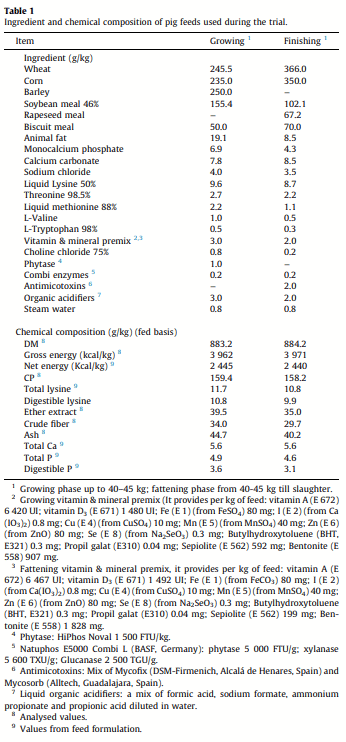
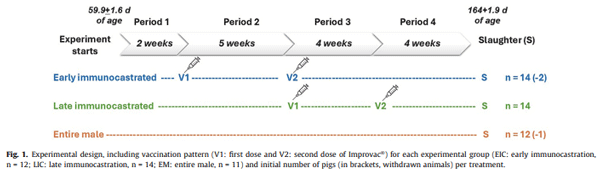
A total of 40 male pigs (LargeWhite × Landrace) × Pietrain were fed with the same growing and finishing diet described in Table 1. All pigs came from the same farm and, after the weaning period, were transported to the experimental farm in IRTA-Monells. The day after the arrival (59.9 ± 1.6 d of age, mean ± SD), pigs were weighed (18.2 ± 3.76 kg) and randomly distributed in 3 treatments, trying to obtain a similar average weight at start between treatments. Pigs were assigned to the experimental pens to begin the experiment. Experimental treatments were based on the immunocastration protocol applied with the vaccine Improvac® (Zoetis, Madrid, ES). Fourteen pigs were early immunocastrated (EIC) (start weight 18.1 ± 3.77 kg), receiving the first dose of the vaccine (V1) at 13 weeks before slaughter (12 d after the beginning of the experiment) and the second dose (V2) at 8 weeks before slaughter. In the group of late immunocastrated (LIC) pigs (n = 14, start weight 18. 4 ± 3.8 kg), animals received V1 at 8 weeks and V2 at 4 weeks before slaughter (Fig. 1). Finally, 12 entire males (EMs) were kept intact as a control group (start weight 18.0 ± 4.12 kg). Pigs were housed in two rooms equipped with mechanical ventilation and a cooling system, which made it possible to maintain an average temperature around 27 °C in August (at the beginning of the trial) and 18 °C in November (at the end of the trial). Each room contained 12 pens (2 of which were kept empty), with two pigs per pen from the same treatment group. Pens from all treatment groups were present in each room. Pigs were assigned to pens to ensure similar BW within each pen. Each pen measured 3.4 m2 (1.25 × 2.7 m) and had a fully slatted concrete floor, one drinking bowl, and a single-space feed hopper with a capacity of 50 kg to allow ad libitum consumption. Pens were separated by metal bars, allowing pigs to interact with their neighbours. Since the pen was considered the experimental unit, 7 and 6 experimental units were used on EIC and LIC, and EM groups, respectively. Vaccinations allowed to study productive parameters globally and in four periods: Period 1, from the beginning to V1_EIC, Period 2, from V1_EIC to V2_EIC and V1_LIC, Period 3, from V2_EIC and V1_LIC to V2_LIC, and Period 4, from V2_LIC to slaughter.
Bones, reproductive organs and carcass characteristics of entire, early and late immunocastrated male pigs - Image 1
At each vaccination, all pigs were weighed and backfat thickness and muscle depth were determined in the left loin with the Piglog (Frontmatec AS, Smørun, Denmark) ultrasound device at the level of the last rib and between 4 and 6 cm from the midline. Moreover, pigs weight and feed utilisation per pen allowed to determine growth rate, feed intake and efficacy. Due to health issues, three pigs were withdrawn from the experiment. The pigs that remained alone in the pen were not considered for the calculations of the productive parameters.

Slaughtering and reproductive organs evaluation

At the end of the experiment, at 164 ± 1.9 days of age, pigs were transported to IRTA’s abattoir (0.5 km far from the fattening facility). They were weighed and slaughtered in two consecutive days following standard commercial procedures and CO2 stunning. Carcass and meat quality at slaughter were evaluated and results published elsewhere (Bozˇicˇkovic´ et al., 2025). At slaughter, the sexual glands (testes, epididymus, bulbourethral glands) were recovered. Weight and length of both (right and left) testes with and without epididymus, and of bulbourethral glands were determined with a scale (precision 1 g) and a ruler, respectively. Testes were cut in half to evaluate their colour with the spectrophotometer CM600d (Konica Minolta Inc., Tokyo, Japan) using the CIELab scale (L* luminosity, a* redness and b* yellowness) with D65 Illuminant and 10° observer. Chroma, defined as the square root of the sum of squared a* and b* values, and Hue, defined as the arctangent of b* divided by a*, were also calculated. The average between left and right was used for further analysis of all the parameters.

Carcass quality determination in computed tomography images 

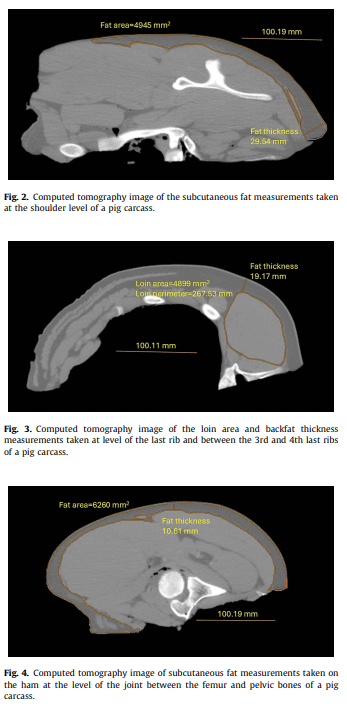
At 24 h postmortem, the left half carcass was scanned with the computed tomography (CT) equipment Philips Brilliance 16. The acquisition parameters were 120 kV, 200 mA, 3 mm-thickness, 512 × 512 matrix and 500 mm of field of view. Image analysis was performed using Visualpork software (Bardera et al., 2012). From the CT images, the shoulder, subcutaneous fat area and fat thickness at the dorsal edge were measured in the axial image where the first rib is visible (Fig. 2). At the last rib level and between the 3rd and 4th last ribs, the longissimus area and perimeter, as well as the fat thickness at the ventral extreme of the loin, were measured (Fig. 3). Finally, at the ham level, the subcutaneous fat area and the fat thickness at the central point were determined in the image where the junction between the femur and the pelvis is visible (Fig. 4).
From all carcass images, the volume associated with each Hounsfield value (HU) was determined with Matlab R2008b software using an IRTA−specific programme. Bone volume was considered between HU +141 and the maximum measured (around HU +1650) (Font-i-Furnols et al., 2015). Total bone volume was obtained and partitioned according to density in low (between HU +141 and HU +499), medium (between HU +500 and HU +1000), high (between HU +1000 and HU +1499) and very high (HU ≥ 1500) density bone. The proportion of each type of bone volume according to the total bone volume was also determined. Finally, the total bone density was determined by applying the equation reported by Picouet et al. (2010).
The length of the left radius bone was measured in triplicate from the CT images by a trained operator, and the average values were used for analysis. Moreover, in the central part of the radius bone, the outer and inner diameters in antero-posterior direction and the outer and inner diameters in latero-medial direction were measured. From these measurements, the total, the medullary and the cortical diaphyseal cross−sectional areas were calculated according to the formulas of Vitorovic´ et al. (2023) (see Supplementary Material).

Statistical analysis

Data analysis from all the parameters measured was performed with the mixed procedure of SAS v. 9.4 (SAS Institute Inc., Cary, NC, US). A model with treatment as a fixed effect and pen nested within treatment and animal nested within pen x treatment as random effects was used. Carcass weight was not included as a covariate because pigs were slaughtered at the same age. Therefore, differences in carcass weight are a consequence of the treatment. Additionally, production parameters were evaluated over time; thus, repeated measures were considered, and period and the interaction between treatment and period were also included in the model. Initial weight was also included as a covariate. For absolute bone quality volume variables, the volume of the total least square means after applying Tukey test were established at bone was included as a covariate. Significant differences between P < 0.05, but a tendency was also considered at P < 0.10. Models are presented in the Supplementary Material. A principal component analysis was performed on the correlation matrix of all the variables using the XLStat software (ver. 2021.4.1.) (Addinsoft, 2025).
Bones, reproductive organs and carcass characteristics of entire, early and late immunocastrated male pigs - Image 2
Bones, reproductive organs and carcass characteristics of entire, early and late immunocastrated male pigs - Image 3

Results

Productive parameters and carcass quality characteristics

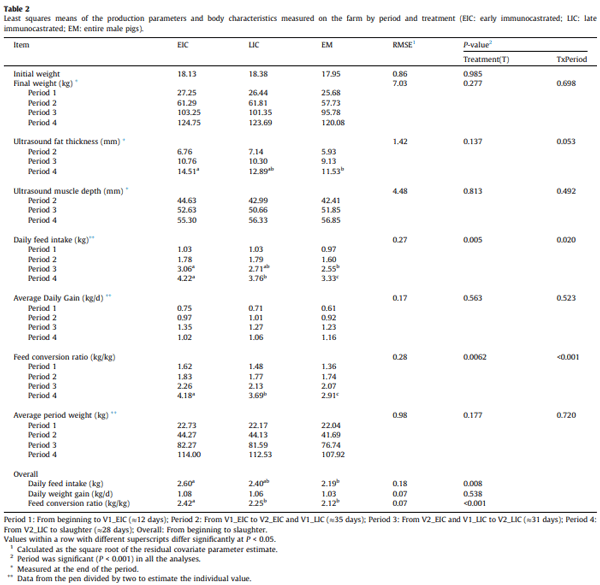
The effects of immunocastration on production parameters, as well as growing period within the respective treatment groups, are shown in Table 2. No significant differences in weight were found in any period studied, nor in the final weight. Treatment and the interaction between treatment and period had a statistically significant (P = 0.005 and 0.020, respectively) effect on the variation of average daily feed intake. Higher daily feed intake did not influence changes in average daily gain, which was at the same level between the treatment groups, in all periods. Feed conversion ratio did not differ between treatments in all periods except the last one, where it was higher in EIC, followed by LIC and the lowest was for EM pigs.
When the data on production traits were summarised for all four observation periods by the treatment (All periods), the previous results were confirmed. In terms of average daily gain, there were no differences between treatments (P > 0.1), while in terms of daily feed intake (ADFI) and consequently feed conversion ratio (FCR), statistically significant differences were found between treatments (P < 0.05). This is understandable considering that there were no differences in average daily gain between treatment groups.
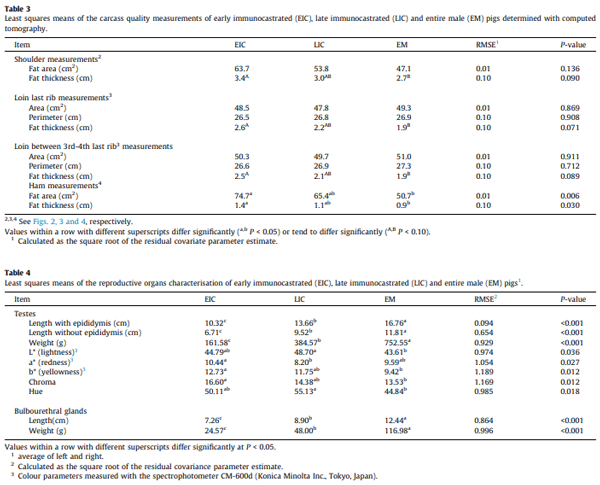
Fat thickness was significantly different (P < 0.05) between the treatment groups at the end of period 4 (Table 2). These differences in fat thickness observed in live animals when measuring with ultrasounds were also observed on CT images from carcasses (Table 3). Except for the highly significant difference (P = 0.006) in ham fat area, which was the highest in EIC, the lowest in EM, with LIC being in between, the differences between treatments were not seen for shoulder fat area and loin area. However, tendencies for an increase in fat thickness were monitored both in shoulder and in loin, following the same pattern.

Reproductive organs characterisation

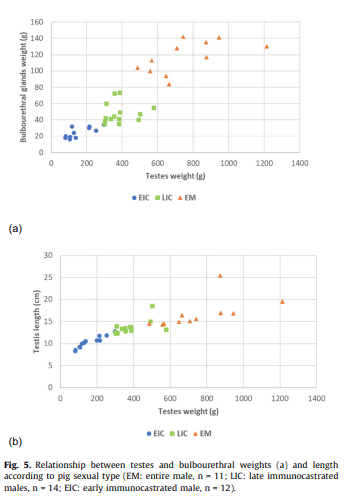
The morphological characteristics of reproductive organs were highly affected by immunocastration (Table 4). The length of testes with and without epididymus and the length of bulbourethral glands were significantly lower (P < 0.001) in EIC, compared to LIC and EM. The same highly significant (P < 0.001) influence of immunocastration was monitored also for the weight of testes and bulbourethral gland, which was nearly 5 times lower in EIC and 2–2.5 times in LIC compared to entire males. The relationship between testes and bulbourethral weight and between testes weight and length is presented in Fig. 5. Immunocastration affected the colour characteristics of the testes as well (Table 4). While L* and hue were the highest in LIC, lowest in EM, with EIC being in between, the highest values for a*, b* and Chroma were observed in EIC (P < 0.05). At a 0.01 significance level, b* tended to be higher in the testes of immunocastrated (IC) pigs (both EIC and LIC) than in those of EM pigs and Chroma tended to be higher in EIC than in LIC and EM.

Bone characteristics

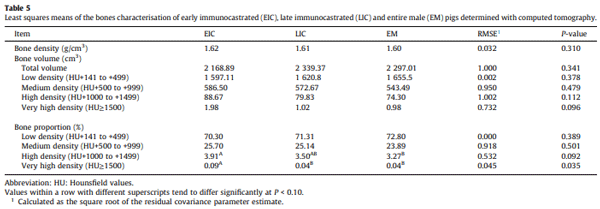
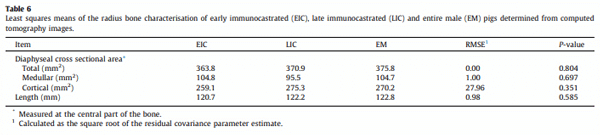
The effect of immunocastration on bone characteristics is shown in Tables 5 and 6. Although bone density and bone volume did not differ among the groups, the proportion of high-density bones tended to be the highest in EIC, the lowest in EM, with LIC being in between, while the proportion of very high-density bones was significantly higher in EIC compared to LIC and EM. Even though the volume of very high-density bones tended to be the highest in EIC (1.98 cm3 ), due to their low proportion in the skeleton, the total bone volume did not differ among the groups. More detailed analysis taken on the radius bone showed no influence of immunocastration on bone length (Table 6). Also, no differences in respective cross-sectional areas were monitored within the groups; hence, there was no difference in bone index between the treatments.
Bones, reproductive organs and carcass characteristics of entire, early and late immunocastrated male pigs - Image 4

Global analysis

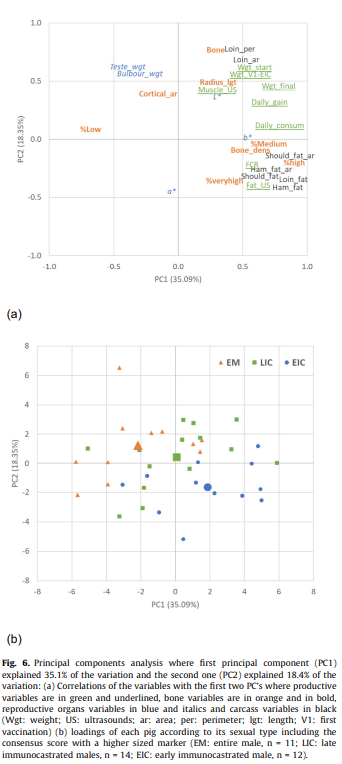
Fig. 6a illustrates the relationships among all the variables studied. The first and second axes explained 35.1 and 18.4% of the total variation accounted for. The first axis is associated with greater fatness and higher bone density on the positive side, and with lower bone density on the negative side. The reproductive organs’ weights are primarily associated with the second axis, showing higher values on its positive side. According to this, EIC pigs are positioned on the positive side of the first axis and the negative side of the second, indicating higher bone density and fatness, but lower reproductive organ weight (Fig. 6b). EM pigs are mainly located in the opposite direction, with lower bone density and fatness, and higher reproductive organ weight. LIC pigs are positioned in between.

Discussion

The vaccination schedule was designed to ensure the minimum interval between the V2 and slaughter in LIC, which was 4 weeks, in accordance with the vaccine manufacturer’s recommendations. Other works have applied 4–5 weeks from V2 to slaughter (Pauly et al., 2009; Škrlep et al., 2010b; Poklukar et al., 2021; Kowalski et al., 2021). For EIC, the interval from V2 to slaughter was doubled to 8 weeks to ensure vaccine efficiency. This period was also evaluated by Kowalski et al. (2021) in the EIC pigs. Between V1 and V2, the manufacturer recommends a minimum of 4 weeks, which was applied. The results of this study show that there is no difference in the growth between IC (both EIC and LIC) and EM pigs. This statement was confirmed by the results relating to the final weights at the end of the observed periods and the average BWs by period. Similar results regarding the differences in final weights between immunocastrated and entire males were obtained by Škrlep et al. (2010b) with Duroc crosses slaughtered at 24 weeks of age and Poklukar et al. (2021), with Landrace × Large White crosses slaughtered older, at 26 weeks of age. Kress et al. (2019a), in a comprehensive review of numerous studies on the effects of immunocastration on the production performance of fattening animals compared castrates and boars, and Batorek et al. (2012), based on a meta-analysis of 68 experiments from 41 scientific papers, found that castrates have a significantly higher digestive capacity than IC animals, but that this might not reflected in the final weight because their growth structure has changed and they stored significantly more adipose tissue, which requires more energy and nutrients from feed than muscle tissue. In contrast, Poulsen Nautrup et al. (2018), based on a meta-analysis of 78 studies, found that IC achieved a higher average daily gain and higher final body mass compared to EM. All three groups of animals achieved an almost identical intensity of daily gain, which is in agreement with previous results, although the genetics used and the immunocastration patterns were not exactly the same (Pauly et al., 2009; Škrlep et al., 2010b; Aluwé et al., 2015; Kress et al., 2019b; Poklukar et al., 2021).
Bones, reproductive organs and carcass characteristics of entire, early and late immunocastrated male pigs - Image 5
Batorek et al. (2012) and Aluwé et al. (2015) have shown that both surgical and IC pigs consume a greater amount of feed in the final fattening phase than EM, in agreement with the present work. Kress et al. (2019a) explain this by the fact that the absence or reduced presence of androgenic hormones leads to changes in the behaviour of the animals compared to EM, so that they spend more time at the feeding site and less time on aggressive behaviour and mounting. When analysing the ADFI over the entire period, this difference was statistically significant only between EIC and EM, which can be explained by the fact that the EIC animals were deprived of androgens over a longer period (8 weeks) compared to the LIC animals (4 weeks). Significant differences in ADFI between IC and EM were found by Pauly et al. (2009) in pigs slaughtered at around 107 kg BW, approximately 5 weeks after V2. However, no significant differences were reported by Škrlep et al. (2010b) and Poklukar et al. (2021) in pigs slaughtered at around 120 kg BW, and also at 5 weeks after V2. Aluwé et al. (2015) also did not report significant differences in ADFI between IC and EM, either in the farm trial (with slaughter at around 110 kg BW, V1 at 15 weeks of age and V2 at 21 weeks of age) or in the field trial (with slaughter at around 113 kg BW, V1 between 10 and 17 weeks of age and V2 between 20 and 25 weeks of age). Differences in diets and genetics can explain these differences.
A much more accurate indicator of efficiency is the FCR. Although FCR is directly related to feed intake and daily gain, Millet et al. (2011) point out that it is mainly determined by two factors: growth rate and growth structure. They also note that lean growth has a lower energy cost compared to fat deposition. The results of this study showed that EIC have higher FCR than LIC and EM, although in the fourth period, FCR of LIC was higher than those of EM. The lower FCR in EM is most likely a result of similar reasons as mentioned for feed intake and final BW. The EIC had significantly higher ADFI compared to the other two groups of animals but did not achieve higher average daily gain or final weight. This means that they stored fat to a greater extent compared to the lean meat and the observed difference in the amount of feed consumed was used for fat deposition, which was also confirmed by the results of the ultrasound measurement of fat thickness and muscle depth in this study. Similar results were presented by Pauly et al. (2009), Škrlep et al. (2010b) and Zoels et al. (2020), while Aluwé et al. (2015), who found no difference in FCR between IC and EM, arrived at the opposite conclusion.
Bones, reproductive organs and carcass characteristics of entire, early and late immunocastrated male pigs - Image 6
Carcass characteristics, e.g. fat thickness and muscle depth are important quality parameters, used together with the price, to determine the carcass value (Cˇandek-Potokar et al., 2024). In this study, ultrasound measurements of backfat thickness and muscle depth were performed at the end of each trial period. The difference found in fat thickness at the end of period 4 between EIC and EM is consistent with the explanations previously given in the discussion of FCR and average daily gain results, while there was no difference between LIC and EM. At the end of periods 2 and 3, there were no differences in fat thickness between treatments, confirming the statement that significant changes in the growth physiology of immunocastrated animals do not occur until approximately two weeks after the second vaccination. Until the measurement of fat thickness at the end of period 4, the EIC produced for 6 weeks (from 2 weeks after V2 to the end of Period 4), while the LIC in this status produced only for 2 weeks (from 2 weeks after V2 to the end of Period 4), resulting in differences in fat thickness at the end of this period. These results are consistent with the results of Pauly et al. (2009), Škrlep et al. (2012) and Poklukar et al. (2021), all of them slaughtering pigs 5 weeks after V2, while no differences in fat thickness between IC and EM were found in the studies of Škrlep et al. (2010a), also slaughtering pigs 5 weeks after V2, and Aluwé et al. (2015), after different numbers of weeks from V2 to slaughter. Gispert et al. (2010) compared carcasses of EM and IC with a pattern similar to the present EIC, and reported that IC had higher fat thickness in the loin and ham regions than EM. However, in this study, EM pigs were 12 kg heavier than IC, and in the present work, the difference is only 3–4 kg, which can explain the lower differences reported between LIC and EM. Similar differences in fat thickness in the ham and loin region of carcasses were reported by Zomeño et al. (2022) when IC and EM pigs were slaughtered at the same final weight. The higher fat thickness in the loin region was also reported in the metaanalyses carried out by Batorek et al. (2012) and Poulsen Nautrup et al. (2018). In agreement with previous results (Škrlep et al., 2010a; Škrlep et al., 2012; Aluwé et al., 2015), the measured muscle depth did not differ significantly between the treatment groups depending on the time period, meaning that the animals maintained the intensity of muscle tissue growth as EM despite the immunocastration pattern.
Bones, reproductive organs and carcass characteristics of entire, early and late immunocastrated male pigs - Image 7
Bones, reproductive organs and carcass characteristics of entire, early and late immunocastrated male pigs - Image 8
Bones, reproductive organs and carcass characteristics of entire, early and late immunocastrated male pigs - Image 9
Numerous studies show that IC and EM achieve better production results compared to surgically castrated animals (Millet et al., 2011; Batorek et al., 2012; Poulsen Nautrup et al., 2018; Kress castration, leading to possible conclusion that very good producet al., 2019a), while on the other hand, other works favour LIC animals over EIC, with no significant differences in terms of the effect of immunocastration pattern on the sensory characteristics of the meat, behaviour and welfare of the animals (Zoels et al., 2020; Werner et al., 2021). Differences in genetics, management practices, nutrition and immunocastration protocols can explain differences between studies. The results of the sensory analysis of IC animal meat (Bozickovic et al., 2025) indicate that early immunocastration is slightly more effective in eliminating boar taint, but that there are no significant differences compared to late immunotion results and good meat quality can be achieved with the late immunocastration procedure, while avoiding all the negative consequences of surgical castration or entire males fattening.
After the second dose of the immunocastration vaccine, reproductive organs begin to decrease in size (Batorek et al., 2012; Font-i-Furnols et al., 2016). Since EIC pigs received V2 earlier than LIC pigs, it is not surprising that they presented smaller reproductive organs, as was also reported by Zoels et al. (2020) and Kowalski et al. (2021). In the present study, EIC received V2 eight weeks before slaughtering; thus, probably, there was no time to resume steroidogenesis, as happened in the study of Werner et al. (2021), where EIC received V2 between 12 to 23 weeks before slaughter.
Testes weight would allow a good separation between EM and IC, but it would not be completely effective, in agreement with Gispert et al. (2010). However, the combination between testes and bulbourethral weight would allow a clear separation of the EM (Fig. 5a) and the combination between testes weight and length would be also good even though there would be some misclassified animals (Fig. 5b). Yellowness of the testes increases with immunocastration, probably due to the change in the histological properties of the testes, such as decrease of size and polygonal shape of Leydig cells or the decrease of interstitial volume (Kubale et al., 2013). However, redness and lightness seem to increase at the beginning of the immunocastration and decrease as time goes on. This behaviour is similar to that of the evolution of the teste’s density after immunocastration (Font-i-Furnols et al., 2016). This might be explained by an initial change due to the effect of the vaccine application, which, as time passes, gradually diminishes.
The lack of differences in radius length and cross-sectional area, as indicators of macroscopic bone structure, between EM, EIC and LIC, is consistent with the findings of Chaudhary and Price (1987), who showed that there were no significant differences in bone (tibio-fibula, femur, radio-ulna and humerus) weight and length between surgically castrated Yorkshire × Landrace male pigs with the addition of either testosterone or estradiol, castrated males without hormone supplementation and entire males, slaughtered around 7, 17 and 26 weeks of age. A study on rats (de Mello et al., 2012) showed that adult animals had longer femurs when not castrated than when surgically castrated, with no differences observed during prepuberty or puberty. This might suggest that the short duration of immunocastration or the age of the pigs when immunocastrated was not enough to show changes in bone length in the present study. In a study by Bernau et al. (2020), a significantly lower bone mineral density was observed in entire males compared to surgically and immunocastrated pigs at around 90 kg weight when evaluated with a dual X-ray absorptiometry device. This difference was not observed in the bones of the head and lumbar regions, but in front and hind extremities, showing differences between bones. Although the immunocastration pattern of the Bernau et al. (2020) experiment is not fully comparable to the pattern of the experiment conducted in this study, it is closer to EIC pigs. However, the observed significantly higher proportion of very high-density bones (P = 0.035) in EIC compared to entire males is in line with the results of Bernau et al. (2020). The tendency for an increase of high-density bone proportion (P = 0.092) in EIC animals observed in this study could be interpreted as additional support. It should be taken into account that dual Xray absorptiometry devices and CT do not measure density and bone−related parameters in the same way and although they are correlated (Font-i-Furnols et al., 2025), there are differences between them. In this sense, the dual X-ray absorptiometry device uses internal calculations developed for the human body to obtain bone mineral content and bone mineral density (Kasper et al., 2021). On the other hand, CT produces 3D images that allow the estimation of the volume associated with high-density tissues, i.e. bones. These can be segmented into different density levels, although the Hounsfield unit thresholds for bone are not precisely defined and vary between studies (Aasmundstad et al., 2013; Fabà et al., 2019). Bone density can be obtained by CT using a previously calculated equation (Picouet et al., 2010; Donkó et al., 2018). Moreover, all bones have been considered with CT analysis in this research, while Bernau et al. (2020) did not consider some bones of the body (e.g. ribs and pelvic bone). Overall, bone mineral density and bone morphology were not influenced by the timing of immunocastration in this study. This could be explained by the fact that in young male pigs during puberty, growth hormone, which is not affected by immunocastration, is the most responsible for bone development (Giustina et al., 2008), compensating for the lack of testosterone on one hand, with probably not sufficient duration of testosterone deprivation in IC animals on the other hand. Consequently, immunocastration, whether early or late, did not impair skeletal development of pigs, thereby mitigating the risk of health issues such as lameness and osteoporosis associated with vaccination.

Conclusions 

Under the conditions of the present work, it can be concluded that immunocastration has minimal impact on the morphological characteristics of bones and the bone density, and it does not increase the likelihood of pigs being removed from production/fattening due to skeletal issues. Adjusting the timing of the administration of the second immunocastration dose before slaughter could be a good strategy to modify the productive characteristics of the pig, such as daily consumption, feed conversion ratio as well as the final characteristics of the carcass in terms of fat content. In this sense, the earlier the immunocastration, the higher the feed consumption and the feed conversion ratio, and the fatter the carcass. The size and weight of the reproductive organs decrease with increasing the time between the second dose of vaccine and slaughter, and the colour of the testicles also changes. These parameters can be used to check the effectiveness of the vaccination. A more in-depth investigation of bone structure at the microscopic level could be useful to identify if there are changes that may not affect bone density or observable phenotypic characteristics. Moreover, investigating the effects of alternative immunocastration protocols and/or the application of immunocastration in females could be valuable to complement the findings of the present study.
    
This article was originally published in Animal 20 (2026) 101726. https://doi.org/10.1016/j.animal.2025.101726. This is an Open Access article under the CC BY license (http://creativecommons.org/licenses/by/4.0/).

Aasmundstad, T., Kongsro, J., Wetten, M., Dolvik, N.I., Vangen, O., 2013. Osteochondrosis in pigs diagnosed with computed tomography: heritabilities and genetic correlations to weight gain in specific age intervals. Animal 7, 1576–1582. https://doi.org/10.1017/s1751731113001158.

Addinsoft, 2025. XLSTAT statistical and data analysis solution. Addinsoft, New York, NY, USA.

Aluwé, M., Tuyttens, F.A., Millet, S., 2015. Field experience with surgical castration with anaesthesia, analgesia, immunocastration and production of entire male pigs: performance, carcass traits and boar taint prevalence. Animal 9, 500–508. https://doi.org/10.1017/s1751731114002894.

Bardera, A., Martinez, R., Boada, I., Font-i-Furnols, M., Gispert, M., 2012. VisualPork. Towards the simulation of a virtual butcher. Book of abstracts of the FAIM I Conference of COST FA1102, 25th-26th September 2012, Dublin, Ireland, p. 97.

Batorek, N., Cˇandek-Potokar, M., Bonneau, M., Van Milgen, J., 2012. Meta-analysis of the effect of immunocastration on production performance, reproductive organs and boar taint compounds in pigs. Animal 6, 1330–1338. https://doi.org/10.1017/s1751731112000146.

Batorek-Lukacˇ, N., Kress, K., Candek-Potokar, M., Fazarinc, G., Škrlep, M., Poklukar, K., Wesoly, R., Stefanski, V., Vrecl, M., 2022. Immunocastration in adult boars as a model for late-onset hypogonadism. Andrology 10, 1217–1232. https://doi.org/10.1111/andr.13219.

Bernau, M., Schrott, J., Schwanitz, S., Kreuzer, L.S., Scholz, A.M., 2020. ‘‘Sex” and body region effects on bone mineralization in male pigs. Archives Animal Breeding 63, 103–111. https://doi.org/10.5194/aab-63-103-2020.

Bozˇicˇkovic´, I., Savic´, R., Panella-Riera, N., Radojkovic´, D., Brun, A., Font, I.F.M., 2025. Pork quality and histological properties of longissimus muscle from boars and early and late immunocastrated pigs. Meat Science 219, 109688. https://doi.org/10.1016/j.meatsci.2024.109688.

Candek-Potokar, ˇ M., Lebret, B., Gispert, M., Font, I.F.M., 2024. Challenges and future perspectives for the European grading of pig carcasses - a quality view. Meat Science 208, 109390. https://doi.org/10.1016/j.meatsci.2023.109390.

Chaudhary, Z.I., Price, M.A., 1987. Effects of castration and exogenous estradiol or testosterone on limb bone growth and some performance traits in young male pigs. Canadian Journal of Animal Science 67, 681–688. https://doi.org/10.4141/cjas87-071.

Craig, L.E., Dittmer, K.E., Thompson, K.G., 2016. Chapter 2 - bones and joints. Saunders Ltd., Philadephia, USA, pp. 16–163.e161.

de Mello, W.G., de Morais, S.R., Dornelles, R.C., Kagohara Elias, L.L., AntunesRodrigues, J., Bedran de Castro, J.C., 2012. Effects of neonatal castration and androgenization on sexual dimorphism in bone, leptin and corticosterone secretion. Bone 50, 893–900. https://doi.org/10.1016/j.bone.2011.12.009.

Donkó, T., Tischler, A., Csóka, Á., Kovács, G., Emri, M., Petneházy, Ö., Szabó, A., Halas, V., Tossenberger, J., Garamvölgyi, R., Bajzik, G., 2018. Estimation of bone mineral density and breaking strength of laying hens based on scans of computed tomography for body composition analysis. British Poultry Science 59, 365–370. https://doi.org/10.1080/00071668.2018.1471662.

Fabà, L., Gasa, J., Tokach, M.D., Font-i-Furnols, M., Vilarrasa, E., Solà-Oriol, D., 2019. Effects of additional organic micro-minerals and methionine on carcass composition, gait score, bone characteristics, and osteochondrosis in replacement gilts of different growth rate. Animal Feed Science and Technology 256, 114262. https://doi.org/10.1016/j.anifeedsci.2019.114262.

Font-i-Furnols, M., 2012. Consumer studies on sensory acceptability of boar taint: a review. Meat Science 92, 319–329. https://doi.org/10.1016/j.meatsci.2012.05.009.

Font-i-Furnols, M., Carabús, A., Pomar, C., Gispert, M., 2015. Estimation of carcass composition and cut composition from computed tomography images of live growing pigs of different genotypes. Animal 9, 166–178. https://doi.org/10.1017/S1751731114002237.

Font-i-Furnols, M., Carabús, A., Muñoz, I., Cˇandek-Potokar, M., Gispert, M., 2016. Evolution of testes characteristics in entire and immunocastrated male pigs from 30 to 120 kg live weight as assessed by computed tomography.

Font-i-Furnols,M., Schlegel, P., Bonnefont, C.M., Donko, T., Brun, A., Brossard, L., Oster, M., Kasper, C. 2025. Relationship between body composition of live pigs determined by imaging X-ray techniques and chemical analysis. 76th EAAP Annual Meeting 2025. Innsbruck, Austria, 25th-29th August 2025, p. 393.

Font-i-Furnols, M., García-Gudiño, J., Izquierdo, M., Brun, A., Gispert, M., BlancoPenedo, I., Hernández-García, F.I., 2021. Non-destructive evaluation of carcass and ham traits and meat quality assessment applied to early and late immunocastrated Iberian pigs. Animal 15, 100189. https://doi.org/10.1016/j.animal.2021.100189.

Gispert, M., Oliver, M.A., Velarde, A., Suarez, P., Pérez, J., Font i Furnols, M., 2010. Carcass and meat quality characteristics of immunocastrated male, surgically castrated male, entire male and female pigs. Meat Science 85, 664–670. https://doi.org/10.1016/j.meatsci.2010.03.021.

Giustina, A., Mazziotti, G., Canalis, E., 2008. Growth hormone. Insulin-like growth factors and the skeleton. Endocrine Reviews 29, 535–559.

Golds, G., Houdek, D., Arnason, T., 2017. Male hypogonadism and osteoporosis: the effects, clinical consequences, and treatment of testosterone deficiency in bone health. International Journal of Endocrinology 2017, 4602129. https://doi.org/10.1155/2017/4602129.

Kasper, C., Schlegel, P., Ruiz-Ascacibar, I., Stoll, P., Bee, G., 2021. Accuracy of predicting chemical body composition of growing pigs using dual-energy X-ray absorptiometry. Animal 15, 100307. https://doi.org/10.1016/j.animal.2021.100307.

Kowalski, E., Vossen, E., Millet, S., Ampe, B., De Smet, S., Aluwé, M., 2021. Effect of terminal sire line and timing second vaccination on effectiveness of immunocastration, performance, and carcass and meat quality. Meat Science 175, 108451. https://doi.org/10.1016/j.meatsci.2021.108451.

Kress, K., Millet, S., Labussière, É., Weiler, U., Stefanski, V., 2019a. Sustainability of pork production with immunocastration in Europe. Sustainability 11, 3335. https://doi.org/10.3390/su11123335.

Kress, K., Weiler, U., Schmucker, S., Cˇandek-Potokar, M., Vrecl, M., Fazarinc, G., Škrlep, M., Batorek-Lukacˇ, N., Stefanski, V., 2019b. Influence of housing conditions on reliability of immunocastration and consequences for growth performance of male pigs. Animals 10, 27. https://doi.org/10.3390/ani10010027.

Kubale, V., Batorek, N., Skrlep, M., Prunier, A., Bonneau, M., Fazarinc, G., Candek-Potokar, M., 2013. Steroid hormones, boar taint compounds, and reproductive organs in pigs according to the delay between immunocastration and slaughter. Theriogenology 79, 69–80. https://doi.org/10.1016/j.theriogenology.2012.09.010.

Magrini, S.H., Mossor, A.M., German, R.Z., Young, J.W., 2023. Developmental factors influencing bone strength in precocial mammals: an infant pig model. Journal of Anatomy 43, 174–181. https://doi.org/10.1111/joa.13848.

Millet, S., Gielkens, K., De Brabander, D., Janssens, G.P., 2011. Considerations on the performance of immunocastrated male pigs. Animal 5, 1119–1123. https://doi.org/10.1017/s1751731111000140.

Nakano, M., Ikegame, M., Igarashi-Migitak, J., Yusuke, M., Suzuki, N., Hattori, A., 2019. Suppressive effect of melatonin on osteoclast function via osteocyte calcitonin. Journal of Endocrinology 242, 13–23.

Pauly, C., Spring, P., O’Doherty, J.V., Ampuero Kragten, S., Bee, G., 2009. Growth performance, carcass characteristics and meat quality of group-penned surgically castrated, immunocastrated (Improvac®) and entire male pigs and individually penned entire male pigs. Animal 3, 1057–1066. https://doi.org/10.1017/s1751731109004418.

Picouet, P.A., Teran, F., Gispert, M., Font i Furnols, M., 2010. Lean content prediction in pig carcasses, loin and ham by computed tomography (CT) using a density model. Meat Science 86, 616–622. https://doi.org/10.1016/j.meatsci.2010.04.039.

Pluym, L., Van Nuffel, A., Dewulf, J., Cools, A., Vangroenweghe, F., Van Hoorebeke, S., Maes, D., 2011. Prevalence and risk factors of claw lesions and lameness in pregnant sows in two types of group housing. Veterinarni Medicina 56, 101–109.

Pluym, L.M., Van Nuffel, A., Van Weyenberg, S., Maes, D., 2013. Prevalence of lameness and claw lesions during different stages in the reproductive cycle of sows and the impact on reproduction results. Animal 7, 1174–1181. https://doi.org/10.1017/S1751731113000232.

Poklukar, K., Cˇandek-Potokar, M., Vrecl, M., Batorek-Lukacˇ, N., Fazarinc, G., Kress, K., Weiler, U., Stefanski, V., Škrlep, M., 2021. The effect of immunocastration on adipose tissue deposition and composition in pigs. Animal 15. https://doi.org/10.1016/j.animal.2020.100118.

Poulsen Nautrup, B., Van Vlaenderen, I., Aldaz, A., Mah, C.K., 2018. The effect of immunization against gonadotropin-releasing factor on growth performance, carcass characteristics and boar taint relevant to pig producers and the pork packing industry: a meta-analysis. Research in Veterinary Science 119, 182–195. https://doi.org/10.1016/j.rvsc.2018.06.002.

Rath, N., Huff, G., Huff, W., Balog, J., 2000. Factors regulating bone maturity and strength in poultry. Poultry Science 79, 1024–1032.

Shigehara, K., Izumi, K., Kadono, Y., Mizokami, A., 2021. Testosterone and bone health in men: a narrative review. Journal of Clinical Medicine 10, 530. https://doi.org/10.3390/jcm10030530.

Škrlep, M., Šegula, B., Prevolnik, M., Kirbiš, A., Fazarinc, G., Cˇandek-Potokar, M., 2010a. Effect of immunocastration (Improvac®) in fattening pigs II: carcass traits and meat quality. Slovenian Veterinary Research 47, 65–72.

Škrlep, M., Šegula, B., Zajec, M., Kastelic, M., Košorok, S., Fazarinc, G., Cˇandek-Potokar, M., 2010b. Effect of immunocastration (Improvac®) in fattening pigs I: growth performance, reproductive organs and malodorous compounds. Slovenian Veterinary Research 47, 57–64.

Škrlep, M., Batorek, N., Bonneau, M., Prevolnik, M., Kubale, V., Cˇandek-Potokar, M., 2012. Effect of immunocastration in group-housed commercial fattening pigs on reproductive organs, malodorous compounds, carcass and meat quality. Czech Journal of Animal Science 57, 290–299.

Vitorovic´, D., Bozˇicˇkovic´, I., Lukic´, M., Relic´, R., Škrbic´, Z., Petricˇevic´, V., Lazarevic´ Macanovic´, M., Krstic´, N., 2023. Tibia growth and development in broiler chicks reared under continuous light and melatonin dietary supplementation during the first two weeks of Life. Acta Veterinaria 73, 262–270. https://doi.org/10.2478/acve-2023-0020.

Werner, D., Baldinger, L., Bussemas, R., Büttner, S., Weißmann, F., Ciulu, M., Mörlein, J., Mörlein, D., 2021. Early immunocastration of pigs: from farming to meat quality. Animals 11, 298. https://doi.org/10.3390/ani11020298.

Zoels, S., Reiter, S., Ritzmann, M., Weiß, C., Numberger, J., Schütz, A., Lindner, P., Stefanski, V., Weiler, U., 2020. Influences of immunocastration on endocrine parameters, growth performance and carcass quality, as well as on boar taint and penile injuries. Animals 10, 346. https://doi.org/10.3390/ani10020346.

Zomeño, C., Gispert, M., Brun, A., Carabús, A., Soler, J., Font-i-Furnols, M., 2022. Productive performance and in vivo body composition across the growing and finishing period and carcass traits in pigs of four sex types. Meat Science 192, 108909. https://doi.org/10.1016/j.meatsci.2022.108909.


Related topics:
Authors:
Maria M. Font-i-Furnols
IRTA
IRTA
Joaquim Soler Soler
IRTA
IRTA
Rosil Lizardo
IRTA
IRTA
Recommend
Comment
Share
Profile picture
Would you like to discuss another topic? Create a new post to engage with experts in the community.
Featured users in Pig Industry
Sriraj Kantamneni
Sriraj Kantamneni
Cargill
Cargill
Global Business Technology Director
United States
Karo Mikaelian
Karo Mikaelian
Trouw Nutrition
United States
Erika Gisela Lin-Hendel
dsm-Firmenich
United States