Beef-on-Dairy: Dual Genetics and the New Competitive Frontier
Published: February 19, 2026
Source : Valeria Hamann / Dairy market analyst
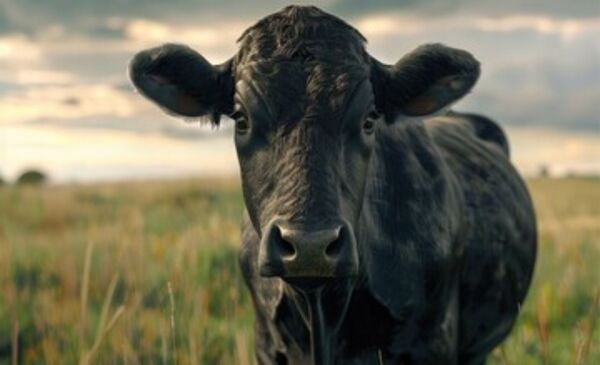
The calf, historically peripheral to the dairy model, is beginning to occupy a different position in the equation. In key regions, dairy producers are increasingly breeding their dairy cows with beef sires, generating incremental revenue from higher-value crossbred calves.
What began as a hedge against low milk price cycles is evolving into a structural model: the dairy business is no longer solely dairy. It is becoming a dual-protein enterprise, with diversified revenue streams and altered relative cost structures.
This shift, neither cyclical nor marginal, is reconfiguring herd genetics, global trade flows, and investment strategies across the value chain.
If the trend deepens, global milk supply could tighten, prices could establish a firmer floor, and consolidation could accelerate in favor of operators capable of capturing value from both protein streams. The competitive frontier is shifting.
Herd Genetics Shift: From Dairy Expansion to Protein Diversification
For years, the objective was to maximize cows in milk and secure sufficient replacement heifers. The beef-on-dairy model redefines that priority.
By incorporating beef genetics such as Angus, Charolais, or Limousin, producers reduce the number of pure dairy heifers and convert part of the herd into an additional source of beef protein.
In the United States, dairy heifer inventories have declined by 10 to 15 percent over the past two years. At the same time, crossbred calves now account for 20 to 25 percent of total revenue in many technologically advanced operations.
This is not a simple cost adjustment. It is a structural shift that constrains the capacity for rapid dairy herd expansion in key regions. Genetic decisions are beginning to shape the future elasticity of milk supply.
When global milk demand grows at a moderate pace, approximately 1.5 percent annually according to the Food and Agriculture Organization of the United Nations (FAO), but potential supply contracts due to biological reallocation, price equilibrium tends to move to a higher plateau with reduced downside volatility.
The strategic implication is direct: companies controlling dual-purpose genetics, whether integrated processors or large-scale producers, will be positioned to capture incremental margins in a protein ecosystem where milk and beef compete for the same biological resource.
In emerging markets such as Asia, where per capita consumption of animal protein is expanding more dynamically, this repositioning may translate into a decisive competitive advantage.
Regional and Geopolitical Tensions: Western Surpluses vs. Constraints in Traditional Exporters
The beef-on-dairy system is amplifying geographic imbalances that remain underappreciated.
In the United States and Brazil, rapid adoption of the dual model is creating conditions for increased availability of both proteins within production systems facing fewer structural constraints.
In the European Union and New Zealand, environmental and water restrictions limit expansion. Projections for 2026–2027 anticipate dairy production declines of between 1 and 2 percent.
At the same time, livestock cycles and geopolitical tensions are reshaping trade flows. The United States has deepened its reliance on imports, which surpassed 5.5 billion pounds in 2026, while exports have faced episodic sanitary and regulatory constraints, including issues linked to screwworm outbreaks in the region.
This reordering shifts pressure onto the dairy side. Beef-cross calves from U.S. and Brazilian herds are beginning to compete in markets that historically absorbed exports from Oceania.
The effect is systemic. Pure exporters such as New Zealand and Australia may see relative advantages eroded if they fail to integrate the dual-protein logic rapidly.
By contrast, regions with room for expansion, including Argentina, Brazil, and parts of the United States, are emerging as potential integrated protein hubs.
The underlying question is where volumes will be redirected when traditional destinations no longer absorb incremental production growth.
Consolidation and Margin Capture: The Battle for the Protein Portfolio
The beef-on-dairy model accelerates consolidation because it requires operational scale and access to advanced genetics.
Smaller operations face rising barriers: higher insemination costs, differentiated herd management, and limited access to premium calf markets.
Larger operations, by contrast, capture economies of scale across both protein streams and become more attractive to capital seeking exposure to the global protein cycle, a market projected to exceed USD 50 billion by 2030.
The impact is not solely financial; it is competitive. The dairy industry no longer competes only against plant-based alternatives. It competes for share within the total protein space.
When dual genetics unlock incremental margins, and considering that 62 percent of improvements in protein production over recent decades are attributed to genetic advancements, companies integrating milk and beef within their portfolios consolidate a structural advantage.
The less visible risk is localized oversupply. If adoption accelerates without coordination, regions with high beef-on-dairy penetration could generate downward pressure on calf prices, triggering an even more intense consolidation dynamic.
What Comes Next
The most consequential reconfigurations are not yet visible on balance sheets. They are taking shape in insemination decisions, capital allocation, and the regulatory and commercial frameworks organizing supply chains.
The beef-on-dairy system is shifting the dairy sector from commodity supplier to dual-protein operator, with implications for trade flows, cost structures, and consolidation dynamics that are not yet fully reflected in the numbers.
The advantage will not lie merely in recognizing that dual genetics is changing the rules. It will lie in adjusting production and commercial decisions while the reordering remains in its early stages.
Related topics:
Authors:
Recommend
Comment
Share

Would you like to discuss another topic? Create a new post to engage with experts in the community.







Featured users in Dairy Cattle