Content sponsored by:
HATO agricultural lighting
Lighting in milk production
Published: March 17, 2026
Cristabel Huerta (Hato Lighting) talks about the effects of lighting in milk production
Related topics:
Authors:

Recommend
Comment
Share

AHV International
26 de marzo de 2026
Beyond production, the impact on animal welfare, stress reduction, and fertility is equally important, reinforcing that lighting should be considered a strategic management tool rather than a facility cost.
In a context where margins are tight and efficiency is critical, integrating precision lighting solutions represents a high-ROI opportunity for dairy producers looking to maximize output without increasing herd size.
Great to see more awareness being created around this topic—definitely an area with strong potential for the future of dairy farming.
In a context where margins are tight and efficiency is critical, integrating precision lighting solutions represents a high-ROI opportunity for dairy producers looking to maximize output without increasing herd size.
Great to see more awareness being created around this topic—definitely an area with strong potential for the future of dairy farming.
Recommend
Reply

3 de abril de 2026
Thank you, Carlos Alejandro, for your valuable input.
You raise an important point: lighting is often an underappreciated factor in dairy production, yet it has a direct impact on animal behavior, feed intake, and milk yield. Aligning lighting programs with the physiological needs of the animals can significantly enhance both productivity and welfare.
In today’s environment, where efficiency and sustainability are critical, precision lighting offers a compelling opportunity to improve performance without expanding herd size. When properly implemented, it optimizes biological responses, translating into measurable gains in productivity and consistency.
At HATO, we have seen how consistent light distribution, proper intensity, and photoperiod management support hormonal balance and improve overall herd performance. Well-designed lighting systems are increasingly becoming a key component of modern dairy operations.
It is encouraging to see more industry professionals recognizing the broader impact of lighting. This is undoubtedly an area with significant potential to shape the future of dairy farming.
You raise an important point: lighting is often an underappreciated factor in dairy production, yet it has a direct impact on animal behavior, feed intake, and milk yield. Aligning lighting programs with the physiological needs of the animals can significantly enhance both productivity and welfare.
In today’s environment, where efficiency and sustainability are critical, precision lighting offers a compelling opportunity to improve performance without expanding herd size. When properly implemented, it optimizes biological responses, translating into measurable gains in productivity and consistency.
At HATO, we have seen how consistent light distribution, proper intensity, and photoperiod management support hormonal balance and improve overall herd performance. Well-designed lighting systems are increasingly becoming a key component of modern dairy operations.
It is encouraging to see more industry professionals recognizing the broader impact of lighting. This is undoubtedly an area with significant potential to shape the future of dairy farming.
Recommend
Reply
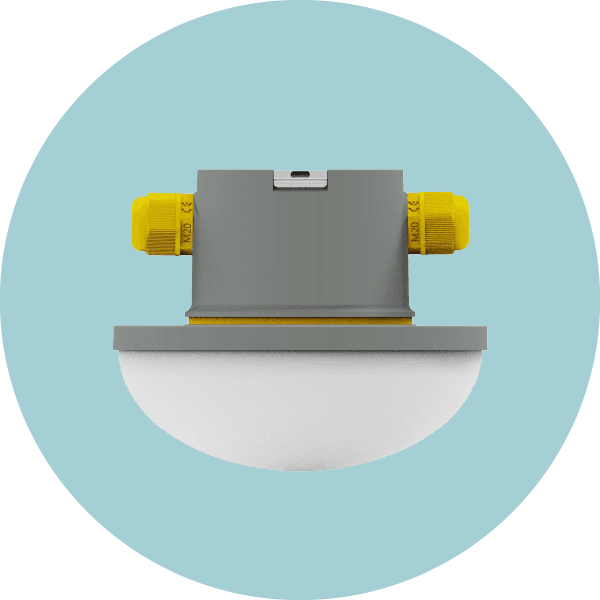
CORAX
CORAX from HATO is designed to improve the performance and well-being of your flock.
Suggested link
1

Would you like to discuss another topic? Create a new post to engage with experts in the community.
More Dairy Cattle content

Featured users