Check out what is new in Animal Feed
Find the best technical articles, forums, and videos on Animal Feed at Engormix. Enter now and interact with the world's largest agricultural social network.

Accurate climate forecasting has become a vital tool for the sustainability and competitiveness of the agricultural sector. In a global context marked by climate variability, traditional weather forecasting models are insufficient for operational...
Comments : 0
Recommendations: 0



Victor Naranjo, Technical Director at Evonik Animal Nutrition, explains the main challenges nutritionists face when designing more precise feeding programs. He also highlights the benefits of nutrient-modelling tools like AMINOSpec® and shows how diet customization helps improve efficiency and resource utilization in animal production. ...
Comments : 0
Recommendations: 2
Recommended events
January 25, 2027
United States - Georgia - Atlanta
Efficient grain and forage management has become a critical factor for profitability and sustainability in the agro-industrial and livestock sectors. Climate variability, post harvest losses, and input cost volatility are forcing companies to adopt precision technologies . In this context, smart sensors...
Comments : 0
Recommendations: 0


Clement Soulet (Cargill) discusses four important steps in risk management strategies and offers recommendations on mycotoxin mitigation in this Engormix interview. ...
Comments : 0
Recommendations: 0
Featured users in Animal Feed






Clement Soulet (Cargill) comments on how performance determines these thresholds and highlights the impact of multi-mycotoxin contamination in this Engormix interview. ...
Comments : 0
Recommendations: 0

Clement Soulet (Cargill) explains how the Global Mycotoxin Report is conducted, shares its findings, and analyzes concerning trends and very useful data in this Engormix interview. ...
Comments : 0
Recommendations: 0


1. Introduction Corn plays an important role in broiler diets due to its high energy contribution, which makes it an essential ingredient for optimal development and productive performance of broilers [1]. On average, corn provides around 3378 kcal/kg ME [2], which represents around 65% of the energy content of a typical broiler diet [3]. Most of the energy value of corn comes from its high amount of digestible starch. Additionally, corn is rich in essential amino acids such as...
Comments : 0
Recommendations: 0

A long-standing issue Shrink was one of the first topics I had to deal with when I started working in feed mills more than 30 years ago. Even then, it was already present - sometimes sensitive, often discussed… but rarely structured. With hindsight, little has changed in substance. Shrink remains a central topic in feed mill management. It concerns production, of course, but also finance, quality, maintenance and, more broadly, the...
Comments : 0
Recommendations: 1
.jpg&w=3840&q=75)

Utilization of Food Waste Ingredients for Feed
Suggested link


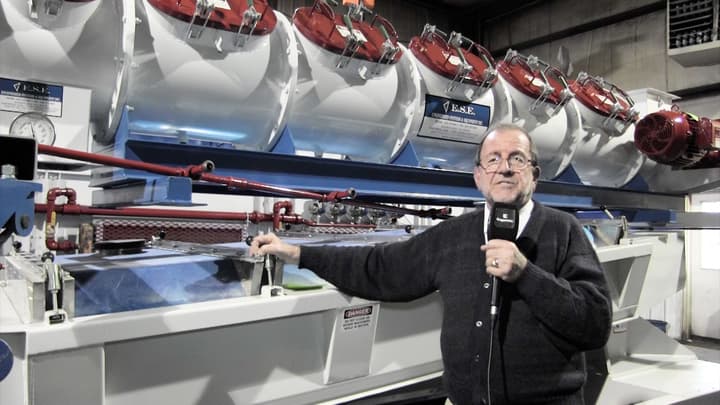
Engineer Josef Barbi, President of E.S.E. & Intec, presents a fully jacketed stainless-steel thermal conditioner, enabling full pre-cooking before extrusion. ...
Comments : 1
Recommendations: 0


Eng Josef Barbi, President of ESE & INTEC introduces Dr. Osama El-Gayar, veterinarian and founder of Taba Medical Farm, who shares insights on evaluating and transferring advanced technologies for animal production. The discussion highlights feed additives, pharmaceutical solutions, processing equipment, turnkey projects, and the value of long-term technical partnerships for sustainable growth across diverse markets.
...
Comments : 0
Recommendations: 0
AI in Animal Nutrition: Data-Driven Decision-Making Processes
Suggested link

DESCRIPTION OF PROBLEM Soybean meal is the most commonly used oilseed meal in United States poultry diets. Soybeans are primarily grown for their oil content and a by-product of the oil extraction process is defatted soybean meal. Soybean meal is often referred to as the “Gold Standard” of protein ingredients used for poultry because it contains a high amount of protein, e.g., 44 to 49 % CP, and an amino acid profile that is complementary to that of corn and other cereal...
Comments : 0
Recommendations: 1



Garros Fontinhas, Global Category Manager for Feed Digestibility Portfolio at Adisseo, explains how decades of enzyme innovation, the Feedase holistic approach, and targeted solutions enhance nutrient release, sustainability, and gut health in animal production. ...
Comments : 0
Recommendations: 1
.jpg&w=3840&q=75)
The Netherlands, which are among the leading agricultural export nations, have been struggling for decades with a self-inflicted environmental problem: eutrophication caused by manure surpluses. The high livestock density in a limited area results in annual amounts of plant-available nutrients such as nitrogen (N) and phosphorus (P) that far exceed what domestic soils can absorb. The result is pollution of surface waters and groundwater, forcing authorities to implement stricter...
Comments : 0
Recommendations: 0

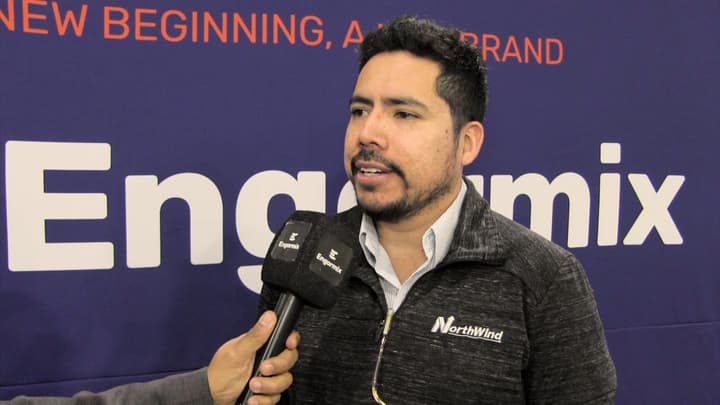
Aldo Martínez, Account Manager at Northwind (Kansas), analyzes the application of artificial intelligence in the formulation and optimization of processes within the animal feed industry—topics he will be presenting at FIGAP 2026, taking place in Guadalajara, Mexico, from October 21–23. ...
Comments : 0
Recommendations: 0


Dana Nelson (Famsun) shares insights now shaping next-generation extrusion solutions at Samsung. The focus: advanced extrusion technology that enhances cooking energy control, product consistency, hygiene, and operational efficiency, set to be presented at FIGAP 2026, taking place in Guadalajara, Mexico, from October 21–23. ...
Comments : 0
Recommendations: 0


Giuseppe Bigliani, International Account Executive at AGI, invites the technical community to attend FIGAP in Guadalajara, where he will present a preview of the Production School’s curriculum. In his keynote lecture, he will offer a comparative analysis of storing non-flowing ingredients in silos versus flat warehouses, evaluating technical specifications, advantages, limitations, and the operational risks associated with each system. This practical approach aims to optimize handling,...
Comments : 0
Recommendations: 0
Utilization of Food Waste Ingredients for Feed
Suggested link
Smart Agriculture and Livestock: A Data-Driven Revolution Artificial Intelligence (AI) is transforming operational decision-making by providing predictive analytics based on vast volumes of data. Technologies such as IoT sensors, drones, satellites, and thermal cameras are already generating...
Comments : 0
Recommendations: 1


Dr. Pradeep Krishnan explains Evonik positions itself as a trusted value partner, delivering products, services, and concepts that strengthen sustainable outcomes for producers. Through precision nutrition, the company improves protein and energy efficiency, boosting performance while lowering environmental impact. ...
Comments : 0
Recommendations: 1
AI in Animal Nutrition: Data-Driven Decision-Making Processes
Suggested link


Jana Brackenridge (Adisseo) explains how precision nutrition tools, NIR technology, and digestibility testing help poultry producers reduce feed costs, improve efficiency, and maintain bird performance with greater confidence. ...
Comments : 0
Recommendations: 1



Mike Persia (Virginia Tech) explains the performance benefits of supplementing direct-fed microbials to laying hens, as observed in his research, in this Engormix interview at IPPE 2026 in Atlanta. ...
Comments : 0
Recommendations: 0