Check out what is new in Dairy Cattle
Find the best technical articles, forums, and videos on Dairy Cattle at Engormix. Enter now and interact with the world's largest agricultural social network.



This discussion explores the concept of limiting amino acids in dairy cow diets and how precision nutrition strategies can improve milk yield and nitrogen efficiency. ...
Comments : 0
Recommendations: 0



Stefano Vandoni (Balchem) highlights how a new precision release lysine technology helps nutritionists and producers manage performance, feed costs, and ration variability. ...
Comments : 0
Recommendations: 0


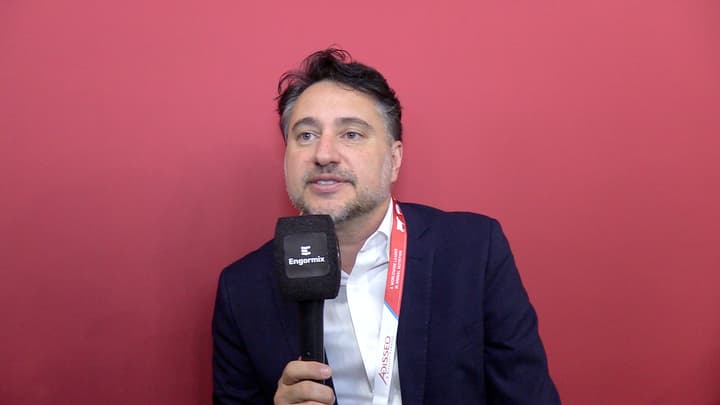
Fabiano Favarin, Global Business Director – Vitamins at Adisseo, discusses ongoing investment in vitamin technology, highlighting improvements in physical characteristics, reduced dust generation, enhanced premix homogeneity, workplace safety benefits, and the operational and economic impact of optimized vitamin handling. ...
Comments : 0
Recommendations: 0
Featured comment:

@Jim Neawedde You bring up an important point regarding electrical quality. At HATO, we address this by using a 48V platform that transforms the electrical power supply into a flicker-free, noise-free lighting system....
Comments : 8
Recommendations: 2
Featured users in Dairy Cattle




Featured comment:
@Carlos Andrés Toro Good point—and 48V DC definitely helps with installation, safety, and maintenance. But the weak link is still the power conversion. LED drivers are non-linear loads, so they inject harmonics back into the system. That’s where total harmonic distortion (THD%) becomes the real metric to watch. The example I mentioned (three faulty drivers driving ~900 mV) was a rare failure case—but it proves the point that little things matter. And lighting is...
Comments : 8
Recommendations: 2

Experts explain why forage amino acid profiles are relatively stable, how microbial protein influences amino acid supply, and why diet formulation should focus on balancing key protein sources for optimal dairy cow performance. ...
Comments : 0
Recommendations: 0


Stefano Vandoni (Balchem) points out the importance of encapsulation for delivering key nutrients to dairy cows ...
Comments : 0
Recommendations: 0
In the current context of heightened geopolitical tensions and ongoing disruptions to global supply chains, Adisseo announces an upcoming worldwide price adjustment for its SmartLine range of rumen-protected methionine products, effective May 1.
SmartLine products are recognized worldwide for their consistent quality, robust performance, and proven return on investment in dairy farms. Nevertheless, over recent months, Adisseo has faced sustained increases across...
Comments : 0
Recommendations: 0
.jpg&w=3840&q=75)

We are sciencing the global food challenge - Because it's all about life | Evonik
Suggested link

Efficient grain and forage management has become a critical factor for profitability and sustainability in the agro-industrial and livestock sectors. Climate variability, post harvest losses, and input cost volatility are forcing companies to adopt precision technologies . In this context, smart sensors...
Comments : 0
Recommendations: 0
Adisseo updated its Microvit ® Nutrition Guide, reenforcing its commitment on vitamin nutrition close to feed producers. Producing vitamins for over 70 years and always focused on supporting the feed industry for improved animal...
Comments : 0
Recommendations: 1
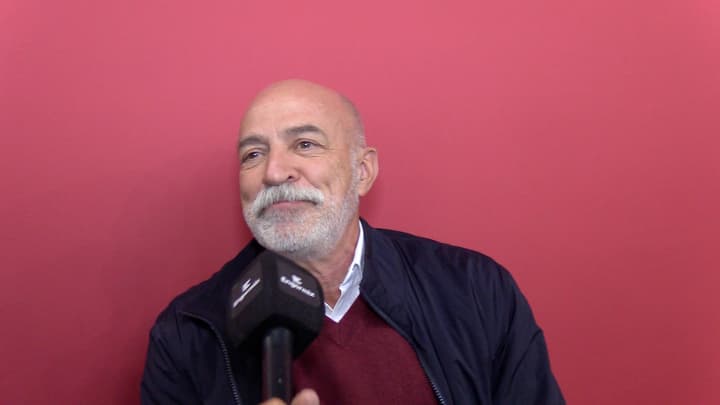
Updated Vitamin Requirements Across Species: Microvit® Nutrition Guide
Suggested link
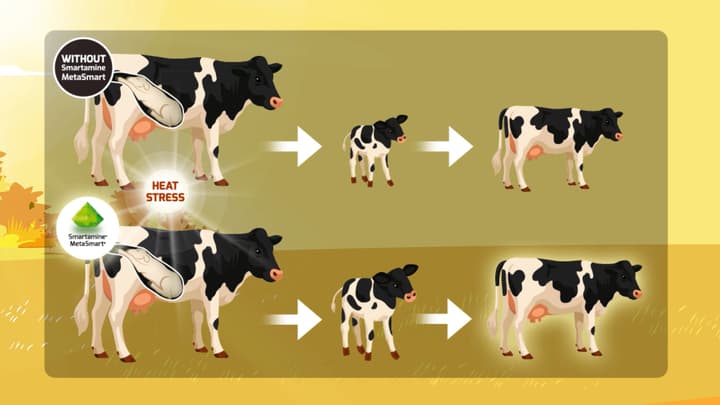
Heat stress in dairy cows reduces milk production and health, and in pregnant cows it can affect not only the next lactation but also the next two generations. Nutritional solutions from Adisseo help maintain milk performance, support cow health, and improve the long-term productivity of future herds. ...
Comments : 0
Recommendations: 2
Featured comment:
Carlos, Alfredo—great discussion, and I agree this is an area that doesn’t get nearly enough attention at the farm or technical level. One aspect that’s often overlooked in lighting conversations is the electrical quality of the lighting system itself. LED fixtures are non-linear loads, and depending on driver design, they can introduce electrical noise into the farm environment. We were recently on a site where just three faulty LED drivers increased stray voltage levels...
Comments : 8
Recommendations: 2

FIGAP 2026: The Scientific And Technological Exhibition Of The Livestock Industry
Suggested link
Due to genetic selection for specific production-related traits, genetic progress in dairy cattle, particularly Holsteins, has accelerated greatly. Advances in genomics have dramatically increased the potential for milk fat and protein yields (Figures 1 and 2). Today’s cows are genetically capable of producing levels of components that would have been considered impossible just a decade ago. However, fully reaching that potential now depends highly on more precise nutrition. As...
Comments : 0
Recommendations: 0
Featured comment:
Alfredo, you are exactly right. Lighting is not being frequently discussed at farm level. That's why we at HATO are talking about the importance of light and about the way we can modify animal behavior with the use of light. Through our proprietary development, RUDAX, we can influence animal behavior at a hormonal level. When other factors such as feed, air quality, genetics, and cleanliness are well managed, this can result in increased milk production. ...
Comments : 8
Recommendations: 2


This video explores the evolving understanding of amino acid nutrition in modern high-producing dairy cows, The discussion also addresses nitrogen efficiency, emphasizing the importance of precision feeding strategies to reduce nitrogen excretion, improve environmental sustainability, and maintain high productivity in dairy systems. ...
Comments : 0
Recommendations: 0
Featured comment:
Thank you, Carlos Alejandro, for your valuable input. You raise an important point: lighting is often an underappreciated factor in dairy production, yet it has a direct impact on animal behavior, feed intake, and milk yield. Aligning lighting programs with the physiological needs of the animals can significantly enhance both productivity and welfare. In today’s environment, where efficiency and sustainability are critical, precision lighting offers a compelling...
Comments : 8
Recommendations: 2
.jpg&w=3840&q=75)


Cristabel Huerta (Hato Lighting) speaks about the effects of light on milk drop in winter ...
Comments : 0
Recommendations: 2
Featured comment:


I agree to cool cows before parturition and throughout lactation, which is the key challenges process of milk production by increasing cows' “peak” in early lactation, prolonging persistency of lactation through mid and late lactation. During prolonging expose to high ambient temperature would involve many bodily alterations, including hormonal changes, body metabolism, feed intake, and mammary functions. These factors would be elucidated for the dairy farmer. ...
Comments : 1
Recommendations: 0

A cow’s biology and genetics set the stage for her milk production potential. Thanks to genomics, the pace of genetic progress has accelerated in recent years, pushing that potential ever higher. But are we feeding cows to match it? Today’s dairy cows can achieve more with better nutrition, yet their ability to physically consume enough nutrients lags behind their rising requirements. ...
Comments : 1
Recommendations: 0
Introduction : Choline is essentially a required nutrient for all dairy cows, with proven benefits on metabolic health, milk production, colostrum yield, and calf vitality. It offers a proven solution to help cows transition smoothly and boost productivity. Discover how this innovation benefits both herds and profitability. The Power of ReaShure®-XC Precision Release Choline - Choline has long been recognized as a critical nutrient for dairy cows, particularly...
Comments : 0
Recommendations: 0